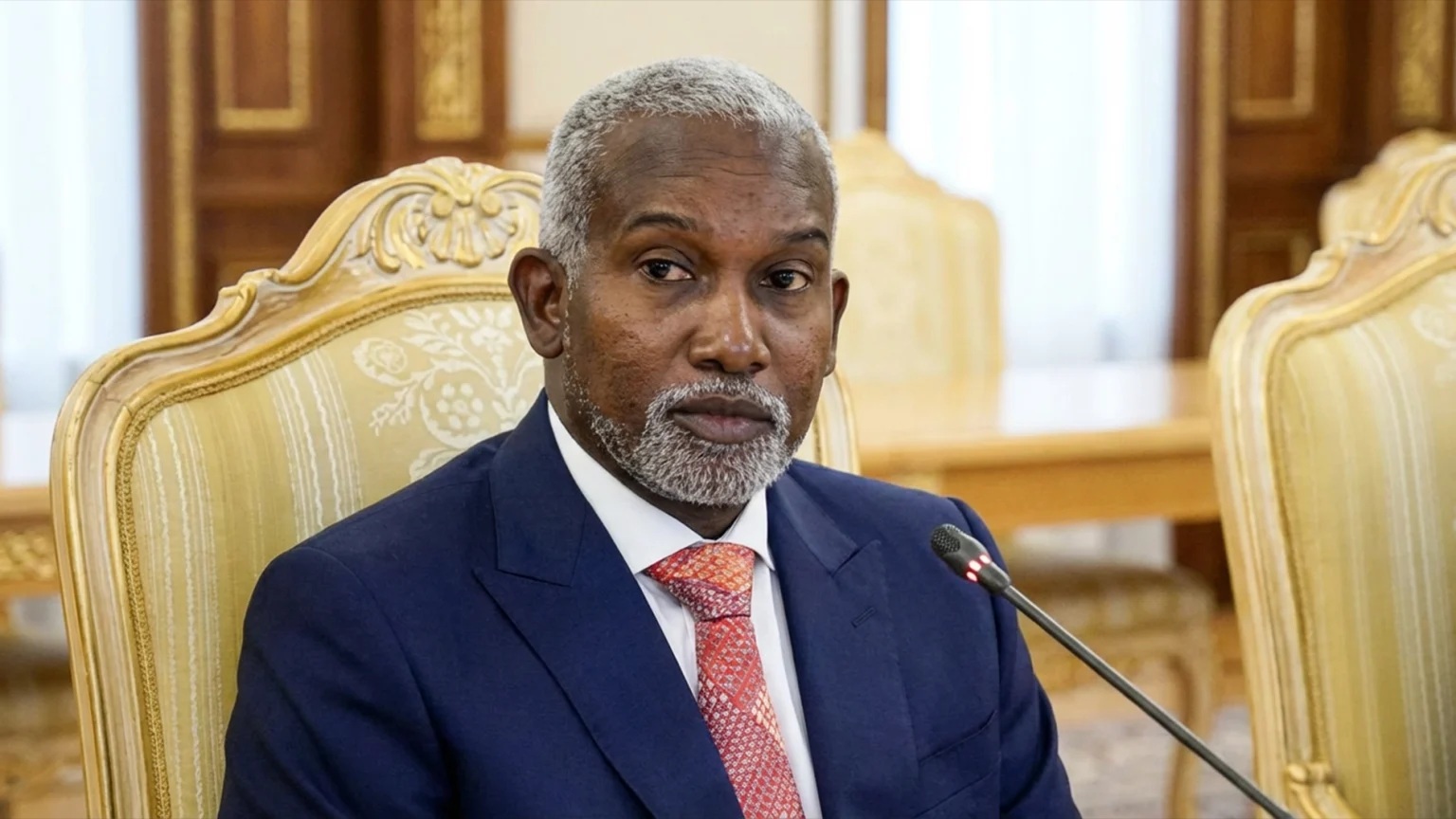
Abuja (Reuters + Diplomat.so) - Nigeria's Foreign Minister Yusuf Tuggar told Reuters on Thursday that Gulf oil and gas producers should view Nigeria as a strategic partner rather than a competitor, as escalating conflict in Iran threatens global energy supply chains.
Tuggar stressed that collaboration with Nigeria could provide Gulf nations with alternative crude and gas sources during periods of geopolitical instability.
The minister highlighted disruptions in the Strait of Hormuz, through which nearly 20% of the world’s oil transits, noting that ongoing hostilities have forced exporters to halt shipments, triggering price volatility in international markets. "It’s in line with what we’ve always advocated – that countries which might otherwise consider us competitors should partner with us and invest so they can diversify their market share, working with us,” he said.
Nigeria, long constrained by underinvestment, pipeline vandalism, and crude theft, has increased production to roughly 1.7 million barrels per day, up from 1.4 million in 2023 when President Bola Tinubu assumed office. Tuggar said new capital injections into exploration and pipeline infrastructure could further boost output, creating additional export capacity for regional and global markets.
Some analysts suggest that US and Israeli strikes on Iran, combined with Tehran’s retaliatory attacks on Gulf states, may either delay foreign investment in African energy or accelerate it as countries seek to diversify supply chains. "It could make them want to work with countries like Nigeria that are rich in gas and oil … to diversify market share for the benefit of both countries, or they could hold back,” Tuggar explained.
Nigeria’s recent trade agreements reinforce this strategy. In January, the country signed the Comprehensive Economic Partnership Agreement with the United Arab Emirates, designed to unlock trade and investment flows. Qatar-linked investors have also expressed interest in funding Nigerian gas projects, although project timelines remain uncertain.
Energy experts say Nigeria’s vast untapped reserves could be key to stabilizing regional energy markets.
Beyond immediate supply concerns, Tuggar emphasized that stronger cooperation could also foster technology transfer and workforce development in Nigeria’s energy sector, creating long-term economic benefits. He concluded, "This is not just about filling gaps in supply; it’s about building sustainable partnerships that strengthen both our economies and regional energy security.”