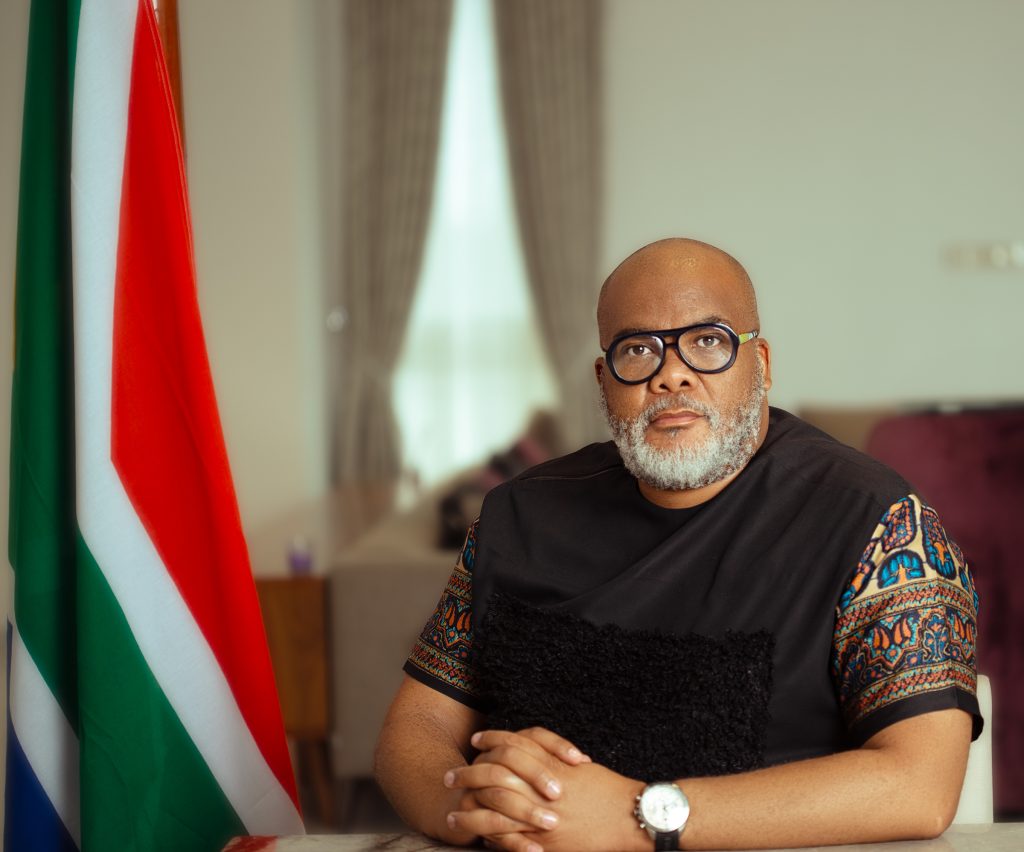
Abuja (Diplomat.so) - Nigeria's Ministry of Foreign Affairs has summoned South Africa's Acting High Commissioner to Nigeria, Bobby Moroe, for talks in Abuja on Sunday, following reported attacks on Nigerians and other foreign nationals, in a move signaling rising diplomatic concern over the safety of its citizens abroad.
The Nigerian government said the diplomatic meeting aims to address growing concerns about the safety of its citizens in South Africa, following renewed incidents of xenophobic violence and protests in several areas. The summons was confirmed in an official statement issued by ministry spokesperson Kimiebi Imomotimi Ebienfa, who cited "documented instances of mistreatment of Nigerian citizens and attacks on their businesses.”
Diplomatic Engagement
According to the statement, discussions during the meeting focused on recent protests, reported harassment of foreign nationals, including Nigerians and citizens of other African countries, and the broader implications for bilateral relations between the two countries, with officials indicating that the engagement was intended to seek assurances from South African authorities and reinforce diplomatic channels.
"The Ministry is aware of the growing discontent among Nigerians concerning the treatment of their nationals in South Africa,” Ebienfa said. "The Federal Government remains committed to protecting the rights and well-being of Nigerian citizens residing abroad.”
Nigeria’s Minister of Foreign Affairs, Ambassador Bianca Odumegwu-Ojukwu, has been briefed on the developments and is expected to oversee the outcome of the discussions, according to ministry officials.
Reports of Violence and Casualties
The diplomatic move follows recent incidents involving Nigerian nationals. Nigerian authorities have confirmed that two citizens, identified as Amaramiro Emmanuel and Ekpenyong Andrew, died in separate circumstances linked to rising tensions.
Emmanuel reportedly succumbed to injuries after an alleged assault on April 20, while Andrew was arrested on April 19 in Pretoria and later found dead at a mortuary. Nigerian consular officials in Johannesburg have since engaged South African authorities to seek clarification and accountability.
A Nigerian community representative in Johannesburg, who spoke to Diplomat News Network, described an atmosphere of fear. "Many people are staying indoors, especially in areas where protests have been reported. Businesses are closing early, and movement is limited,” he said.
On-the-Ground Conditions
Residents in affected neighborhoods reported intermittent demonstrations, with small groups gathering near commercial areas. Some shops owned by foreign nationals remained shuttered over the weekend, and security patrols were visible in parts of Pretoria and KwaZulu-Natal.
A local shop owner, who requested partial anonymity due to safety concerns, said: "There is uncertainty. People are worried about sudden attacks or looting. Even those with legal status feel targeted.”
South African authorities have acknowledged the incidents. Acting Police Minister Firoz Cachalia stated last week that attacks on foreign nationals were "unlawful” and contrary to constitutional values. "Police have been instructed to act decisively and without hesitation,” he said in a public statement.
Regional Context and Broader Concerns
South Africa hosts more than three million foreign nationals, accounting for approximately 5.1 percent of its population, according to official statistics. A significant proportion originates from neighboring countries within the Southern African Development Community (SADC).
The country has experienced periodic outbreaks of xenophobic violence, often linked to economic pressures, including an unemployment rate exceeding 30 percent. Analysts say these conditions can fuel tensions between local communities and migrant populations.
The issue has also drawn regional attention. Ghana recently summoned South Africa’s acting high commissioner following separate incidents involving Ghanaian nationals. Ghana’s foreign minister cited escalating tensions and advised citizens to exercise caution.
Diplomatic and Economic Implications
Observers note that Nigeria and South Africa maintain one of Africa’s most significant bilateral relationships, spanning trade, investment, and political cooperation. Any deterioration in relations could have wider implications for regional stability and economic collaboration.
A Lagos-based foreign policy analyst, Yetunde Oladipo, told Diplomat News Network that sustained dialogue is critical. "Both countries play leading roles on the continent. Managing this issue through diplomacy is essential to prevent escalation and protect citizens on both sides,” he said.
Continuing Engagement
Nigerian officials said the meeting formed part of continued diplomatic efforts aimed at addressing the situation in a constructive manner. They also urged citizens to remain calm as discussions between both sides progressed.
The talks informed immediate responses, including possible security assurances and steps to address grievances raised by affected communities.