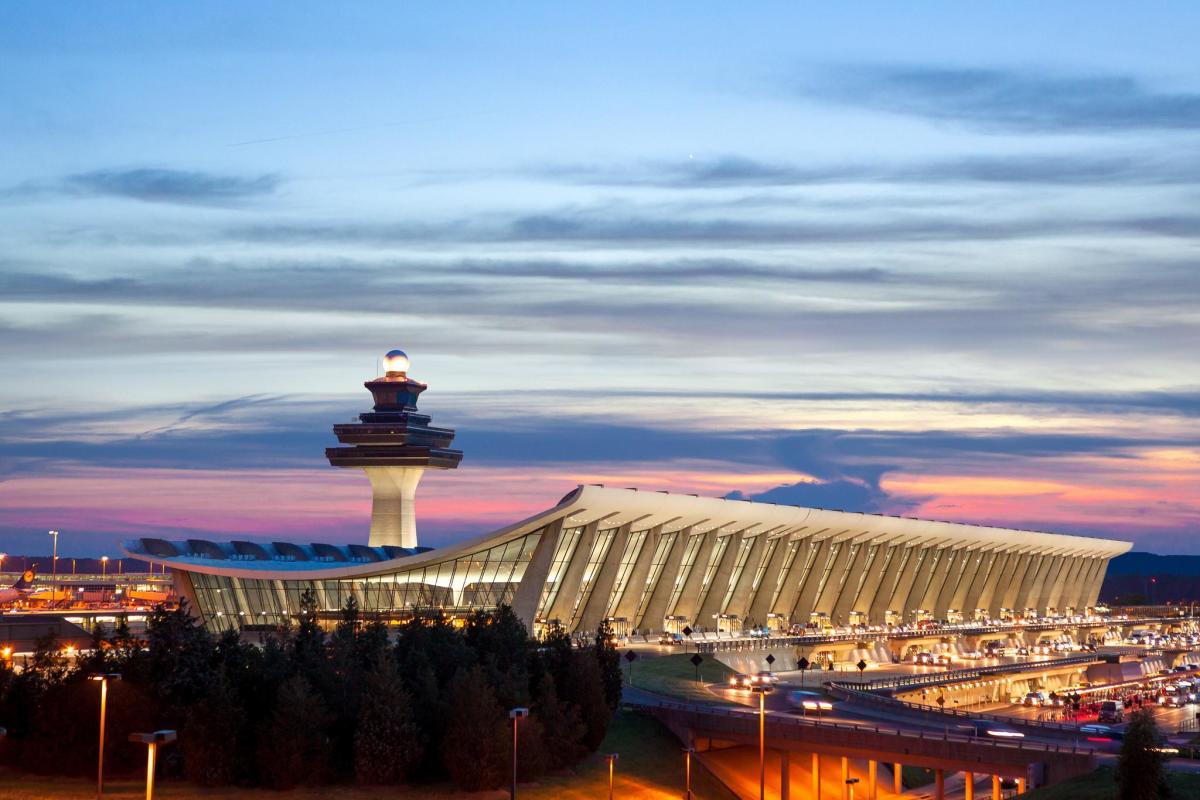
Washington, D.C. (Diplomat.so) – The US Centers for Disease Control and Prevention (CDC) and the Department of Homeland Security's Customs and Border Protection (CBP) said Thursday, May 21, that US citizens and lawful permanent residents who have been in the Democratic Republic of the Congo, Uganda, or South Sudan within 21 days must enter through Washington Dulles International Airport for enhanced Ebola screening.
Federal officials said the measure centralises incoming travellers linked to the affected region at a single entry point to allow coordinated medical screening, including symptom checks and public health assessments conducted jointly by CDC and CBP personnel.
Authorities warned that passengers may experience delays, itinerary changes, and rebookings as airlines adjust routing in response to the requirement. Some travellers departing from East Africa reported extended airport processing times as carriers updated compliance procedures.
The World Health Organization (WHO) said 51 confirmed Ebola cases have been recorded in the Democratic Republic of the Congo, mainly in Ituri and North Kivu provinces, with additional infections reported in Uganda’s capital, Kampala.
The outbreak involves the Bundibugyo strain, a virus variant associated with a fatality rate estimated between 25% and 40%, and transmitted through direct contact with infected bodily fluids.
The Africa Centres for Disease Control and Prevention (Africa CDC) warned against broad travel restrictions. The agency stated that "generalised travel restrictions and border closures are not the solution to outbreaks,” arguing such measures risk increasing public health vulnerabilities and disrupting humanitarian operations.
Dr Githinji Gitahi, Chief Executive Officer of Amref Health Africa, said in comments shared through Diplomat News Network that "travel bans don’t stop viruses, they stop solidarity,” adding that response efforts should prioritise strengthening outbreak control systems within affected countries rather than limiting movement.
Uganda’s Information Minister Chris Baryomunsi described the US measures as "overreacting,” stating that national health authorities have longstanding experience managing Ebola outbreaks.
Regional travel disruptions have already been reported, including a diverted flight to Canada after a traveller from the DRC was identified onboard, alongside delays affecting international sporting logistics linked to the DRC national football team.
The WHO has classified the outbreak as a public health emergency of international concern, citing continued transmission and approximately 139 deaths alongside nearly 600 suspected cases.
Health experts note there is currently no licensed vaccine or specific antiviral treatment for the Bundibugyo strain, increasing reliance on containment and surveillance measures.
Public health analysts say the US entry requirement highlights tensions between domestic border protection policies and international outbreak response coordination.
African health institutions continue to argue that restrictive mobility measures may complicate surveillance systems and reduce transparency as countries manage evolving case loads across Central and East Africa.