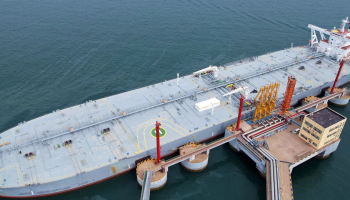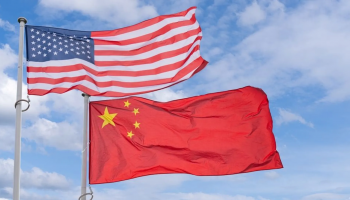
Canberra (Diplomat.so) - Australian Prime Minister Anthony Albanese announced on Tuesday, May 19, in Canberra, that Australia will import three shipments of jet fuel from China totaling 600,000 barrels to strengthen reserves.
The announcement comes amid escalating energy market volatility following disruptions in the Middle East and the reported closure risks surrounding the Strait of Hormuz, which have pushed global jet fuel prices higher and tightened supply chains across Asia-Pacific aviation markets.
Albanese said the agreement to secure 600,000 barrels of jet fuel reflects efforts to stabilize domestic aviation supply, while Chinese officials indicated the shipments were part of broader energy cooperation discussions held during recent bilateral talks with Prime Minister Li Qiang.
According to operational planning outlined by transport authorities, the three shipments are expected to arrive in June, with aviation logistics firms preparing for increased handling capacity at major fuel terminals serving international airports.
Australia-China trade relations remain deeply interconnected, with total bilateral trade reaching 326 billion Australian dollars (233 billion US dollars) last year, driven by iron ore, coal, and liquefied natural gas exports alongside Chinese refined energy imports.
The development coincides with upcoming diplomatic engagement between Australian Trade Minister Don Farrell and Chinese Commerce Minister Wang Wentao in Suzhou during an Asia-Pacific Economic Cooperation trade meeting, where energy security and supply diversification are expected to feature prominently.
Speaking to Diplomat News Network, an Australian government energy adviser said the additional imports are intended to reinforce short-term fuel resilience as global supply chains face uncertainty, adding that policymakers are closely monitoring aviation demand growth.
Prime Minister Anthony Albanese said the government’s priority remains securing stable fuel supplies for critical transport sectors, while a regional energy analyst noted that diversification of suppliers is becoming increasingly important for Asia-Pacific economies exposed to maritime route disruptions.
Analysts say the move underscores Australia's exposure to external energy shocks despite being a major exporter of hydrocarbons, highlighting the strategic importance of refining capacity and diversified import routes for aviation fuel security. The agreement also reflects ongoing recalibration in Australia-China economic relations, where trade interdependence persists alongside diplomatic sensitivities. Increased jet fuel availability is expected to stabilize operational costs for airlines and logistics operators, particularly across tourism and freight sectors that depend heavily on air transport.
Market observers note that sustained cooperation on energy supply may help reduce short-term price volatility, although longer-term stability will depend on broader geopolitical developments affecting maritime security and global oil flows.