Nairobi (Diplomat.so) – Kenya Interior Ministry officials said nationwide transport disruptions continued for a second day on Tuesday, May 19, across Kenya after negotiations with transport stakeholders collapsed over fuel price protests triggered by recent fuel price increases.
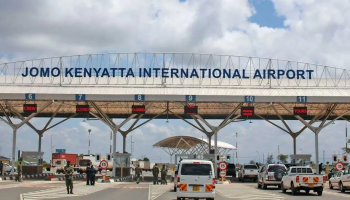
The ministry confirmed that the breakdown in talks late Monday extended the paralysis of public transport systems into Tuesday, with major roads in Nairobi, Mombasa, and other urban centres reporting reduced vehicle flow, longer commuter waiting times, and intermittent service cancellations. Authorities said security operations were ongoing to reopen key transport corridors and restore normal movement.
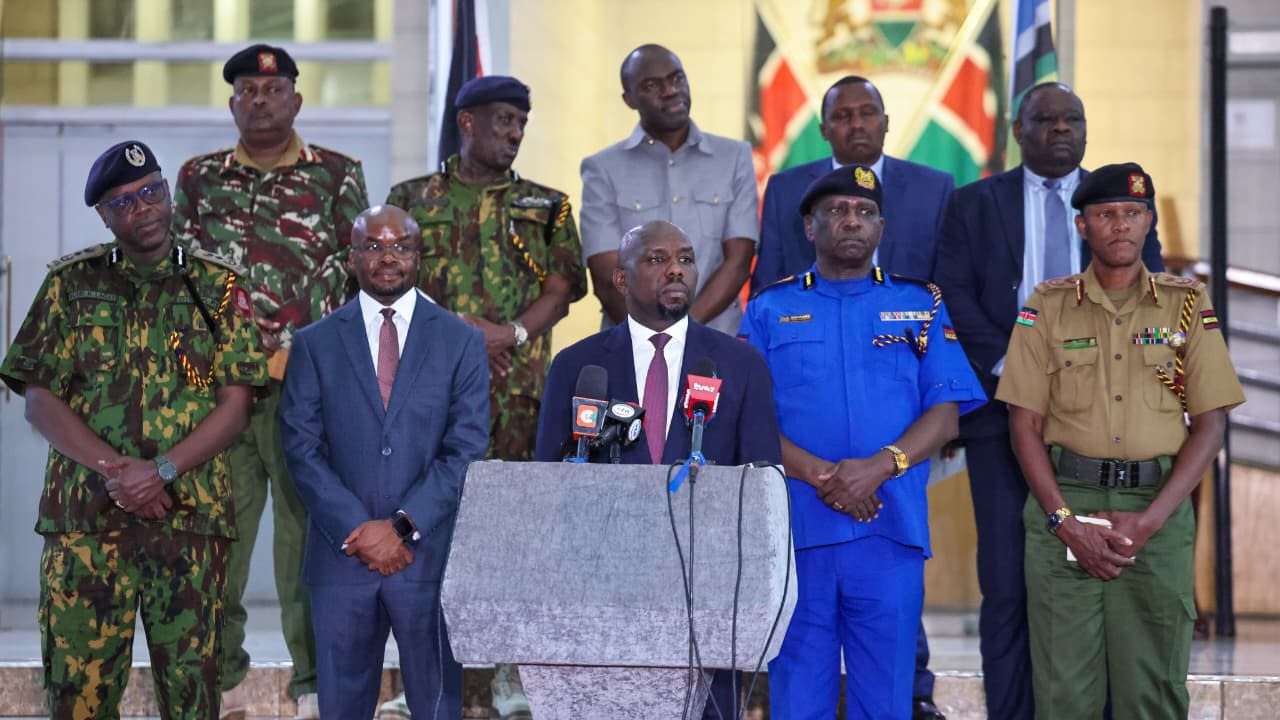
Interior Cabinet Secretary Kipchumba Murkomen said four people were killed and more than 30 injured during Monday’s demonstrations, adding that police had arrested 348 individuals. "It’s unfortunate that we lost four Kenyans in today’s violence, which also saw more than 30 people injured,” Murkomen said, warning that "criminal elements” had infiltrated protests and targeted property.
Deputy President Kithure Kindiki urged restraint, describing the situation as part of broader global fuel market pressures linked to geopolitical instability. Speaking at a consultative forum in Tharaka-Nithi County, he said fuel prices had previously been reduced from Sh218 per litre (USD 1.68) to Sh171 per litre (USD 1.32) before recent global disruptions intensified. "We are doing everything possible to cushion Kenyans from the effects of high fuel costs and will continue to do more,” he said.
Kindiki also confirmed that the government had used Sh12 billion (USD 92.46 million) from the Stabilisation Fund to mitigate price shocks, while noting that VAT on petroleum products had been reduced from 16 percent to 8 percent. He further stated that the National Infrastructure Fund holds Sh350 billion (USD 2.70 billion) for long-term development projects, including energy and water infrastructure.
Treasury Cabinet Secretary John Mbadi dismissed claims linking the International Monetary Fund to fuel price increases, stating the institution only provides advisory support. "The IMF does not dictate specific tax measures to the government,” he said.
Security and transport officials said the continued disruption reflected both economic pressure and public frustration over rising living costs. Diplomat News Network reporting from Nairobi indicated that commuter activity remained uneven into Tuesday morning, with matatu operators reducing trips due to uncertainty over fuel availability and safety concerns.
Analysts note that Kenya’s dependence on imported fuel has left it vulnerable to global supply shocks, including disruptions in key shipping routes. The second day of transport paralysis underscores growing tensions between fiscal policy adjustments and public response, with authorities expected to continue stakeholder consultations to stabilize services and prevent further escalation.