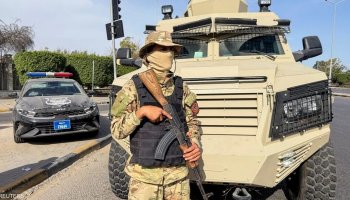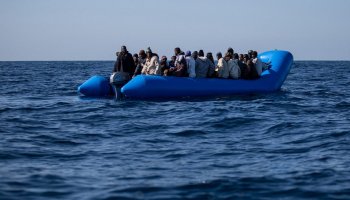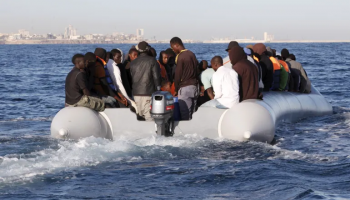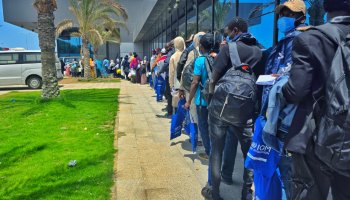
Tripoli (Diplomat.so) - International Organization for Migration (IOM) reported that 741 migrants were intercepted and returned by Libyan authorities across Mediterranean operations between May 10 and May 16, 2026 on Sunday May 18.
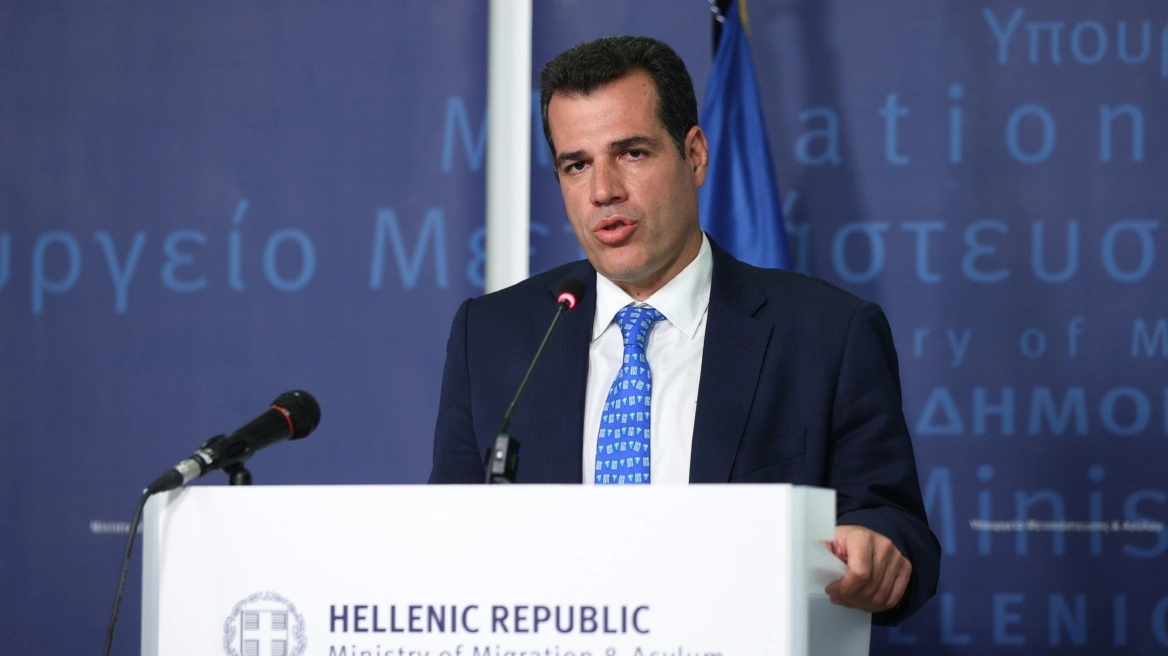
Greek Migration Minister Thanos Plevris, speaking on Greek television on Sunday, stated that more than 550,000 migrants and refugees are currently waiting in Libya for an opportunity to reach Europe, while citing cooperation with Frontex and Libyan authorities to monitor smuggling networks and prevent departures during a televised interview, adding that maritime surveillance cooperation is being intensified along Libya’s western coastline and that intelligence sharing with EU partners has increased in recent weeks.
According to data from the International Organization for Migration, according to Diplomat News Network reporting, Libyan authorities intercepted and returned 6,811 migrants since the beginning of 2026, while the European Border and Coast Guard Agency Frontex reported a 39 percent decline in irregular crossings into the European Union during the first quarter compared with the same period in 2025. This figure reflects ongoing coastal and desert interception operations carried out by multiple Libyan security formations amid continued reports of dangerous sea departures and limited humanitarian monitoring capacity.
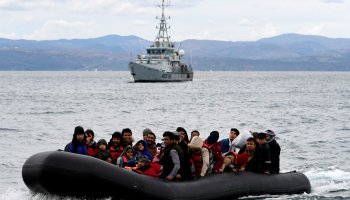
Greek coast guard officials said they rescued 125 migrants from two vessels off the southern coast of Crete on Sunday, while separately a small boat carrying 40 migrants from Africa reached Gavdos island and passengers were transferred to a reception centre in Chania, according to local reports. Officials described calm sea conditions and increased vessel activity, noting that reception centres in Crete were experiencing steady intake flows as authorities maintained heightened patrols across southern maritime routes.
Libya has remained a primary departure point for irregular migration across the central Mediterranean since the 2011 political collapse, with networks of smugglers operating along coastal and desert routes despite periodic interdiction efforts and cooperation initiatives involving European agencies and Libyan security institutions. European Union border coordination mechanisms continue to engage with Libyan counterparts through training and technical support initiatives aimed at managing migration flows and addressing security challenges along transit corridors.
The developments underscore continued pressure on Mediterranean migration routes, shaping diplomatic coordination between Greece, Libya and European agencies, while raising concerns among humanitarian actors about interception practices and the safety risks faced by migrants undertaking sea crossings. Regional analysts note that fluctuations in departure patterns remain closely tied to political stability in Libya and enforcement capacity along Mediterranean routes.