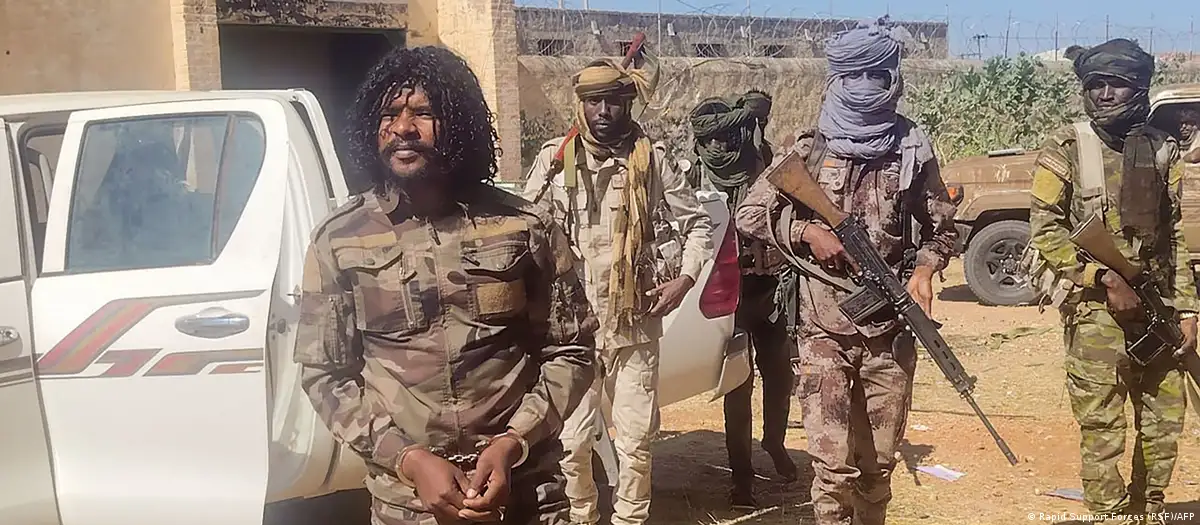
Khartoum (Reuters + Diplomat.so) - Sudan's Rapid Support Forces (RSF) Brigadier General al-Fateh Abdullah Idris, known as Abu Lulu, reportedly returned to active combat in Kordofan, Sudan in March 2026 after being released from prison late 2025, according to multiple sources speaking to Reuters and cited in Diplomat News Network reporting context.
Multiple individuals with knowledge of RSF field operations, including intelligence officials and commanders, said Abu Lulu was observed operating with RSF units during ongoing clashes in the Kordofan region.
The sources described renewed battlefield activity involving senior RSF personnel as fighting intensified between Sudan’s military and the paramilitary force across central Sudan. Reuters said it spoke with 13 sources in total, including RSF-linked personnel and regional security contacts, who claimed awareness of his release or subsequent deployment.
An RSF spokesman rejected the allegations in written responses, insisting the commander remained in detention pending legal proceedings. "The talk about Abu Lulu being released is untrue, malicious, and completely false,” the statement said.
The spokesman further added, "Abu Lulu and the others accused of violations during the liberation of al-Fashir have been in detention since their arrest and have never left prison.” A Chadian military officer familiar with RSF command dynamics told Reuters that some field commanders had advocated for Abu Lulu’s return to improve morale amid heavy battlefield losses, though no formal confirmation was provided.
Abu Lulu was detained in late October 2025 following international outrage over video footage allegedly showing executions of unarmed civilians during RSF’s takeover of Al Fasher in North Darfur. The city’s capture was accompanied by reports of mass killings and widespread displacement. United Nations sanctions later designated him for alleged human rights violations linked to the incident, while independent UN investigations cited large-scale civilian deaths during the offensive.
The broader conflict between Sudan’s armed forces and the RSF, now in its third year, has destabilized large parts of the country and created severe humanitarian conditions, with millions displaced and infrastructure heavily damaged. The Al Fasher events remain central to international scrutiny of the RSF’s conduct, particularly amid allegations of war crimes and potential crimes against humanity.
Diplomatic observers note that any confirmed return of a sanctioned commander to active combat could further strain already fragile mediation efforts and complicate accountability mechanisms under international law. Analysts tracking the conflict suggest such developments may signal internal RSF reliance on experienced but controversial battlefield figures to maintain operational cohesion during sustained military pressure.
Ongoing fighting across multiple frontlines in Sudan has raised continued questions over RSF command structures, detention transparency, and the credibility of internal disciplinary measures, while regional actors closely monitor the risk of further escalation in the coming months.