Tel Aviv (Diplomat.so) – The Israeli Defense Forces (IDF) struck and killed Hajj Youssef Ismail Hashim, commander of Hezbollah's Southern Front unit, in Beirut, Lebanon, on Wednesday, intensifying hostilities along the Israel-Lebanon frontier.
The IDF confirmed that its naval forces conducted a targeted strike on a building in Beirut, eliminating Hashim, who assumed command following the death of his predecessor, Ali Korki, in an Israeli strike in September 2024. According to the Israeli military, the Southern Front unit is "responsible for terrorist activities against Israeli civilians” and engages in combat operations targeting Israeli forces in southern Lebanon.
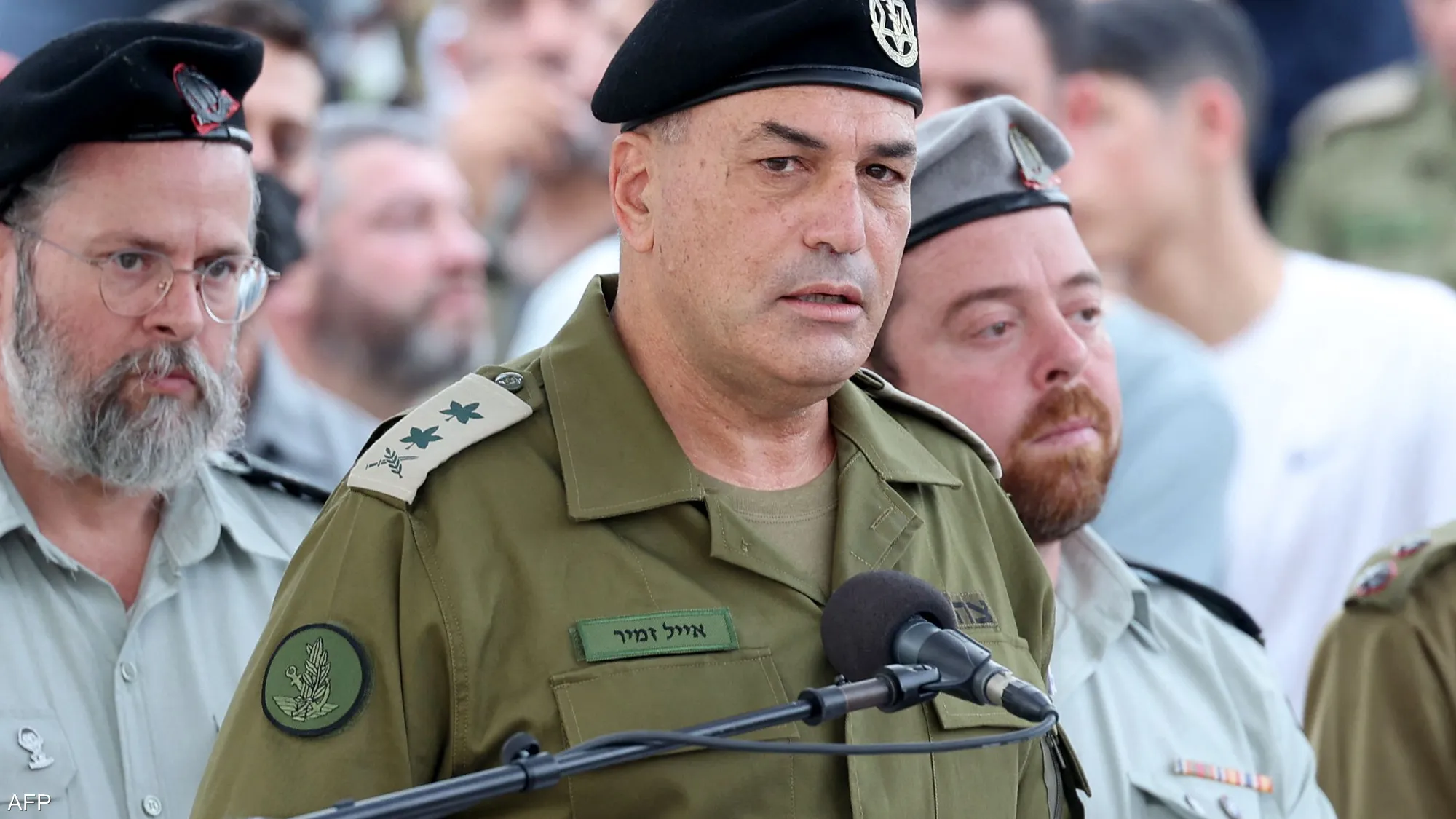
Israeli military spokespersons emphasized that the operation is part of a broader campaign against Hezbollah and Iranian-aligned networks, which Israel says have escalated attacks on its territory in recent weeks. "Our operations aim to degrade hostile capabilities and ensure security along our borders,” said Brigadier General Eyal Zamir, Chief of Staff of the Israeli Defense Forces, during a press briefing on Wednesday.
Rising Casualties and Escalation
Lebanese authorities reported that overnight Israeli airstrikes in Beirut killed at least nine people and injured 29, according to the Lebanese Ministry of Public Health. Ambulance services confirmed treating 19 additional casualties from cross-border rocket fire into Israel, including one in critical condition, two with moderate injuries, and 16 sustaining minor wounds.
Eyewitnesses in Beirut described the scene as chaotic, with emergency responders navigating damaged streets amid smoke and debris. "Buildings shook from the blasts, and people were rushing to shelters as ambulances moved quickly through the neighborhood,” said Elias Fakhri, a local resident.
In Israel, multiple rocket attacks, attributed to Iranian-backed groups and Hezbollah allies, have targeted central and northern regions. Officials reported 25 injuries from shrapnel in central Israel, alongside significant property damage following an interception of Iranian-launched rockets. Tel Aviv and surrounding areas experienced loud explosions and air raid sirens throughout Wednesday.
Israeli Military Operations and Drone Incident
The IDF also reported that an Israeli drone was shot down by a surface-to-air missile during operations in southern Lebanon overnight. While no sensitive data was compromised, the incident remains under investigation. Details regarding the drone’s type or mission were not disclosed.
Brig. Gen. Zamir described the campaign as part of Israel’s strategy to "systematically degrade Iran’s missile capabilities and command networks,” adding that Israel’s operations are aimed at securing a "better security reality” along its northern border. "We will continue to push Hezbollah away from our borders; operations will continue as necessary,” Zamir said.
Hezbollah and Regional Responses
Hezbollah’s military wing, the Islamic Resistance, claimed responsibility for firing rockets at the Israeli settlement of Kiryat Shmona for the fourth time, asserting that the attacks were in retaliation for Israeli strikes. The group did not provide casualty details.
On the diplomatic front, Lebanese Interior Minister Ahmad Al-Hajjar urged support for Lebanon’s sovereignty during an Arab Interior Ministers Council session, condemning Israeli aggressions. "Lebanon faces repeated violations of its territory, demanding regional and international backing for its sovereignty,” Al-Hajjar said.
Context and Background
The recent escalation follows a series of regional tensions, including U.S.-Israeli joint operations against Iranian targets and the subsequent launch of rockets from Hezbollah positions in Lebanon. The Southern Front unit, led previously by Ali Korki, has been implicated in multiple cross-border attacks over the past decade, according to intelligence assessments.
This wave of violence has drawn the broader Iran-backed Houthi movement from Yemen into the conflict, with a missile detected and intercepted targeting southern Israel on Wednesday. The group has not formally claimed responsibility, but analysts note the alignment with Tehran’s strategic objectives in the region.
Analytical Insight
Experts suggest that the targeted elimination of Hajj Hashim reflects Israel’s ongoing campaign to weaken Hezbollah’s command structure following losses of senior figures over the past 18 months. "By targeting leadership and operational nodes, Israel aims to reduce the operational reach of Hezbollah while sending a strategic message to Iran,” said Mireille Antoine, a Beirut-based security analyst.
The escalation signals a potential widening of regional hostilities, drawing in Iranian proxies and increasing risks of civilian casualties. Observers note that repeated cross-border strikes and counterattacks raise concerns over a prolonged cycle of retaliation that could destabilize northern Israel and southern Lebanon.
On-the-Ground Observations
Diplomat News Network correspondents in Beirut report that streets near the strike site remain cordoned off, with heavy military presence and emergency services actively engaged in rescue operations. Residents describe fear and uncertainty, with schools and businesses temporarily closed amid ongoing aerial monitoring and security sweeps.
Local authorities continue assessing structural damage from overnight strikes, while Israeli officials maintain that air and naval operations will persist until perceived threats along the border are neutralized.