Antananarivo (Diplomat.so) – The Government of Madagascar reinstated a nationwide state of energy emergency on Friday, July 18, citing renewed tensions in the Middle East that have increased uncertainty in global oil markets and raised concerns over fuel security for the import-dependent island nation.
The decree, announced in a communiqué issued by the Prime Minister's Office on Friday evening, authorizes emergency measures designed to secure petroleum imports, protect the continuity of essential public services, and reduce the potential economic impact of higher international fuel prices.
Officials said the move reflects growing concerns that continued geopolitical instability could disrupt supply chains and increase import costs for refined petroleum products.
"The exceptional measure will allow the government to take the necessary actions to secure fuel supplies, ensure the continuity of essential services, and mitigate the consequences of a possible increase in petroleum product prices on the national economy," the Prime Minister's Office said in its official statement.
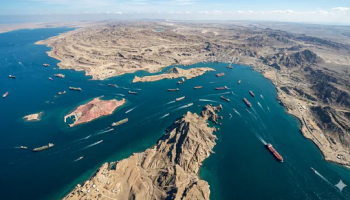
Government officials said Madagascar remains particularly vulnerable to fluctuations in global energy markets because nearly all of its refined petroleum products are imported. Oman continues to be one of the country's principal suppliers, making international shipping conditions and oil price movements critical factors for domestic fuel availability.
Diplomat News Network spoke with an energy economist familiar with Madagascar's fuel sector, who said the renewed emergency reflects the government's effort to preserve market stability rather than respond to an immediate domestic shortage. "The declaration provides authorities with greater flexibility to manage procurement and maintain strategic supplies if international market conditions deteriorate further," the analyst said.
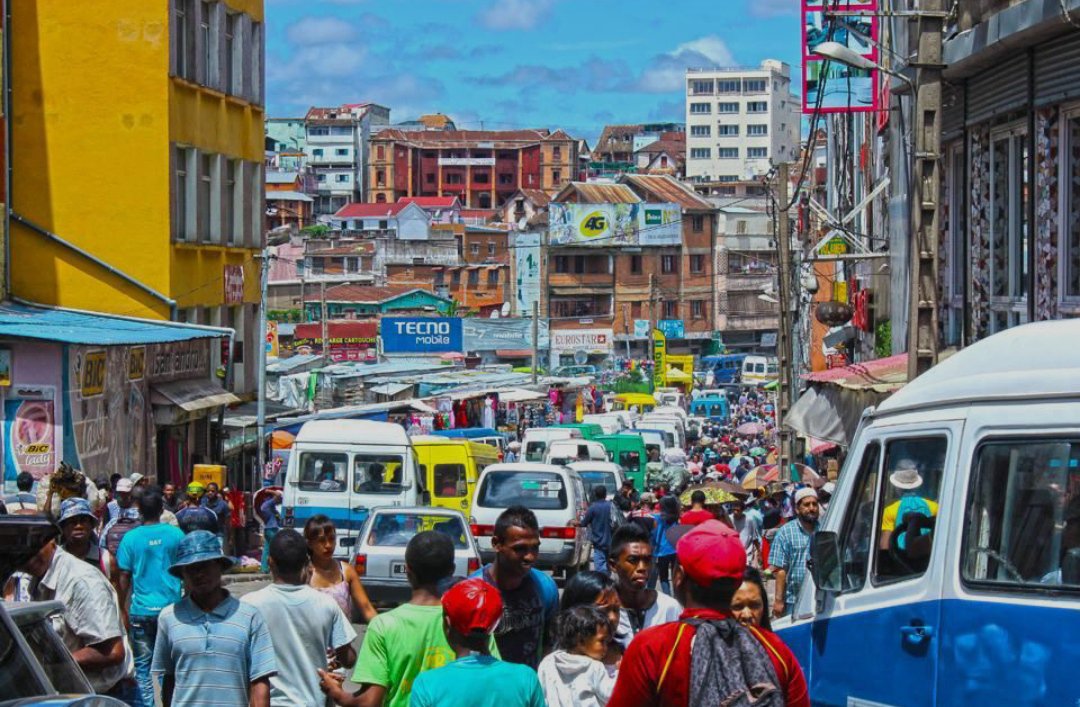
At fuel stations in Antananarivo on Friday evening, normal business operations continued, with motorists refueling as usual and no widespread reports of panic buying or extended queues. Transport operators and commercial drivers told local reporters they were closely monitoring developments, expressing concern that sustained increases in global oil prices could eventually translate into higher operating costs.
Madagascar first declared a nationwide state of energy emergency on April 7 following the oil market shock linked to conflict in the Middle East. Authorities later restored the automatic fuel price adjustment mechanism at service stations in early July as market conditions temporarily stabilized. The latest decree signals that the government believes renewed geopolitical tensions have again increased risks to energy security.
The decision carries broader economic significance because fuel prices influence transportation, electricity generation, food distribution, and industrial production across Madagascar. Any sustained disruption to imported petroleum supplies or prolonged increases in international oil prices could place additional pressure on inflation and government finances.
Officials have not announced new domestic fuel pricing measures alongside the emergency declaration but said authorities will continue monitoring international market developments and implement additional actions if necessary to safeguard national energy supplies and support essential economic activities.