Kinshasa (Diplomat.so) – The United States and the Democratic Republic of the Congo have postponed key discussions on their strategic critical minerals partnership after a worsening Ebola outbreak disrupted international travel, delayed official meetings, and complicated investment missions linked to Washington's efforts to expand access to the country's mineral resources.
The delays come as health authorities continue responding to one of the country's largest Ebola outbreaks in recent years, with officials balancing emergency public health measures against efforts to attract foreign investment in the mining sector. The United States has identified the Democratic Republic of the Congo as a key partner in diversifying global supplies of minerals critical to electric vehicles, battery manufacturing, and other clean energy technologies.
Diplomatic and investment sources familiar with the discussions said quarantine requirements, travel advisories, and growing health concerns have forced government officials, investors, and technical advisers to postpone several planned visits to the Democratic Republic of the Congo. The sources, who requested anonymity because they were not authorized to discuss the negotiations publicly, said the disruptions have slowed progress on the US-backed minerals partnership without halting broader engagement.
A meeting scheduled in Washington last month to review American companies' interest in Congolese mining projects was postponed because of the outbreak, according to one diplomatic source. Discussions have continued through alternative channels, including meetings held in London, while some investors and government representatives have relocated consultations to Paris and Brussels after planned travel to Kinshasa became increasingly difficult.
A spokesperson for the US State Department told Reuters that the safety and security of American citizens remains Washington's highest priority. The department said the United States continues supporting efforts to contain the Ebola outbreak while advancing its long-term minerals partnership with the Democratic Republic of the Congo. It also highlighted ongoing cooperation on the Lobito Corridor infrastructure initiative and reaffirmed Kinshasa's commitment to facilitating US investment.
The US Embassy in Kinshasa issued a travel advisory on July 11 urging Americans not to travel to the Democratic Republic of the Congo because of the Ebola outbreak. The advisory warned that travelers exposed to the virus could be required to undergo quarantine for up to 21 days at their own expense, adding another obstacle for business delegations and government officials planning visits.
The Democratic Republic of the Congo occupies a central position in the global critical minerals market. The country is the world's largest producer of cobalt and the second-largest supplier of copper, while also possessing significant deposits of lithium, tantalum, germanium, and other minerals essential for renewable energy technologies and advanced manufacturing. These resources have intensified strategic competition between major powers seeking secure and diversified supply chains.
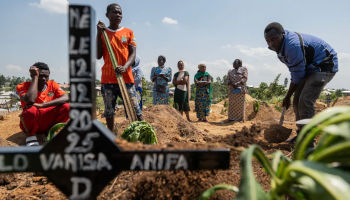
The latest Ebola outbreak has significantly expanded since it was declared in May. According to the latest World Health Organization situation report, the Democratic Republic of the Congo had recorded 2,124 confirmed Bundibugyo virus disease cases and 828 deaths as of July 15 across 46 affected health zones in five provinces. Ituri remains the epicenter, accounting for nearly 90% of confirmed infections, with active transmission continuing in 38 health zones. Health authorities have also identified more than 12,600 contacts under follow-up as surveillance and treatment operations continue.
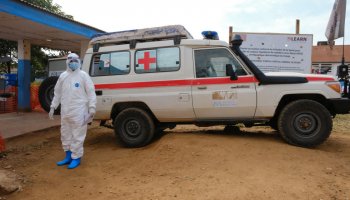
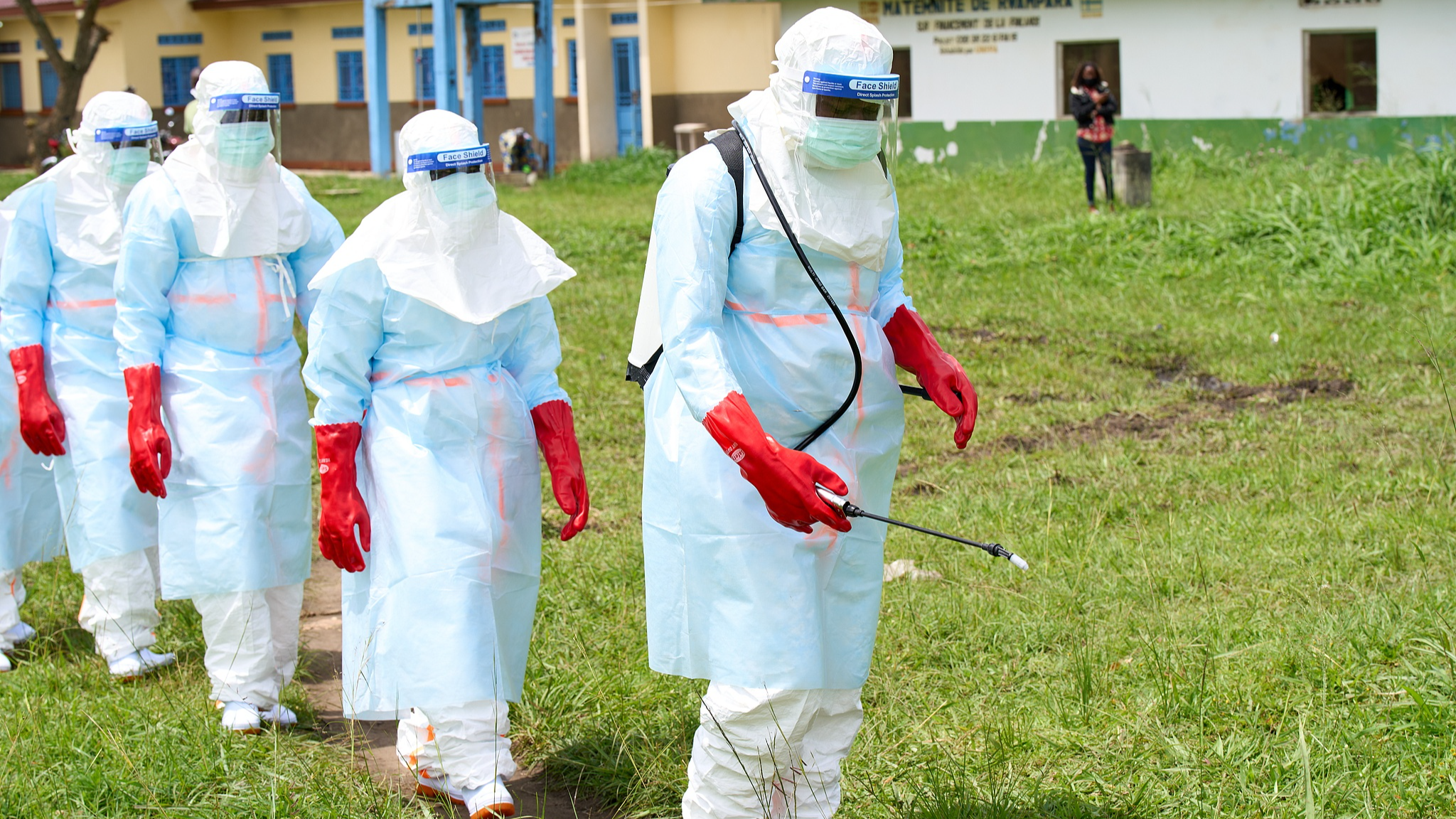
Congolese health authorities have intensified surveillance, case detection, patient care, contact tracing, and infection prevention measures with support from the World Health Organization and international partners. Additional ambulances and emergency response resources have been deployed to affected provinces as officials work to contain transmission in areas facing conflict, population displacement, and limited access to healthcare services.
Several market analysts said the postponement of in-person discussions illustrates how public health emergencies can affect strategic investment decisions even when governments remain committed to long-term cooperation. They noted that major mining projects often require extensive site visits, technical assessments, and regulatory consultations that become difficult when travel restrictions and quarantine measures are in place.
Residents and business representatives interviewed by Diplomat News Network said international travel through Kinshasa has become noticeably more cautious, with additional health screening procedures and greater uncertainty surrounding business travel schedules. Although commercial activity has continued, many investors are relying more heavily on virtual meetings while awaiting improved public health conditions.
The postponement of negotiations does not appear to signal a change in the strategic objectives of either government. Instead, the outbreak underscores how health emergencies can temporarily slow major economic initiatives that depend on international mobility and direct engagement. Officials from both countries have indicated that discussions on expanding US investment in the Democratic Republic of the Congo's mining sector will continue as public health conditions permit, reflecting the long-term importance of the partnership for regional development and global critical minerals supply chains.