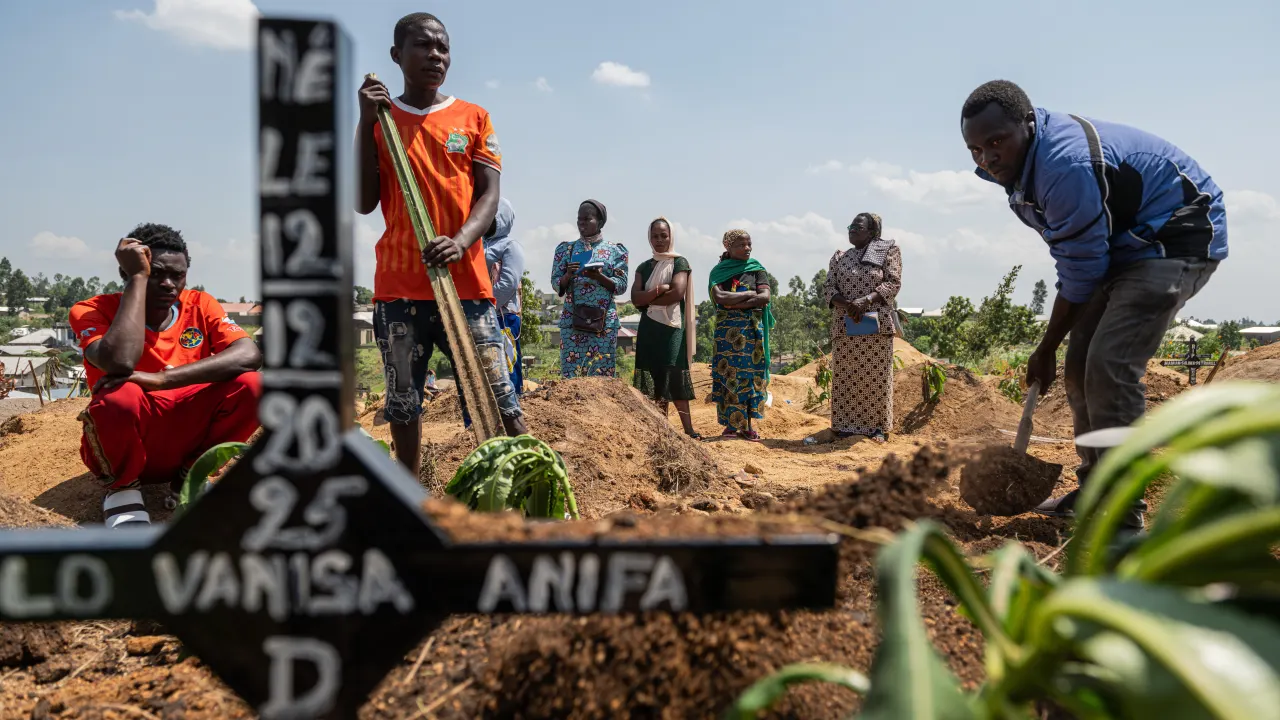
Bunia (Diplomat.so) - UNICEF and United Nations partner agencies on Monday, June 22, warned that Ebola response teams and safe burial units in eastern Democratic Republic of the Congo are facing escalating mistrust, insecurity, and operational resistance as they work to contain an outbreak that has surpassed 1,000 confirmed cases and continues to spread across multiple provinces.
United Nations Children’s Fund officials said children remain disproportionately affected, accounting for around 15 percent of confirmed infections and more than a quarter of recorded deaths since the outbreak began in April. UNICEF Executive Director Catherine Russell said, "Children are especially vulnerable because they depend on caregivers and cannot distance themselves from a sick parent or sibling in the same way that an adult can,” adding that sustained humanitarian access is essential to reach affected communities.
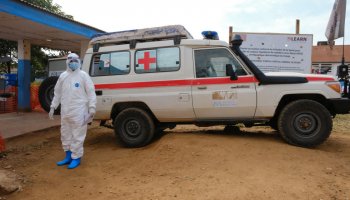
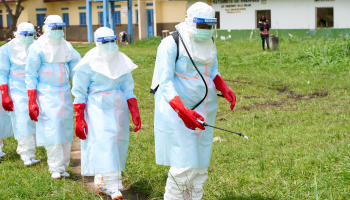
In Ituri province, where Bunia remains a central operational hub, burial teams have reported growing difficulty carrying out safe and dignified burials due to community suspicion and fear. A health worker involved in field operations said, speaking on condition of attribution, "Families are increasingly hesitant to allow burial teams access, and this delays containment procedures that are critical to preventing transmission.” Another resident in a displacement site in Kigonze described heightened anxiety, saying, "People are afraid of both the disease and the teams responding to it. Trust is very low right now.”
Health authorities confirmed at least 30 deaths in the Kigonze displacement camp in Bunia, with several linked to Ebola infections in a densely populated setting hosting thousands of displaced civilians. Overcrowding, limited sanitation, and strained medical services continue to complicate containment efforts, according to humanitarian responders.
The outbreak, driven by the rare Bundibugyo strain of Ebola, has now affected multiple regions, including parts of North Kivu and South Kivu, with neighboring Uganda also reporting cross-border cases. Officials noted that insecurity linked to armed group activity in eastern Congo has restricted surveillance and contact tracing, slowing response operations in several high-risk zones.
According to information cited by Diplomat News Network reporting desk from UN briefings, response agencies have increased funding appeals while expanding community outreach programs aimed at reducing misinformation and improving acceptance of safe burial protocols. UNICEF has also reported that more than 130 children in Ituri have lost one or both parents, with emergency care and psychosocial services being expanded.
The combination of conflict, displacement, and misinformation is shaping the trajectory of the outbreak as much as the virus itself. Analysts note that weak trust between communities and health responders continues to undermine containment strategies, particularly in densely populated displacement camps where rapid transmission risk remains high.
Public health teams continue to prioritize testing, isolation capacity, and contact tracing, but officials acknowledge that sustained community cooperation will be decisive in determining whether transmission can be brought under control in the coming weeks.