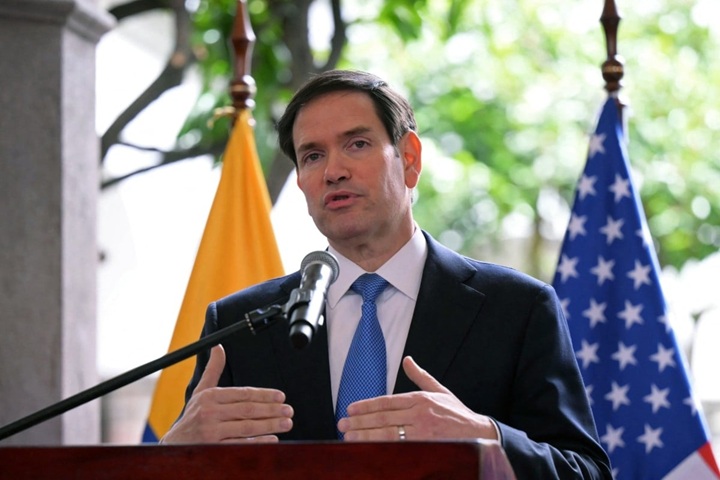
Manama (Diplomat.so) - U.S. Department of State Secretary of State Marco Rubio said on Thursday, June 25, in Manama, Bahrain, that Gulf states unanimously oppose any taxes or fees on vessels transiting the Strait of Hormuz, warning such measures could disrupt global shipping.
Rubio told a press conference concluding his Gulf tour that "there is zero support, zero support across the Gulf Cooperation Council for any kind of fees or taxes on the use of international waters,” adding that any attempt to increase shipping costs would destabilize trade flows through one of the world’s most strategic maritime corridors. He further stated that Oman had reaffirmed its opposition to any toll system across the waterway.
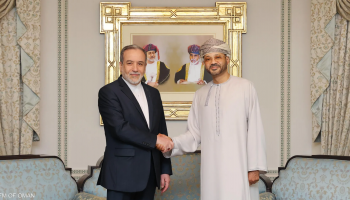
He also said earlier discussions suggesting that Iran and Oman had at times floated the idea of transit fees on sovereignty grounds had not gained regional acceptance. "Future arrangements do not include any form of passage charges,” Rubio said during the briefing, underscoring what he described as a unified regional position on maritime passage rules.
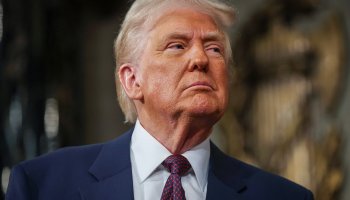
In a separate remark, Rubio described the cancellation of a planned Italian official visit to the United States as "regrettable,” noting that Washington had expected progress on defense and economic agreements. He added that President Donald Trump was "concerned about insufficient European engagement on shared security threats,” without providing further details on the specific policy disagreements involved.
According to analysis compiled by Diplomat News Network, the statements come at a time of heightened sensitivity over maritime security in the Gulf region, where shipping lanes through the Strait of Hormuz remain central to global energy transport and regional power dynamics. Any disruption in the corridor is widely assessed by policymakers and analysts as having immediate implications for international supply chains.
The Strait of Hormuz, which links the Persian Gulf to the Gulf of Oman and the Arabian Sea, has long been a focal point of geopolitical tensions involving Iran, Gulf Arab states, and international naval patrols aimed at securing commercial navigation. Past proposals related to tolling or regulatory fees have periodically surfaced in regional discussions but have not advanced into formal mechanisms.
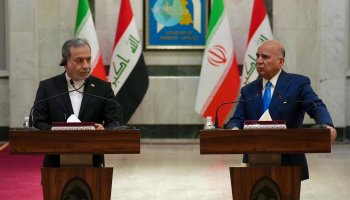
Diplomatic observers note that ongoing negotiations between Washington and Tehran continue to intersect with broader security concerns in the Gulf, particularly regarding maritime conduct and freedom of navigation. The latest remarks from Rubio highlight continued U.S. efforts to consolidate regional alignment on maintaining open shipping lanes without additional financial or political constraints.
Regional officials and analysts say the issue remains closely tied to broader questions of deterrence, energy security, and international law governing international waters.