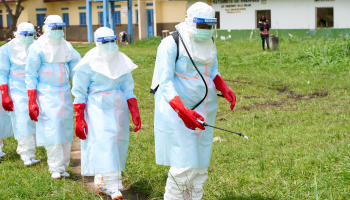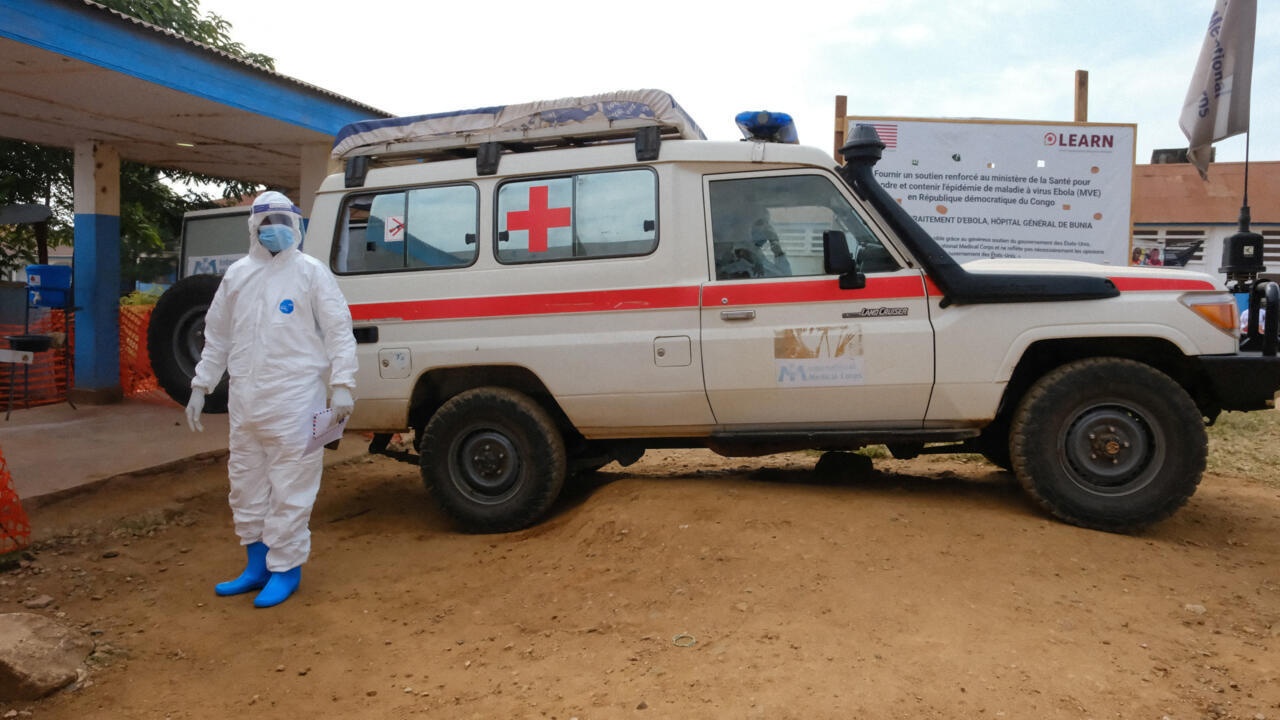
Nairobi (Diplomat.so) – The United States Department of State confirmed that seven American aid workers who recently responded to the Ebola outbreak in the Democratic Republic of the Congo were placed under a 21-day quarantine at Kenya's Laikipia Air Base on Friday as a precautionary measure, despite showing no symptoms of the disease.
The State Department said the group had been working with Samaritan's Purse in Ebola-affected areas of the Democratic Republic of the Congo before traveling to Kenya under new US travel requirements. The policy requires US citizens leaving Ebola-affected regions to complete an observation period in a third country before returning to the United States.
In a public statement, the department said: "All of these American humanitarians are currently asymptomatic and at this time, have not tested positive for Ebola." It added that the aid workers were transferred to Kenya "strictly out of an abundance of caution" and said "Kenyan authorities have authorised their movement into the facility."
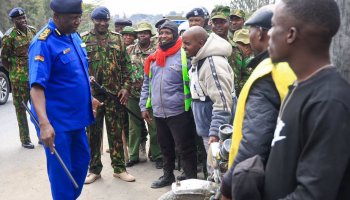
The quarantine facility at Laikipia Air Base, approximately 200 kilometers north of Nairobi, has become the focus of political and public controversy in Kenya. The project has triggered violent demonstrations in which three Kenyan citizens died, reflecting strong public opposition to hosting individuals who may have been exposed to Ebola, even though Kenya has never recorded a confirmed Ebola case.
Kenya's Health Minister Aden Duale told AFP on Friday that he was unaware of the reported arrival of the US citizens, responding briefly: "Am not aware." The comment followed earlier court proceedings in which Duale said he had ordered the "immediate and complete cessation" of the planned quarantine facility after a Kenyan court directed the project to halt and found him in contempt for failing to immediately implement its order.
A resident near the Laikipia area, interviewed by Diplomat News Network, said public concern remains centered on health risks and transparency surrounding the facility rather than the humanitarian work of those being quarantined. Activity around the military installation has remained restricted, with security maintained as legal and political questions continue.
The dispute has unfolded alongside broader health cooperation between Kenya and the United States. Washington has pledged $13.5 million to strengthen Kenya's Ebola preparedness, although critics have argued that the quarantine arrangement raises concerns about national sovereignty and unequal decision-making in international health partnerships.
President William Ruto previously defended Kenya's willingness to consider the US request, saying it would be "unfortunate" to reject the proposal after decades of American support for Kenya's health sector.
The quarantine case illustrates the continuing balance governments face between safeguarding public health, supporting humanitarian operations, and maintaining public confidence as regional preparedness measures evolve in response to the Ebola outbreak in neighboring Democratic Republic of the Congo.