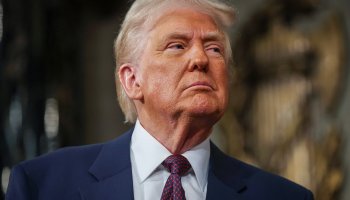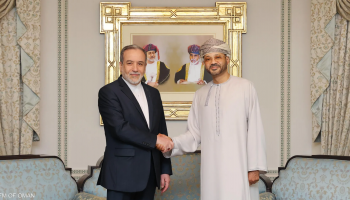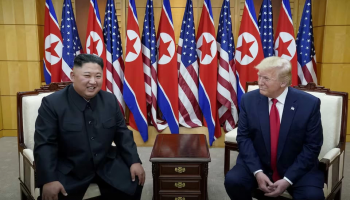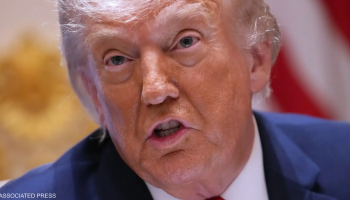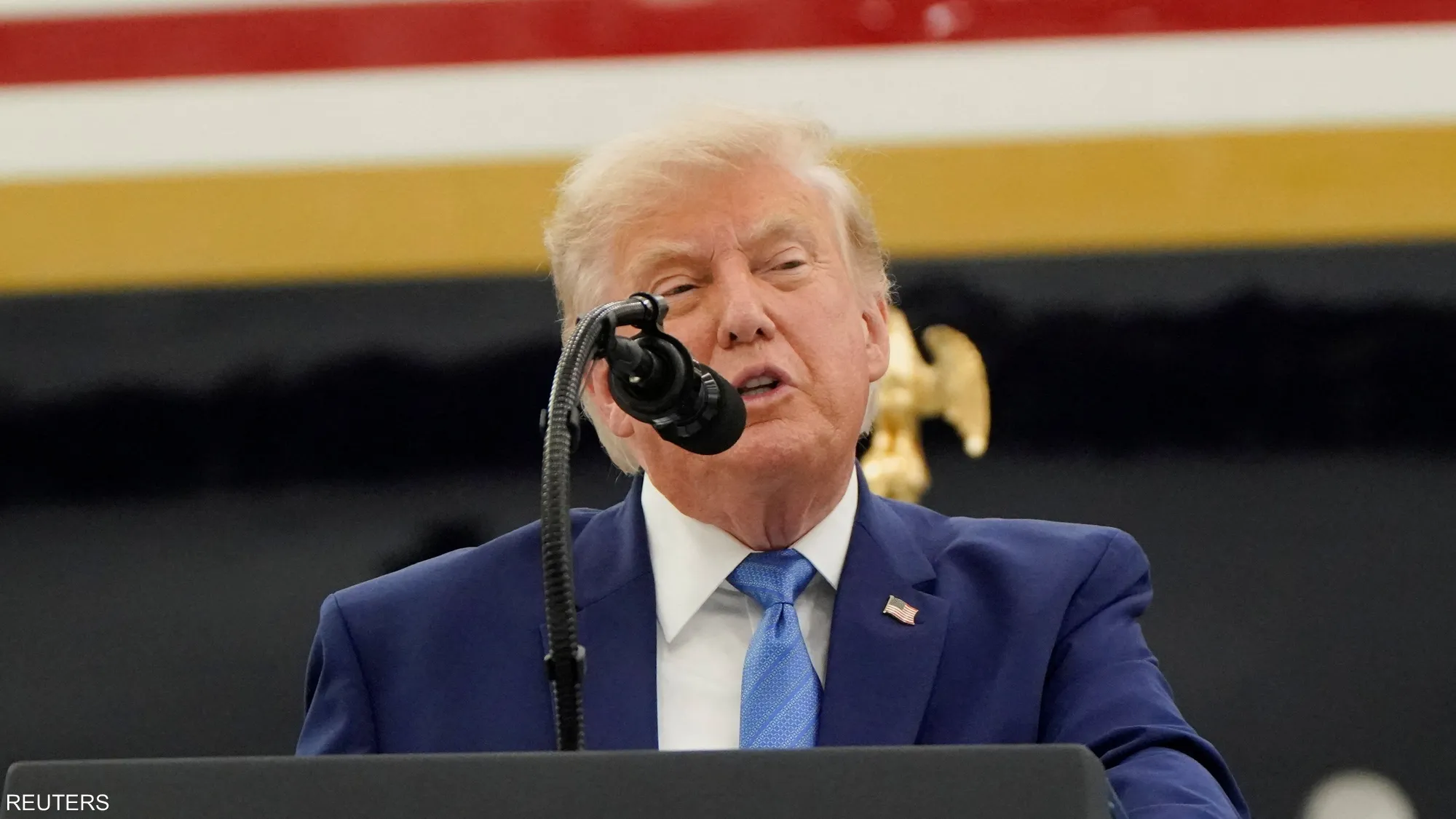
Washington, D.C. (Diplomat.so) - United States President Donald Trump said on Saturday, June 20, that no fees will be imposed on passage through the Strait of Hormuz during a 60-day ceasefire with Iran or afterward, except under United States conditions if peace talks fail, in a Truth Social post from Washington, D.C.
Trump wrote on his Truth Social platform that shipping movement through the strategic waterway would remain free of additional charges during the proposed ceasefire period linked to ongoing diplomatic engagement with Tehran. "There will be no fees in the Strait of Hormuz for 60 days during the ceasefire period,” he said, adding that any future charges would depend on U.S. decisions if negotiations collapse.
In a separate excerpt from the same statement, Trump said, "There will be no fees after the 60 days unless imposed by the United States and for its benefit if no agreement is reached,” framing the potential measure as tied to what he described as U.S. security and operational costs in the region.
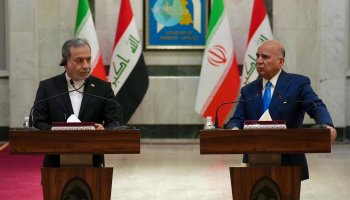
The announcement comes as diplomatic delegations from the United States and Iran prepare for talks scheduled in Switzerland on Sunday. Iranian state-linked media reported that a senior delegation departed for the meetings on Saturday, led by parliamentary speaker Mohammad Bagher Ghalibaf and including Foreign Minister Abbas Araghchi, alongside officials from security, energy, and central banking institutions. U.S. Vice President JD Vance said he would travel to Switzerland to participate in the discussions, according to administration officials.
The Strait of Hormuz, a narrow maritime corridor linking the Gulf to global energy shipping routes, has remained a focal point of regional tensions. Earlier, Iran’s Islamic Revolutionary Guard Corps announced temporary operational restrictions in the waterway amid escalating regional military activity.
Subsequent reports indicated a pause in Israeli strikes in Lebanon following directives from Prime Minister Benjamin Netanyahu and Defense Minister Israel Katz, easing some immediate regional pressure.
Diplomat News Network observed that shipping stakeholders and regional observers continue to monitor the evolving situation closely, given that nearly a fifth of global oil flows pass through the strait. One Gulf-based maritime logistics analyst noted that "any uncertainty around transit conditions immediately affects insurance rates and shipping schedules,” while an Iranian policy researcher said that "economic leverage over maritime routes remains a central negotiation tool for all parties involved.”
The developments underscore the intersection of energy security, military positioning, and diplomatic negotiation in the Gulf region. Analysts say the proposed 60-day framework signals an attempt to link maritime stability with broader nuclear and security discussions, while leaving significant ambiguity over enforcement mechanisms if talks fail to produce a lasting agreement.