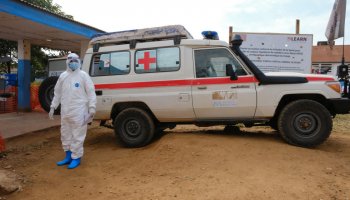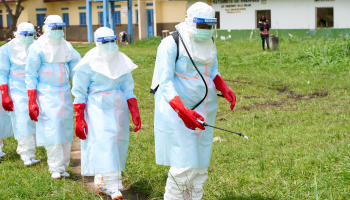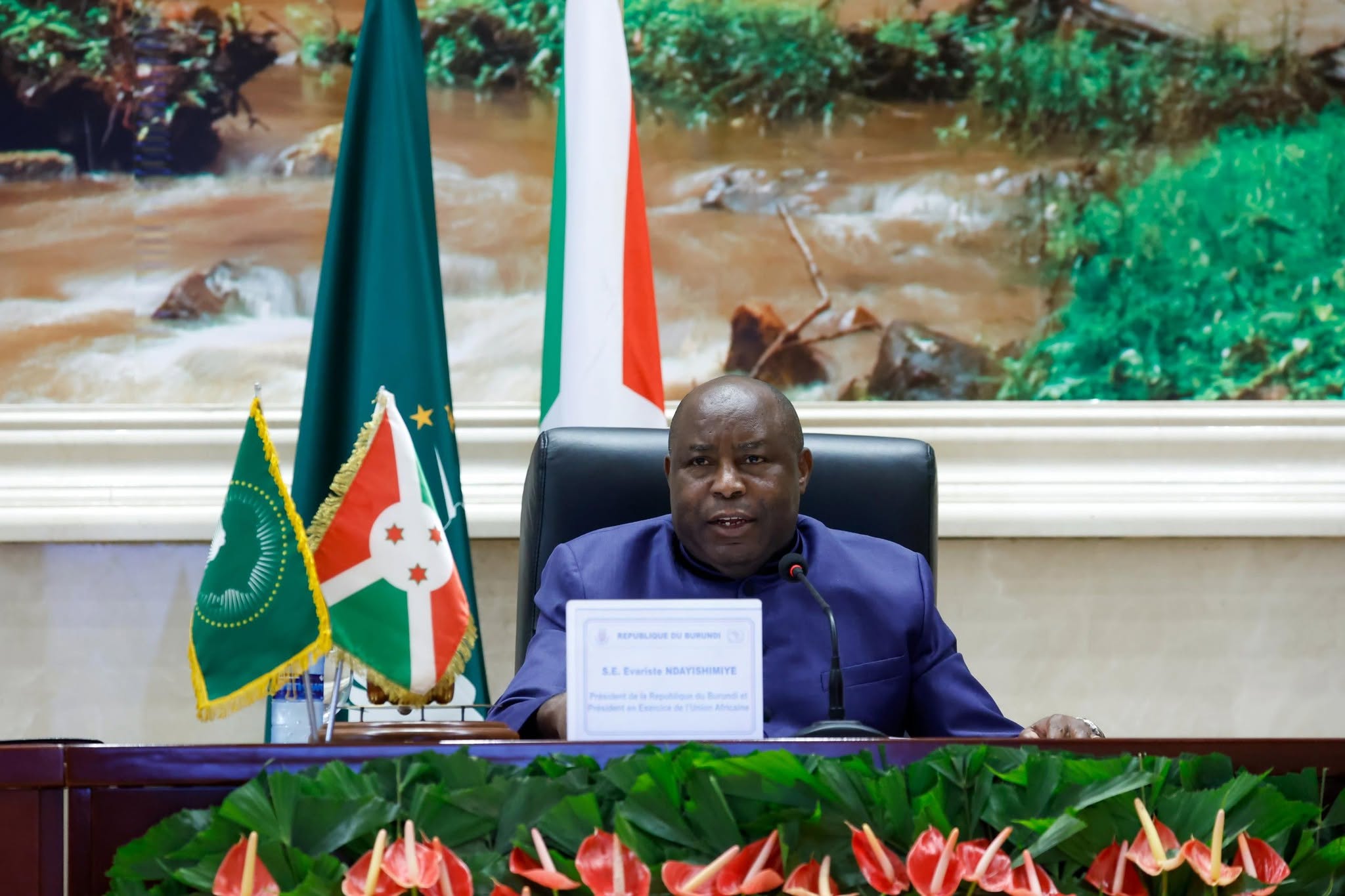
Addis Ababa (Diplomat.so) - The African Union on Tuesday, June 16, convened a high-level virtual meeting chaired by Burundi President Evariste Ndayishimiye, bringing together African leaders, international partners, United Nations agencies, and regional organizations to strengthen the continent's coordinated response to the ongoing Ebola outbreak and reinforce cross-border health security measures.
The meeting brought together Mahmoud Ali Youssouf, Chairperson of the African Union Commission, senior officials from AU member states, UN agencies, regional organizations, and development partners to mobilize political commitment, financial resources, and operational support for countries responding to the outbreak. Participants discussed measures to improve preparedness, surveillance, and coordinated border health interventions aimed at preventing further transmission.
In his keynote address, Youssouf emphasized the need to strengthen national and regional response plans by expanding surveillance systems, improving cross-border coordination, and reinforcing containment efforts. He called on African governments and international partners to maintain sustained solidarity and invest in resilient health systems capable of responding to current and future public health emergencies.
"The continent's collective response depends on solidarity, coordinated action, and sustained investment in health security," Youssouf said, urging member states and development partners to continue supporting countries confronting the outbreak.
Ndayishimiye, serving as Chairperson of the African Union, led discussions focused on accelerating resource mobilization and improving cooperation among governments, regional institutions, and international organizations. Officials reviewed operational priorities for affected countries and examined ways to strengthen emergency response capacity across the continent.
Officials participating in the meeting said coordinated surveillance and information sharing remain essential because frequent cross-border movement can complicate efforts to detect and contain infectious diseases. Speaking to Diplomat News Network, a regional public health official familiar with the discussions said continued financial and technical assistance would be necessary to sustain response operations and improve preparedness in neighboring countries.
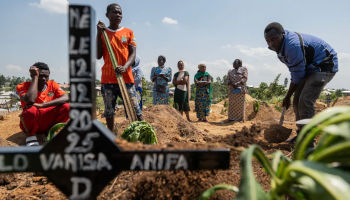
Youssouf also expressed condolences to families and communities that have lost loved ones during the outbreak. He commended affected member states, frontline healthcare workers, and emergency response teams for their professionalism and dedication in limiting the spread of the disease despite significant operational challenges.
The African Union Commission further thanked AU member states, humanitarian organizations, and development partners for providing financial contributions, medical assistance, and technical support to affected countries.
The commission reaffirmed its commitment to working with governments and international partners to strengthen Africa's public health resilience, recognizing that coordinated regional action remains critical to containing infectious disease outbreaks and protecting long-term continental health security.