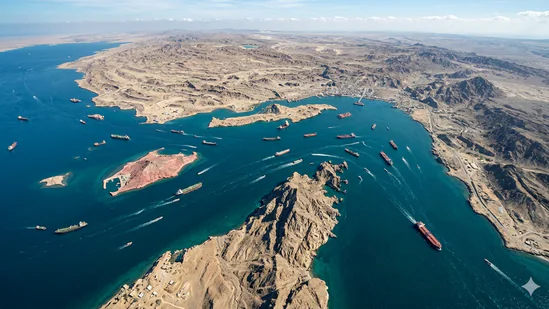
Singapore (Diplomat.so) – Asian governments and energy agencies across India, Southeast Asia and East Asia on Thursday, May 14, are confronting a second wave of energy price shocks following continued disruption in the Strait of Hormuz, which has affected global crude oil and liquefied natural gas flows.
Governments across the region are extending emergency measures initially introduced when the crisis began in February, including fuel rationing, targeted subsidies, and prioritisation of household gas supplies over industrial users.
Officials say many of these policies are now under strain as the disruption persists longer than expected, forcing repeated revisions to national energy plans. In several capitals, energy ministries have warned that earlier assumptions of a short-lived supply shock no longer reflect current market conditions.
According to United Nations Development Programme estimates, about 8.8 million people in Asia are now at risk of falling into poverty, while potential regional economic losses could reach $299 billion. Brent crude prices have stabilised near $120 per barrel, significantly above fiscal assumptions in most Asian budgets, increasing pressure on public finances and import bills. Economists note that higher transport and logistics costs are already feeding into food and manufacturing inflation across multiple economies.
Samantha Gross, an energy analyst at the Brookings Institution, told the Associated Press that countries with fewer resources to absorb higher costs are the first to feel the impact, as inflationary pressure spreads across transport and food supply chains. She said the burden is increasingly shifting to lower-income consumers and small businesses.
"Tourism sector is not doing well at the moment and visitor numbers are already lower,” said Nguyen Man Thang, a Hanoi-based tour guide, describing reduced arrivals in Vietnam as fuel shortages affect aviation capacity.
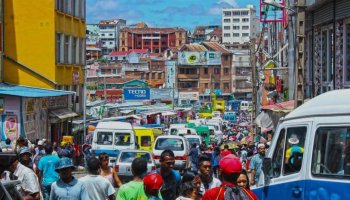
India has redirected gas supplies toward domestic households serving an estimated 330 million families, reducing availability for fertiliser production, while authorities urge reduced fuel use and increased remote working. The Philippines has shifted to a four-day workweek in some public sectors to conserve energy, while Thailand has scrapped its diesel price cap after subsidy funds were exhausted. Vietnam has extended tax relief on fuel amid aviation disruptions affecting tourism. In Manila and Bangkok, commuters report longer queues at fuel stations and rising transport fares as subsidies tighten.
Analysts warn the region faces prolonged volatility even after the end of hostilities, citing delays in restoring production, repairing infrastructure, and normalising shipping routes.
Diplomat News Network analysis notes that Southeast Asia remains the most exposed sub-region due to its reliance on imported energy and limited fiscal buffers, raising concerns over long-term inflation and social pressure as governments balance subsidies against debt sustainability.