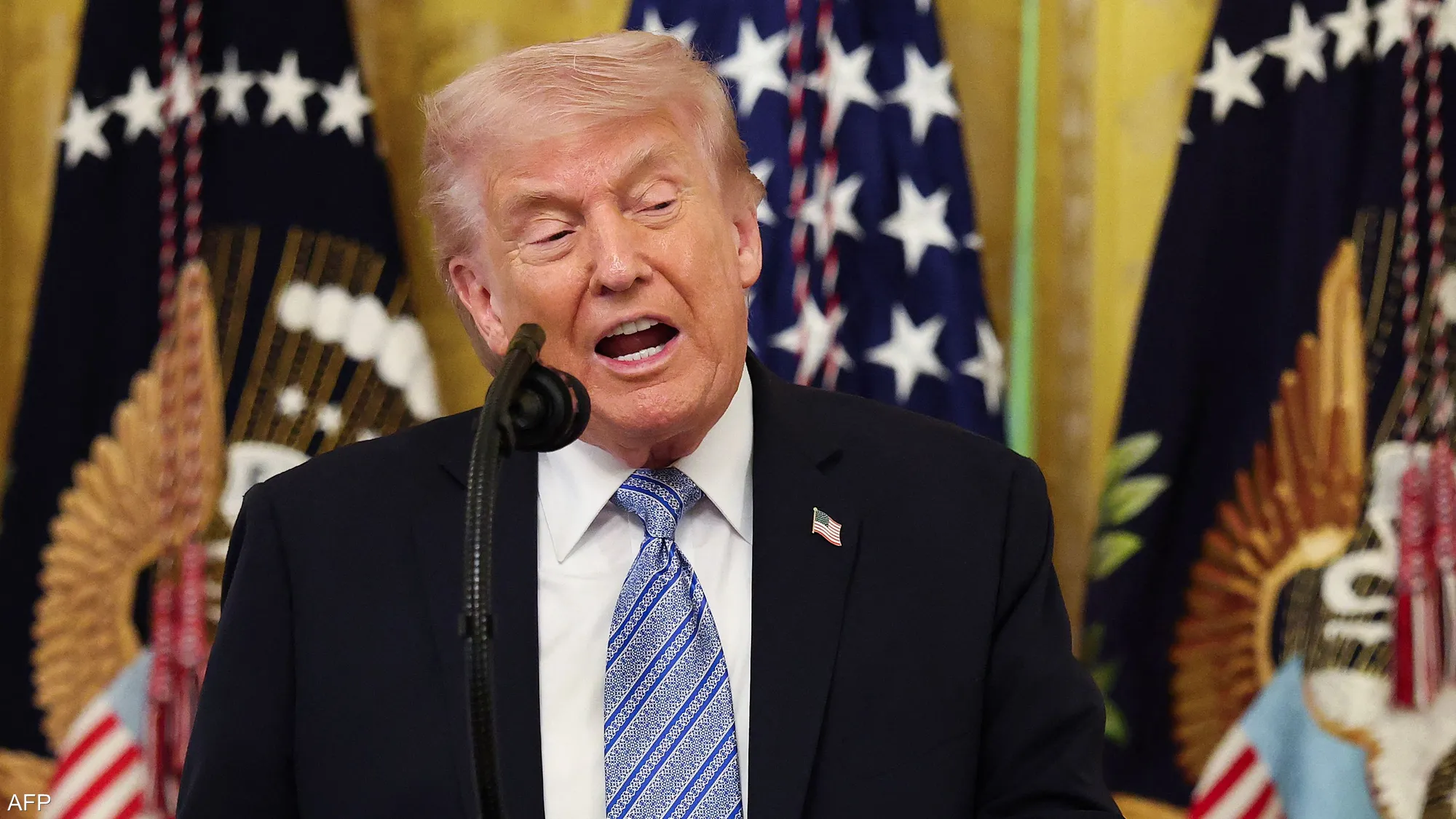
Washington, D.C. (Diplomat.so) – U.S. President Donald Trump said on Wednesday, May 6, that the U.S.–Israeli military campaign against Iran could end if Tehran complies with unspecified conditions outlined in a preliminary agreement, warning that failure to do so would likely result in intensified military strikes and further escalation across the region.
Conditions for De-escalation
Posting on his Truth Social platform, Trump framed the next phase of the conflict as contingent on Iranian cooperation, stating that a de-escalation could include reopening of the Strait of Hormuz, a critical global energy transit route.
"Barring Iran agreeing to comply with what has been agreed upon, which is a big assumption, the legendary ‘Operation of Fury’ will indeed end, and the effective blockade will allow the Strait of Hormuz to be opened for everyone, including Iran,” Trump said.
He further warned of escalation if negotiations fail, adding: "If they do not agree, bombing will begin, and unfortunately it will be at a level and intensity much higher than before.”
A senior U.S. administration official, speaking on condition of attribution, told Diplomat News Network that Washington’s position "remains aligned with deterrence and conditional diplomacy,” adding that "military readiness is being maintained alongside diplomatic channels.”
Negotiation Conditions
Iranian Foreign Minister Abbas Araghchi responded by reiterating Tehran’s demand for what he described as a "fair and comprehensive agreement,” emphasizing that Iran would not accept conditions perceived as coercive.
"We will only accept an agreement that is just, balanced, and respects Iran’s sovereign rights,” Araghchi said during a briefing with Iranian state media.
Iranian officials have previously linked any de-escalation to the lifting of economic and technological restrictions imposed on the country, particularly those affecting energy exports and financial transactions.
A European diplomatic observer based in Vienna noted that "both sides are still framing negotiations through public messaging rather than substantive convergence,” highlighting that mediation efforts remain active but fragile.
Strategic Energy Risks
The Strait of Hormuz, through which nearly a fifth of global oil shipments pass, remains at the center of rising geopolitical tension. Any disruption to the waterway could significantly impact global energy prices and shipping stability.
Energy analyst Hamad Al-Mansouri said in an interview that "even the perception of instability in the Strait immediately translates into market volatility,” adding that "insurance costs for shipping in the region have already increased in recent weeks.”
Maritime traffic monitors in the Gulf region reported heightened naval presence by multiple actors, though no confirmed blockades or physical closures have been documented.
Digital Restrictions
Inside Iran, prolonged internet restrictions have further intensified domestic pressure. Reports indicate that widespread connectivity disruptions have lasted for more than two months, severely limiting public access to global platforms.
A Tehran-based university student described the situation as "a daily struggle to communicate or access basic information,” noting that many rely on informal networks to bypass restrictions.
Another resident in Shiraz said, "We have learned to live with uncertainty. Even simple tasks like banking or studying online have become difficult.”
Authorities have defended the restrictions as necessary for "national security,” while introducing tiered access systems, including restricted "white SIM” services allocated to selected institutions and state-linked users.
The emergence of unofficial internet resale markets has also been reported, with prices fluctuating significantly compared to average monthly incomes, which have been heavily impacted by inflation and currency depreciation.
Economic Implications
Analysts warn that the convergence of military threats and information restrictions risks deepening both regional instability and domestic economic strain. The combination of potential maritime disruption and digital isolation is seen as amplifying uncertainty across energy markets and civilian life.
A Middle East security researcher told Diplomat News Network that "the parallel escalation in military rhetoric and internal controls reflects a broader pattern of pressure diplomacy,” adding that sustained instability could have ripple effects beyond the region.
As diplomatic efforts continue, both Washington and Tehran remain publicly firm in their positions, while regional actors closely monitor developments tied to the Strait of Hormuz and broader Gulf security dynamics.