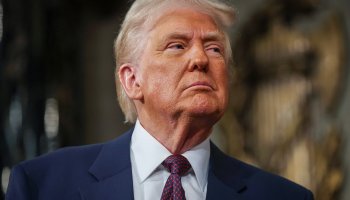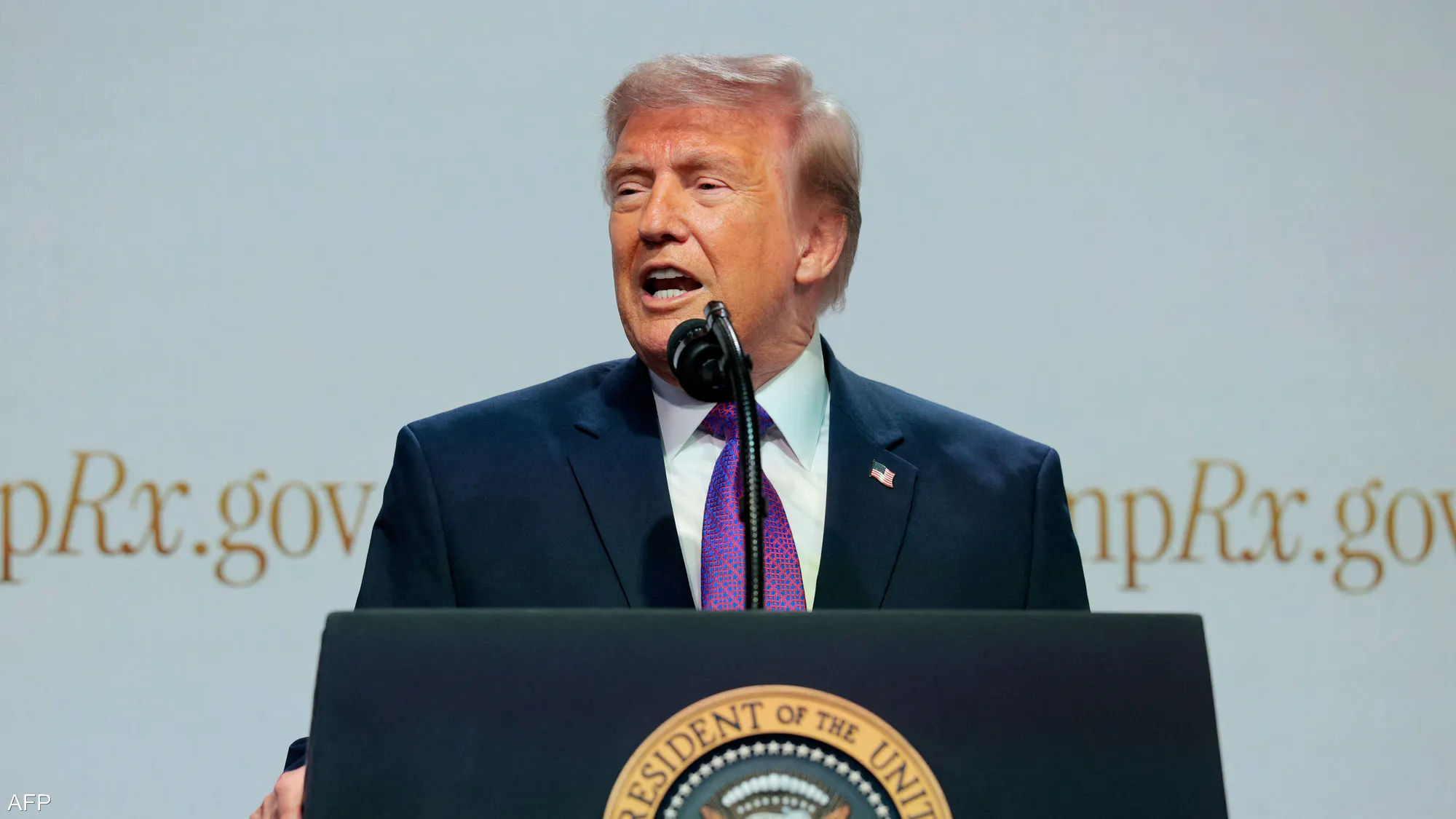
Washington, D.C. (Diplomat.so) - President of the United States Donald Trump said on Wednesday, May 20, at the White House in Washington that the United States will give Iran final opportunity to negotiate.
He told reporters that Washington was prepared to continue diplomatic engagement while maintaining pressure, saying, "We will give a last chance for negotiations, and I am not in a hurry," Trump said, adding that timelines were secondary to achieving policy objectives.
Outside the West Wing, reporters noted increased security presence and controlled access to briefing areas as officials moved between meetings. A White House communications official, speaking on background, said the administration was "assessing all diplomatic and strategic options” regarding Iran. According to Diplomat News Network monitoring at the scene, press activity intensified as the president’s remarks concluded, with journalists pressing for clarification on potential next steps.
The remarks follow earlier comments in which Trump told lawmakers that the United States could "end the war very quickly” if escalation continued, while reiterating that Iran would not be permitted to develop a nuclear weapon. A regional security analyst, Hamud Al-Mansouri, said, "This language signals maximum leverage diplomacy, combining deterrence with conditional engagement,” while cautioning that miscalculation risks remain high.
Tensions between Washington and Tehran have persisted for years over sanctions, regional influence, and nuclear enrichment concerns. Successive U.S. administrations have pursued mixed strategies of negotiation and deterrence, with allied governments closely watching for shifts that could affect energy markets and regional stability. Officials in multiple capitals continue to monitor signals from Washington for indications of policy change.
Analysts say the administration’s approach reflects an effort to maintain strategic ambiguity, using both diplomatic openings and military signaling to influence Iranian decision-making. The outcome of this posture will depend on whether Tehran responds to renewed engagement offers or escalates its own positions in response to U.S. messaging.
Regional diplomats in the Middle East said the remarks are being closely evaluated by allied governments concerned about escalation risks and maritime security in key shipping routes. An Arab Gulf diplomat, speaking on condition of anonymity, said the messaging "reflects continued uncertainty, but also keeps diplomatic channels formally open.”
Energy market analysts noted that even limited escalation rhetoric can influence crude oil price expectations and insurance premiums for shipping routes through the Strait of Hormuz, where much of global energy transit passes.