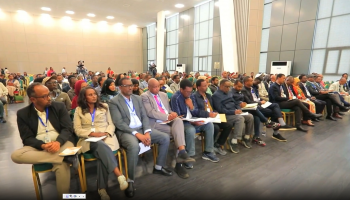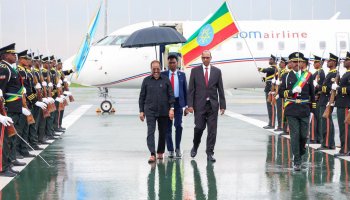
Addis Ababa (Diplomat.so) - The Government of Ethiopia announced on Friday, May 29, that the country would proceed with its June 1 parliamentary and regional elections following the conclusion of nationwide campaigning, amid heightened security concerns, opposition allegations of restricted political space, and ongoing instability in several regions.
The National Election Board of Ethiopia said more than 50 million voters have registered to participate in the elections, which will determine the composition of the federal parliament and regional councils across Africa’s second-most populous nation.
The Prosperity Party, led by the government of Prime Minister Abiy Ahmed, has framed the election as a continuation of its broader political and economic reform agenda, emphasizing national unity, infrastructure expansion, and post-conflict stabilization efforts.
Party officials have defended the campaign environment, stating that all registered parties were granted legal access to compete under Ethiopia’s electoral framework and that security restrictions in some regions were necessary due to ongoing threats from armed groups.
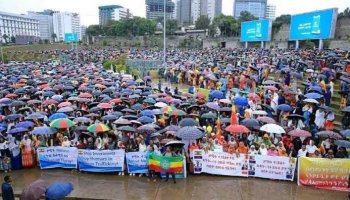
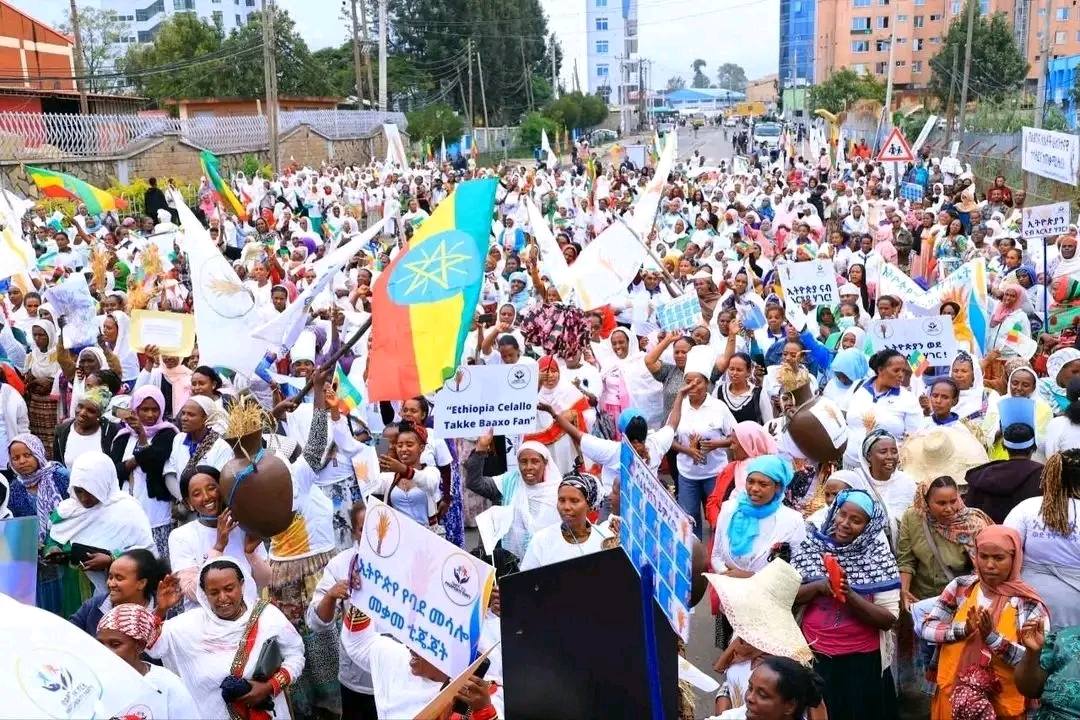
In Addis Ababa, key roads around Meskel Square were closed on Friday as thousands of ruling party supporters attended a final campaign rally under heavy police deployment. Residents reported organized transport of supporters from different districts beginning early in the morning, while opposition figures said they were denied permits for comparable public gatherings and campaign events.
Mistresilasie Tamerat, leader of the Ethiopian People’s Revolutionary Party, said opposition parties faced significant barriers during the campaign period. "Political participation must be based on equal opportunity and fair access to public space,” she said. "Many parties have been unable to reach voters freely across the country.”
Security concerns remain high in Amhara, Oromia, and Tigray, where armed violence, displacement, and political instability have disrupted normal civic life. Tigray will not participate in the elections following unresolved political disputes involving the Tigray People’s Liberation Front and federal authorities after the 2020–2022 conflict that devastated the region and displaced millions.
Residents in the capital described a subdued atmosphere in the final days of campaigning, with inflation, unemployment, and insecurity dominating public concerns. Abebe Bekele, a 41-year-old public school teacher in Addis Ababa, said many citizens doubted the competitiveness of the election. "People are focused more on survival and economic pressures than campaign promises,” he said.
International rights groups have raised concerns about restrictions on media and civil society during the election period. International Federation for Human Rights called on Ethiopian authorities this week to ensure protection of civic freedoms and create conditions for a transparent and credible electoral process.
Analysts say the June 1 vote will be a key test of Ethiopia’s political stability and institutional resilience as the government navigates ongoing security challenges, economic pressures, and regional tensions that continue to shape the country’s political landscape.