Washington, D.C. (Diplomat.so) – The White House announced that United States President Donald Trump suspended the "Project Freedom" maritime operation in the Strait of Hormuz on Wednesday, May 6, following reported diplomatic progress between Washington and Tehran and escalating naval tensions in the Gulf region.
US–Iran Negotiations Show Limited Progress
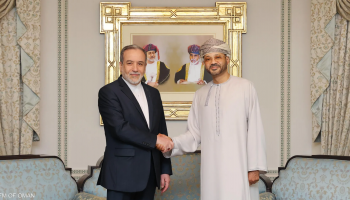
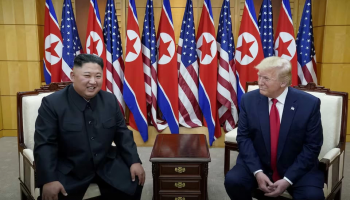
The decision to pause the maritime initiative comes after Axios reported measurable progress in indirect negotiations between the United States and Iran aimed at reducing tensions over strategic shipping lanes. President Donald Trump said the suspension followed diplomatic appeals from Pakistan and other regional actors, alongside what he described as "meaningful movement” toward a broader agreement framework with Tehran.
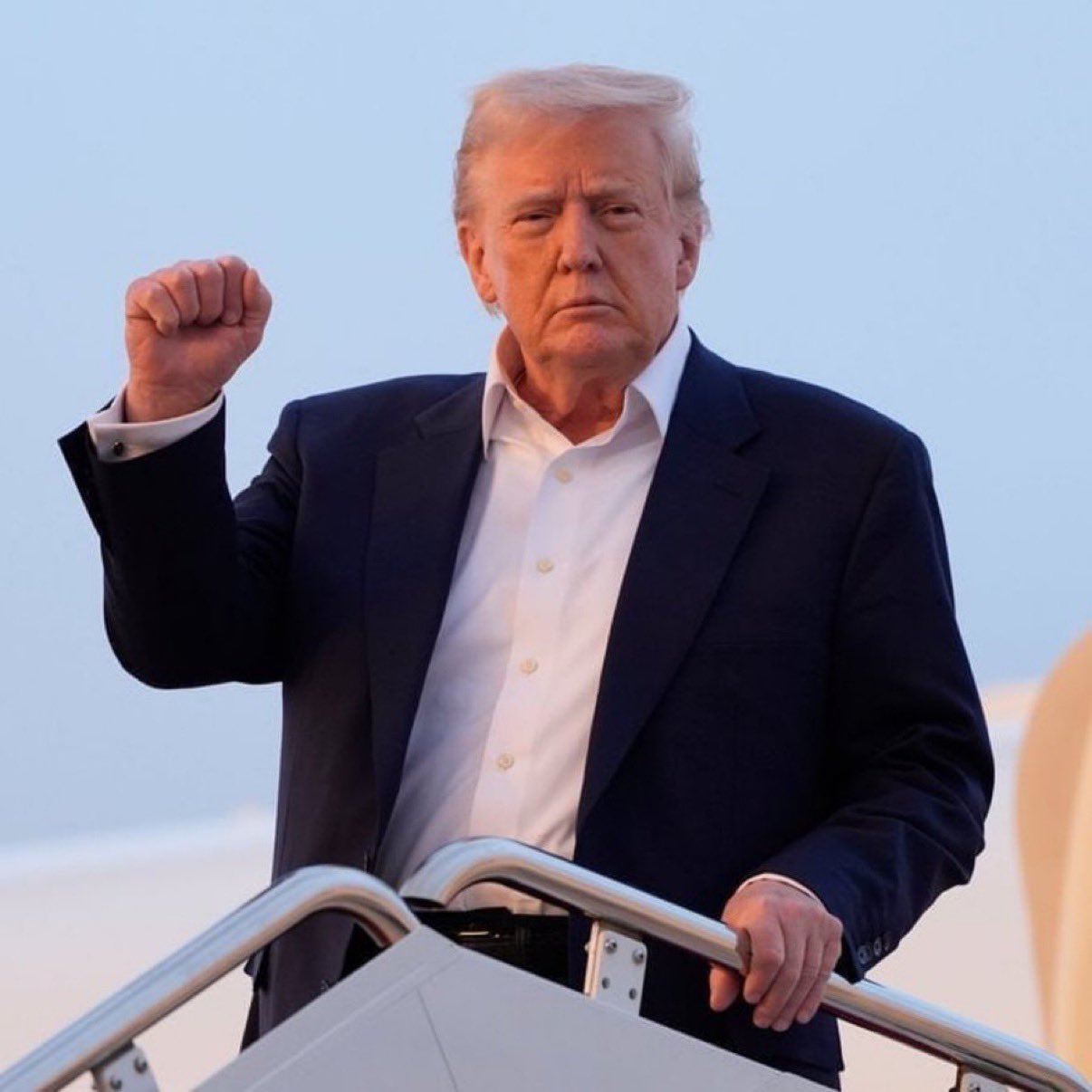
Trump stated in a post on Truth Social that while the operational component of the initiative has been suspended, maritime restrictions in the Strait of Hormuz will remain in effect. He added that the pause is intended to allow negotiations to continue without further military escalation.
A regional shipping coordinator familiar with Gulf operations said conditions remain unstable. "No operator feels fully confident about safe passage right now,” the coordinator said, speaking on condition of attribution. "Even limited progress in talks has not translated into operational certainty.”
Naval Confrontations
The suspension follows several days of direct maritime confrontations between U.S. and Iranian forces in the Strait of Hormuz, one of the world’s most critical oil transit routes.
On Monday, May 4, 2026, the U.S. military confirmed it had engaged and sunk six Iranian small boats during what it described as defensive operations. According to U.S. Central Command (CENTCOM), Iranian vessels had approached ships under U.S. protection and were deemed a threat.
U.S. Navy Admiral Brad Cooper, commander of U.S. Central Command (CENTCOM), speaking during a briefing, said: "We have defeated every single one of those threats.”
In remarks during a conference call with journalists, Cooper added: "Iran began aggressive behavior in the Strait of Hormuz on Monday. We are focused on providing clear defense of commercial shipping.”
He further emphasized that U.S. forces are operating in a defensive posture, stating: "We will respond to that simply.”
CENTCOM confirmed that the broader operation involved guided-missile destroyers, more than 100 aircraft, and approximately 15,000 personnel deployed to secure maritime traffic in the region.
Shipping Disruption
Commercial shipping through the Strait of Hormuz has dropped sharply amid rising insecurity. Maritime tracking data shows that vessel traffic has fallen from approximately 130 ships per day before the escalation to a significantly reduced flow during the current crisis period.
Several international shipping companies have either rerouted vessels or delayed transit decisions due to heightened risk assessments and rising insurance costs.
A logistics analyst based in the Gulf region noted that "uncertainty around escort protocols and threat response has made operational planning extremely difficult for commercial fleets.”
Iranian Warnings
Iran has issued warnings against vessels transiting the Strait of Hormuz without coordination with its naval forces, arguing that U.S. military operations are increasing instability in the region.
Tehran has characterized the American naval presence as escalatory and warned that continued operations could endanger civilian shipping. Iranian officials have maintained that maritime activity in the corridor must be coordinated to avoid confrontation.
The situation has created overlapping security claims in one of the world’s most strategically sensitive waterways, with both sides asserting defensive justification for their actions.
Strategic Importance of the Strait of Hormuz
The Strait of Hormuz is a narrow maritime chokepoint connecting the Persian Gulf to the Arabian Sea and is critical for global energy supply chains. A significant share of the world’s oil exports passes through the waterway, making it a persistent focal point of geopolitical tension.
Previous standoffs between the United States and Iran have repeatedly raised concerns over potential disruptions to global energy markets. The current escalation adds another layer of uncertainty as military and diplomatic tracks proceed simultaneously.
Fragile Balance Between Diplomacy and Deterrence
The suspension of "Project Freedom” reflects an attempt to maintain diplomatic momentum while avoiding further immediate military escalation. However, the continued deployment of naval assets and the absence of clearly defined shipping coordination mechanisms sustain operational uncertainty.
The combination of reduced maritime traffic, active military engagement, and partial diplomatic signaling highlights a fragile equilibrium. While negotiations may be progressing at a limited level, field conditions in the Strait of Hormuz remain volatile, with both sides maintaining readiness for further confrontation.
The developments underscore how quickly localized naval incidents can expand into broader geopolitical pressure points, particularly in regions where global trade routes intersect with long-standing strategic rivalries.