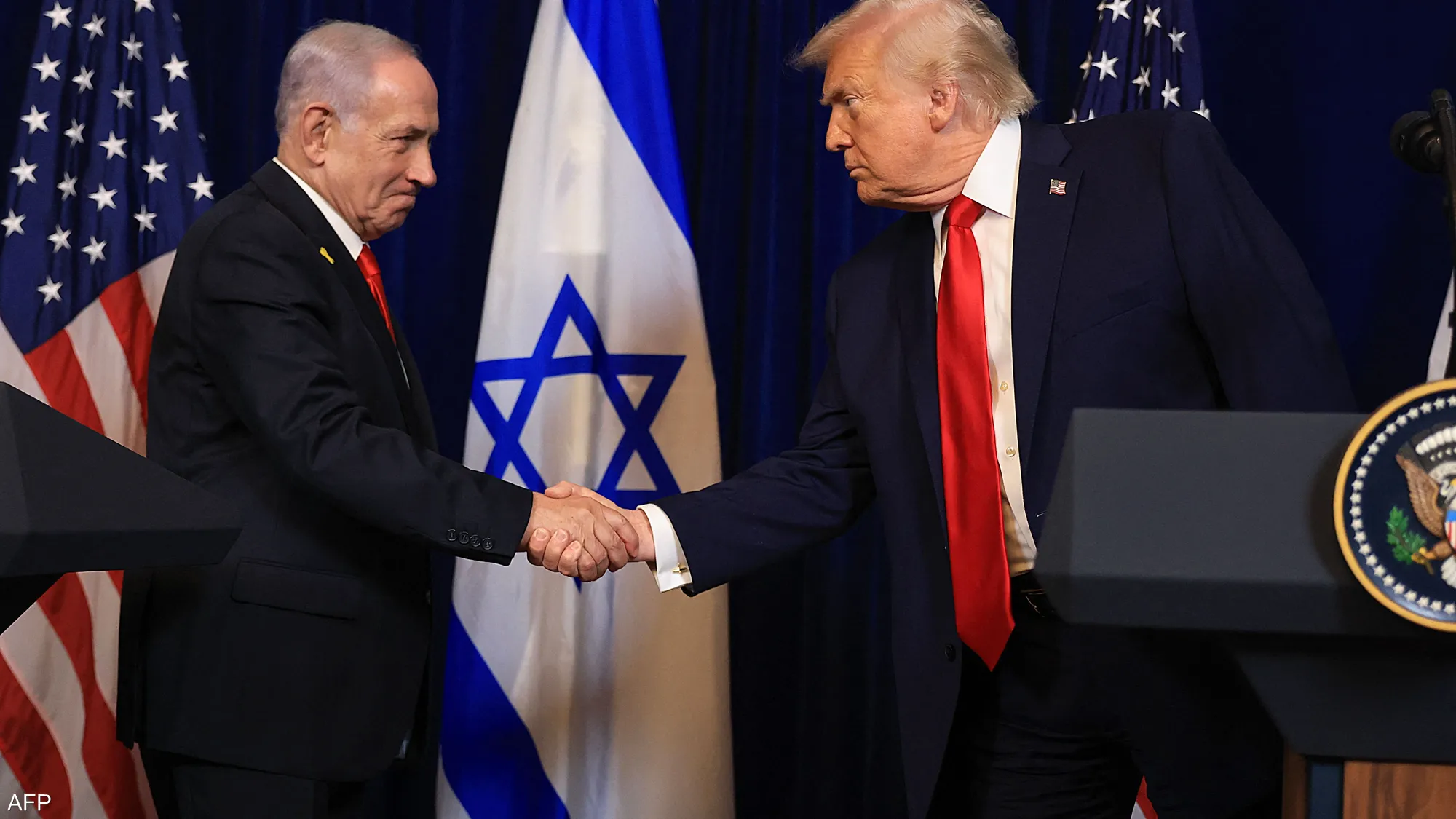
Washington, D.C. (Diplomat.so) – United States President Donald Trump and Israeli Prime Minister Benjamin Netanyahu discussed Iran nuclear negotiations in a tense phone call on Tuesday, May 19, linking Washington and Tel Aviv as regional mediators pushed revised diplomatic proposals and both leaders clashed over the direction of talks and security priorities.
The call focused on renewed efforts to reach a potential framework with Tehran, while exposing widening differences between U.S. and Israeli strategies regarding pressure, negotiation, and military options.
Reporting attributed to Axios and sources familiar with the conversation indicated that Netanyahu strongly objected to the emerging diplomatic track and expressed frustration with the prospect of a renewed agreement.
One source described the Israeli leader as deeply angered after the call, saying Netanyahu "was very angry” following the exchange. Trump, according to a U.S. official familiar with the discussion, reiterated his belief that an agreement remains achievable but warned that military action could return to consideration if negotiations collapse.
Regional diplomatic activity has intensified in parallel, with Pakistan, Qatar, Saudi Arabia, Türkiye, and Egypt involved in attempts to narrow gaps between Washington and Tehran. Officials said these efforts aim to refine earlier proposals and consolidate overlapping drafts into a more structured framework. A source involved in the process noted that mediators are trying to reduce "key differences on verification and sequencing,” while maintaining channels open between both sides.
Iran’s Foreign Ministry confirmed that indirect negotiations continue under what it described as a 14-point proposal framework originating from Tehran. Officials also confirmed the recent visit of Pakistan’s interior minister to Tehran for a second round of discussions within a week, underscoring Islamabad’s active mediation role. The ministry emphasized that talks remain focused on nuclear commitments and sanctions-related mechanisms.
A U.S. official familiar with the call said Trump informed Netanyahu that mediators are working on a "letter of intent” that could be signed by Washington and Tehran, initiating a 30-day negotiation window addressing Iran’s nuclear program and maritime security issues. Diplomatic sources stressed the draft remains preliminary and subject to significant revision.
The exchange highlights growing divergence between Israeli security assessments and U.S. diplomatic calculations at a critical stage in negotiations. Analysts note that Israel continues to prioritize a more coercive posture toward Iran, while Washington is pursuing a structured diplomatic timeline involving phased commitments and economic considerations.
Mediation efforts continue amid persistent uncertainty over whether competing demands can be reconciled, while regional actors work to prevent escalation and simultaneously shape the contours of a possible agreement.