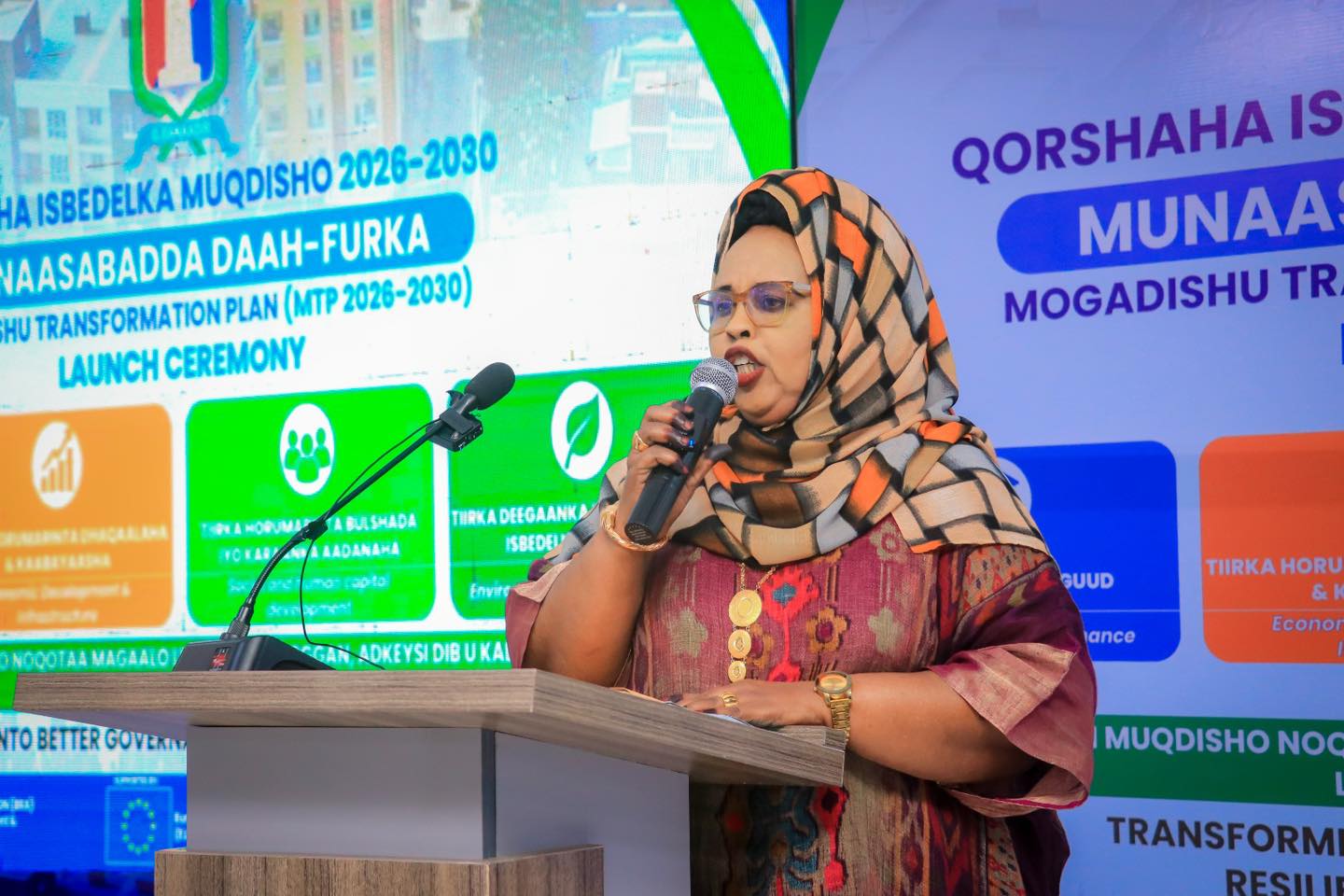
Mogadishu (Diplomat.so) - The State Minister of Health of the Federal Government of Somalia, Maryan Mohamed Hussein, on Thursday announced that federal health authorities and international partners opened a coordination meeting in Mogadishu to strengthen preparedness against the potential spread of Ebola into the Horn of Africa amid a growing outbreak in eastern Democratic Republic of Congo and Uganda.
The meeting, held at the National Institute of Health in Mogadishu, brought together senior health officials, humanitarian partners, and disease surveillance experts to review national readiness plans, border monitoring systems, and emergency response protocols designed to detect and contain potential infectious disease threats.
Maryan Hussein said the coordination effort was part of broader preventive health measures being strengthened across the country. She stressed that early action was essential to reduce the risk of cross-border transmission.
"Ebola poses a serious threat to human life, and it is important that we warn and educate our communities before any possible cross-border transmission occurs,” Maryan said during the briefing attended by health officials and partner organizations.
A senior official from the Federal Ministry of Health, speaking on condition of attribution, said surveillance systems at airports and border crossings were being reviewed and reinforced. "We are increasing preparedness at all entry points, including training health workers to identify and respond quickly to suspected cases,” the official said.
Health workers at the venue were seen reviewing case detection protocols and emergency response checklists, while representatives from partner organizations discussed risk communication strategies aimed at high-mobility communities and remote border areas.
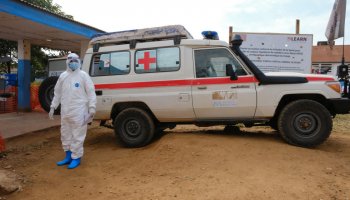
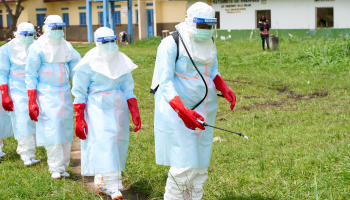
The coordination meeting comes after the World Health Organization (WHO) declared the Ebola outbreak in the Democratic Republic of Congo a public health emergency of international concern. The outbreak involves the rare Bundibugyo strain of Ebola, which has no approved vaccine, according to global health assessments.
Medical experts note that Ebola symptoms typically appear within two to 21 days after infection and begin with fever, fatigue, and headache, later progressing to vomiting, diarrhoea, and in severe cases, internal and external bleeding. The virus spreads through direct contact with infected bodily fluids.
A public health specialist working with regional disease surveillance programs told Diplomat News Network that Somalia’s early coordination efforts reflect lessons learned from previous outbreaks in Africa. "Rapid preparedness is critical because delayed detection can allow infectious diseases to spread across borders undetected,” the specialist said.
In eastern Democratic Republic of Congo, authorities continue to report challenges in controlling the outbreak due to insecurity, displacement, and limited access to affected communities. Health officials there have also highlighted the role of unsafe burial practices in accelerating transmission.
Somali health authorities said they plan to expand awareness campaigns targeting transport corridors, border communities, and healthcare facilities to improve early reporting of suspected cases. Officials also confirmed ongoing collaboration with regional and international health agencies.
Public health analysts warn that Somalia’s fragile healthcare infrastructure and high population mobility could increase vulnerability if imported cases are not detected early. However, they also note that coordinated preparedness efforts may significantly reduce outbreak risks if sustained effectively.