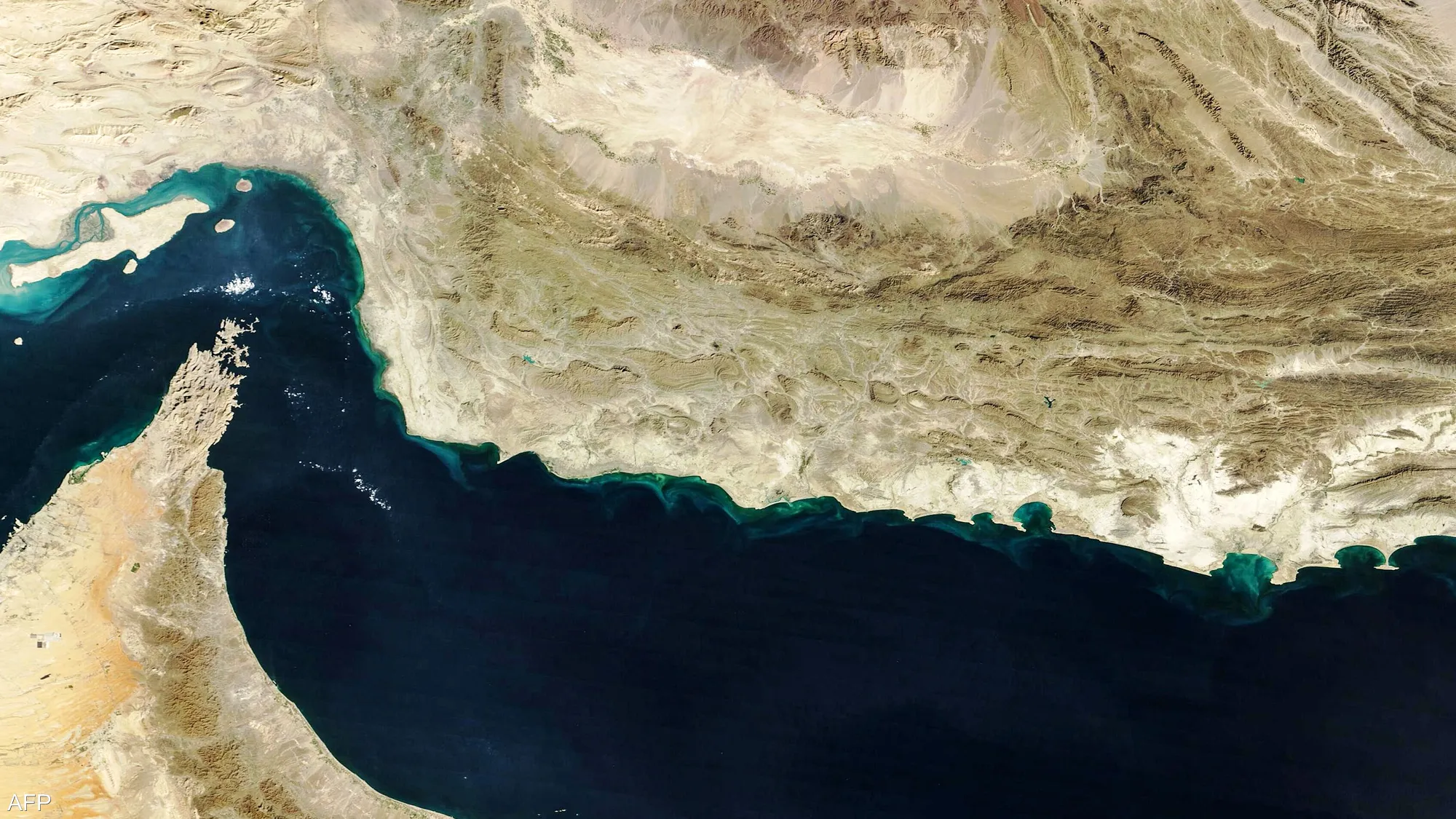
Bandar Abbas (Diplomat.so) - Tasnim News Agency reported that Iran's naval forces responded to alleged United States attacks on oil tankers near the Strait of Hormuz on Thursday night, May 7, amid a brief exchange of fire that was later followed by a reported lull in hostilities.
The military source stated that Iranian forces acted after what it described as hostile American actions against Iranian maritime assets, before both sides reportedly paused direct engagements while maintaining heightened readiness in the strategic waterway.
Naval Clashes
According to a military source cited by Tasnim News Agency, Iranian naval units engaged in defensive operations after US forces allegedly targeted Iranian oil tankers operating in the Persian Gulf region. The source said Iranian forces responded to what it called a violation of a ceasefire arrangement, describing the exchange as limited but significant before operations were halted.
"After some exchange of fire, the clashes have stopped and the atmosphere is calm,” the source said, adding that Iranian naval units remain on alert for further developments.
The same source warned that renewed US naval activity near Iranian vessels could trigger another round of escalation. It emphasized that Iran’s response posture remains unchanged, describing any future interference as likely to receive what it termed a "decisive response.”
No independent confirmation of damage or casualties has been provided by US authorities, and the Pentagon has not issued a detailed public assessment of the reported engagement at the time of publication.
Escalatory Messaging
US President Donald Trump, speaking to reporters on Thursday, said Washington would respond with greater force if Iran failed to reach an agreement with the United States, framing the situation as part of ongoing negotiations.
"We will strike Iran with far greater force if they do not sign a deal soon,” Trump said, adding that the United States was simultaneously engaged in diplomatic discussions while maintaining military readiness in the region.
In separate remarks, Trump described US naval activity in the Strait of Hormuz as having proceeded under fire but without damage to American vessels. He said, "Our destroyers passed successfully through the Strait of Hormuz under fire,” while claiming Iranian forces suffered greater losses in return engagements.
The US military stated that its Central Command conducted what it described as defensive strikes against Iranian positions, including missile and drone launch sites and command-and-control facilities. It said these actions followed what it called unprovoked hostile activity against American forces operating in the region.
A US defense statement noted that no American assets were damaged during the exchange and reiterated that Washington did not seek escalation while reserving the right to protect its forces.
Iranian Strategic Messaging on Hormuz
Iranian political figures issued strong statements regarding the Strait of Hormuz, a critical global energy corridor. A senior adviser to Iran’s Supreme Leader said the waterway represents a strategic leverage point comparable in significance to a nuclear deterrent.
"The Strait of Hormuz is as significant as an atomic bomb,” the adviser said, according to Iranian media. "We will never lose the Strait of Hormuz.”
The adviser also warned regional adversaries, stating that the United Arab Emirates would face further consequences if tensions escalate. The remarks reflect Iran’s long-standing position that it maintains operational control and deterrence capacity in the maritime chokepoint through which a significant portion of global oil shipments transit.
Iranian officials have repeatedly framed the Strait as a strategic asset capable of influencing global energy markets, particularly during periods of heightened military tension.
Nuclear Facility Operations
Russia’s state nuclear corporation Rosatom confirmed that the Bushehr nuclear power plant in southern Iran continues to operate normally despite regional tensions.
Rosatom President Alexey Likhachev said the situation at the facility remains stable, with no reported attacks on surrounding infrastructure. He confirmed that the plant’s first reactor unit is operating at full capacity.
Likhachev added that Rosatom is prepared to resume full staffing in Iran if conditions remain stable and outlined plans for the delivery of reactor equipment for Bushehr Unit 2 beginning in 2027.
"The construction site is gradually returning to normal operations, with approximately 2,200 local employees now back at work,” he said.
The confirmation of continued operations at Bushehr is being closely monitored by regional observers given the facility’s proximity to areas of maritime tension.
Iranian Government Response
Iran’s Ministry of Foreign Affairs spokesperson, Esmaeil Baqaei , said the recent military activity constitutes a violation of international law and ceasefire understandings. He stated that Iranian armed forces responded proportionally to what he described as external aggression.
"Our armed forces are fully prepared and are closely monitoring the situation,” Baqaei said. "Where necessary, they will respond with full strength to any aggression.”
Separately, Iran’s Deputy Minister of Security and Law Enforcement said border conditions across the country had improved significantly and that national security remains stable despite regional tensions. He noted that land and maritime border operations, including customs activity, continue without disruption.
Diplomatic Context
US and Iranian officials continue to exchange proposals aimed at de-escalating the conflict, though core disagreements remain unresolved. Washington has sought restrictions on Iran’s nuclear program, while Tehran has emphasized sovereignty over its energy and maritime infrastructure.
Diplomatic sources cited in Iranian state-linked media, including reporting referenced by Diplomat News Network, indicate that Tehran is reviewing its response to recent US proposals aimed at reducing military confrontation.
The proposals reportedly include phased de-escalation measures but leave key nuclear and maritime disputes unresolved, particularly concerning Iran’s enrichment activities and control over strategic shipping lanes.
Regional and Economic Implications
The Strait of Hormuz remains one of the world’s most critical energy transit points, with estimates indicating that roughly one-fifth of global oil supplies pass through the waterway. Any sustained disruption carries potential implications for global energy prices and maritime insurance costs.
Analysts monitoring the situation note that even limited naval exchanges in the region can have disproportionate economic impacts due to market sensitivity and shipping risk premiums.
While both Washington and Tehran have publicly stated they do not seek full-scale escalation, the continued exchange of warnings, defensive strikes, and strategic messaging suggests a fragile security environment with limited predictability.
Diplomatic efforts remain ongoing, but the convergence of military signaling and unresolved geopolitical disputes continues to shape the stability of maritime routes in the Persian Gulf region.