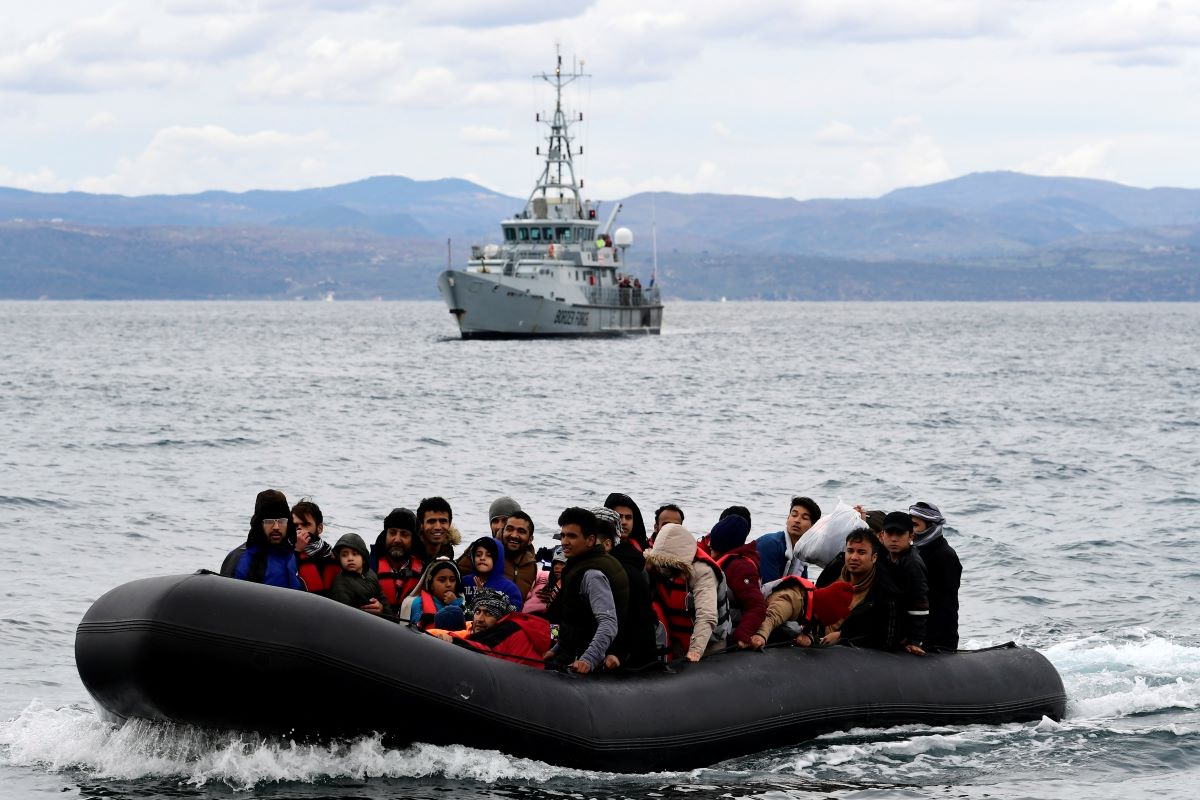
Athens, Greece (Diplomat.so) - The Hellenic Coast Guard intercepted 65 foreign nationals across two separate maritime incidents on Friday, 26 June, involving landings on Gavdos and the southern coast of Crete, with authorities detaining a suspected 17-year-old smuggler linked to one of the arrivals.
The Hellenic Coast Guard said its units responded to coordinated alerts late Thursday and early Friday as irregular migrant boats reached "Trypiti” Beach on Gavdos and the Koudoumas Monastery shoreline in the municipality of Gortyna, southern Crete. Thirty people were found on Gavdos, while 35 others, including three minors, arrived in Crete, bringing the combined total to 65 individuals processed by port authorities.
On Gavdos, coast guard officers located 30 migrants—29 men and one woman—who were first transferred to a temporary municipal shelter before being moved by patrol vessel to Chora Sfakion and later to an accommodation facility in Agia, Chania. Officials involved in the operation described "high coordination under pressure” as reception points reached capacity during simultaneous arrivals.
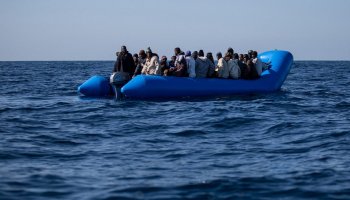
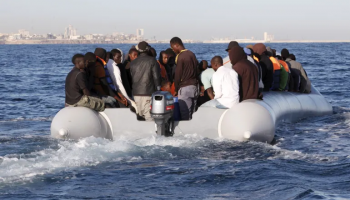
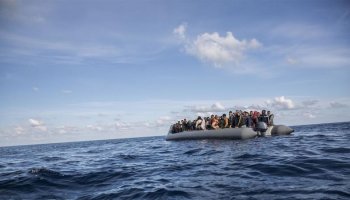
In southern Crete, port authorities in Heraklion were alerted shortly before dawn that an inflatable vessel had landed near the Koudoumas Monastery. Authorities confirmed the presence of 35 migrants, including women and minors, who were escorted by police to Heraklion port for identification procedures and medical checks.
Investigators said the group reported departing from the Tobruk region of Libya on 23 June, after paying between 7,500 and 14,000 Libyan dinars per person for passage. Based on prevailing exchange estimates, this equates to roughly USD 1,400 to USD 2,900 per person, depending on conversion conditions and informal transfer rates used in smuggling networks operating along the central Mediterranean route.
A 17-year-old South Sudanese national was detained in connection with the Crete landing on suspicion of facilitating illegal entry. Port officials stated that he is believed to have played a role in coordinating the voyage, although the investigation remains ongoing under the Heraklion Central Port Authority.
A coast guard officer involved in the Gavdos response, speaking on condition of attribution, said "the simultaneous landings stretched available reception capacity, but procedures were completed without operational disruption.” A local municipal representative in Gortyna separately noted that "the arrival of families and minors required immediate humanitarian coordination on the beach before transport to formal facilities.”
The incidents underscore sustained pressure on Greece’s southern maritime frontier, where Gavdos and southern Crete have become recurring entry points for migrants departing North Africa. Officials and analysts have linked the pattern to shifting smuggling routes from Libya’s coastal regions, particularly around Tobruk and eastern departure zones, where organized networks continue to operate despite maritime patrol efforts.
Diplomatic and security observers say the repeated use of inflatable boats highlights both the vulnerability of long sea crossings and the increasing reliance on low-cost, high-risk transport methods by smuggling groups. Local authorities continue to assess processing capacity and shelter availability as arrivals remain sporadic but persistent along the southern Aegean corridor.