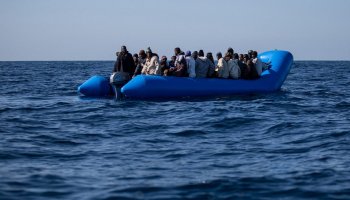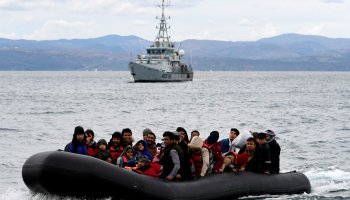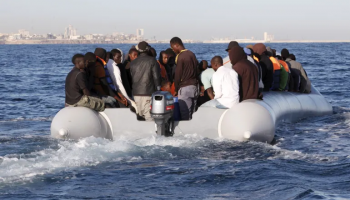
Sirte (Diplomat.so) - Libyan Coast Guard intercepted a vessel carrying 38 irregular migrants north of Sirte on Sunday, 21 June, about 120 nautical miles offshore in central Mediterranean waters during patrol operations.
The General Administration for Coastal Security said maritime units detected the boat during routine surveillance operations and moved to intercept it before it could continue its course toward the central Mediterranean migration corridor.
Authorities confirmed that all 38 migrants were safely brought aboard patrol vessels and transferred to Sirte maritime port, where they received initial humanitarian assistance, including medical checks and basic support, before being referred to Libya’s Anti-Illegal Migration Authority for further legal procedures.
The rescue operation comes amid intensified maritime monitoring along Libya’s coastline, a key departure point for irregular migration toward Europe. Libyan authorities have repeatedly stated that patrols are aimed at both saving lives at sea and disrupting smuggling networks operating along the central Mediterranean route.
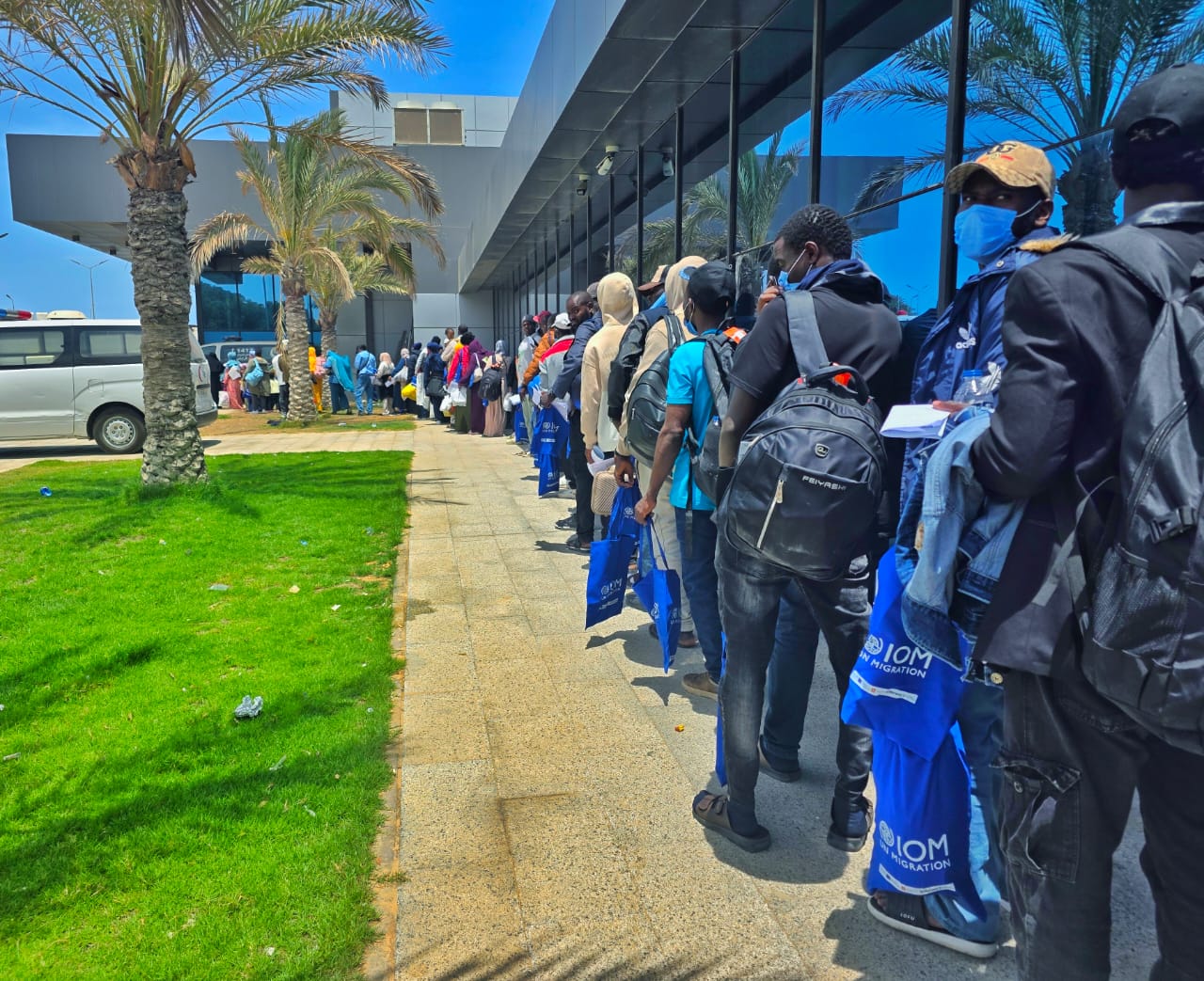
In parallel developments, the International Organization for Migration (IOM) reported that 687 migrants returned voluntarily from Libya between 12 and 22 June through four assisted flights to Chad, Mali, and Nigeria. The organization said the returns were carried out under its voluntary humanitarian return program in coordination with national authorities and international partners.
Additional departures earlier in June included 150 Gambians and 182 Nigerians, as well as a group of 162 Chadian nationals who returned to N’Djamena from Benghazi in coordination with the Chadian government and its consular mission. The IOM stated: "The medical and protection assistance provided ensured a safe and dignified journey for all beneficiaries,” adding appreciation for support from the European Union.
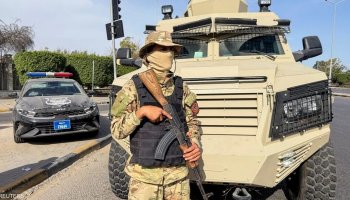
Field accounts continue to highlight precarious conditions faced by migrants inside Libya. Ibrahim, a 24-year-old Guinean migrant, described heightened fear during enforcement operations, saying: "There is a real hunt against black people currently in Libya. Armed police surround areas with armoured vehicles. They break doors and arrest black people.” His testimony reflects recurring reports from humanitarian actors documenting large-scale raids in urban and coastal areas.
A Bangladeshi migrant, speaking in a separate account recorded, said detainees were subjected to abuse in detention settings: "We were all locked up… they did not give us food and beat us. They asked for our families’ phone numbers and made video calls demanding money while beating us.”
Since the 2011 collapse of state institutions, Libya has remained a major transit hub for migration flows across North Africa. Security fragmentation and the presence of smuggling networks have contributed to persistent movement toward the Mediterranean coast. Humanitarian estimates indicate that more than 800,000 migrants are currently present in Libya, with Sudanese nationals forming the largest group of asylum seekers amid ongoing conflict-driven displacement.
The overlapping dynamics of sea interceptions, voluntary returns, and continued migration pressure underscore Libya’s position as both a transit and containment zone, where humanitarian operations and enforcement measures continue to operate simultaneously under complex and often unstable conditions.