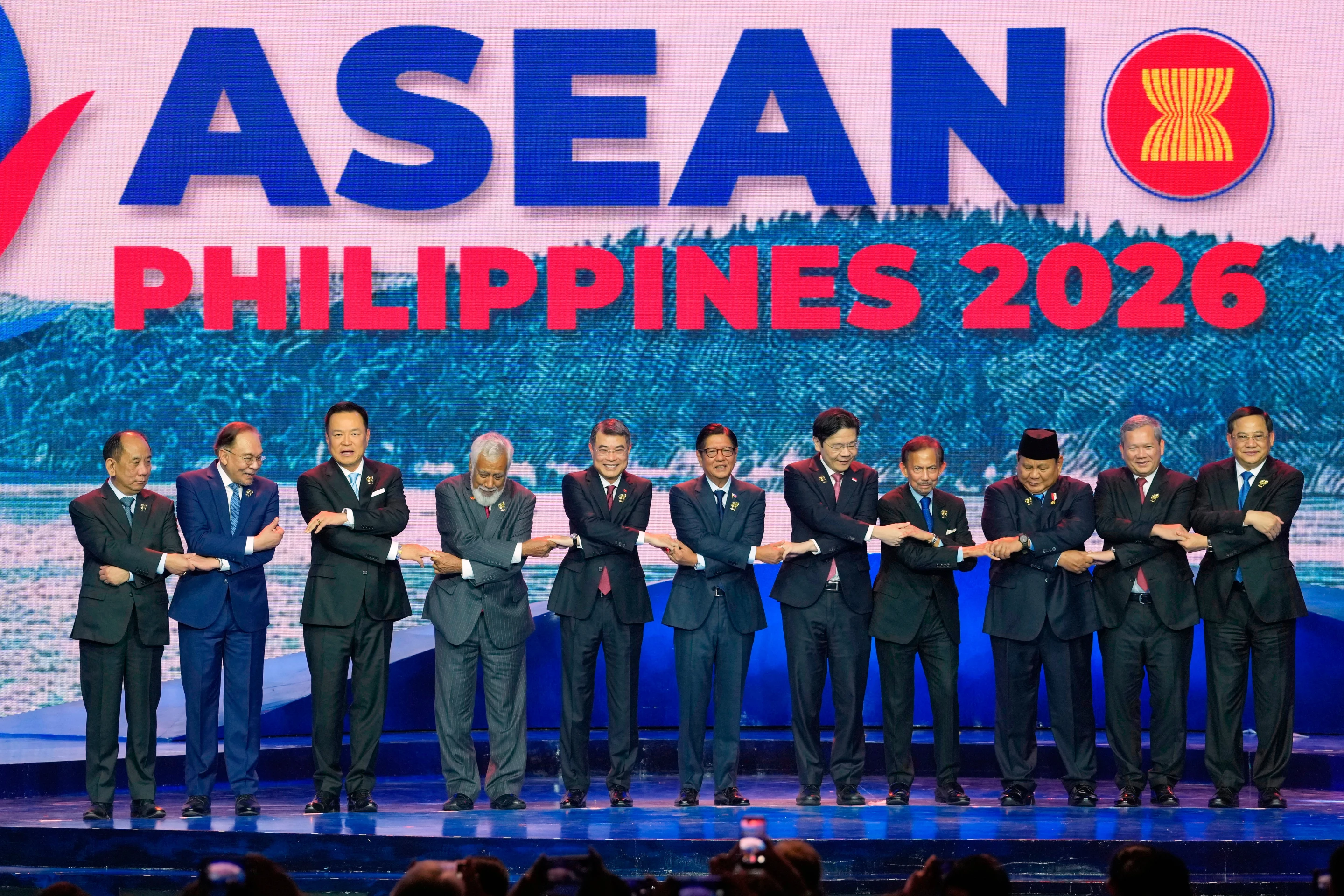
Cebu, Philippines (AP + Diplomat.so) - Association of Southeast Asian Nations leaders adopted a regional contingency plan on Friday, May 8, aimed at reducing the economic and energy impact of the Iran war on Southeast Asia during a summit hosted by the Philippines in Cebu province.
Philippine President Ferdinand Marcos Jr. said ASEAN member states agreed to accelerate emergency coordination measures, including plans for a regional fuel-sharing mechanism, a cross-border electricity grid, and broader diversification of crude oil suppliers as energy markets remain volatile following continuing hostilities involving Iran, Israel, and the United States.
"The leaders are committed to making this succeed because everyone is suffering and everyone wants to get out of this situation,” Marcos told reporters after the summit, noting that implementation of a regional fuel reserve system would require complex logistical coordination among member states.
Delegates arriving at the summit venue in Cebu described a subdued atmosphere compared with previous ASEAN gatherings. Security checkpoints were visible around the convention area, and organizers scaled back ceremonial events amid concerns over rising fuel costs and slowing regional growth. Small groups of demonstrators gathered outside the venue calling for stronger protections for overseas workers in the Middle East.
ASEAN’s emergency framework includes measures to promote electric vehicles, explore civilian nuclear energy options, and strengthen information-sharing during crises affecting global supply chains. Officials said the bloc could move toward ratifying an energy-sharing agreement later this year.
Thailand’s Foreign Minister Sihasak Phuangketkeow expressed concern over instability around the Strait of Hormuz, a critical shipping corridor for global oil exports. "This war should not have occurred in the first place,” he said in remarks monitored by Diplomat News Network, adding that ASEAN governments remained alarmed by the risk of renewed escalation.
A senior Philippine energy official, speaking during a briefing attended by regional journalists, said fuel prices in several Southeast Asian economies had risen sharply since military strikes began earlier this year. Economists at the summit warned that prolonged disruptions could increase transportation costs, weaken manufacturing output, and place additional pressure on household spending across the region.
The summit also addressed the potential evacuation of Southeast Asian nationals working in the Middle East. ASEAN leaders issued a joint declaration calling for stronger coordination with international organizations to protect citizens in conflict-affected areas.
Regional analysts said the Iran conflict has exposed Southeast Asia’s dependence on imported energy and vulnerable maritime trade routes. ASEAN’s proposed energy cooperation measures, though long discussed, gained renewed urgency as governments confront inflationary pressures and uncertainty in global commodity markets.
Beyond the Middle East crisis, leaders also discussed disputes in the South China Sea, Myanmar’s ongoing civil conflict, and recent border tensions between Thailand and Cambodia, underscoring broader regional security concerns facing the 11-member bloc.