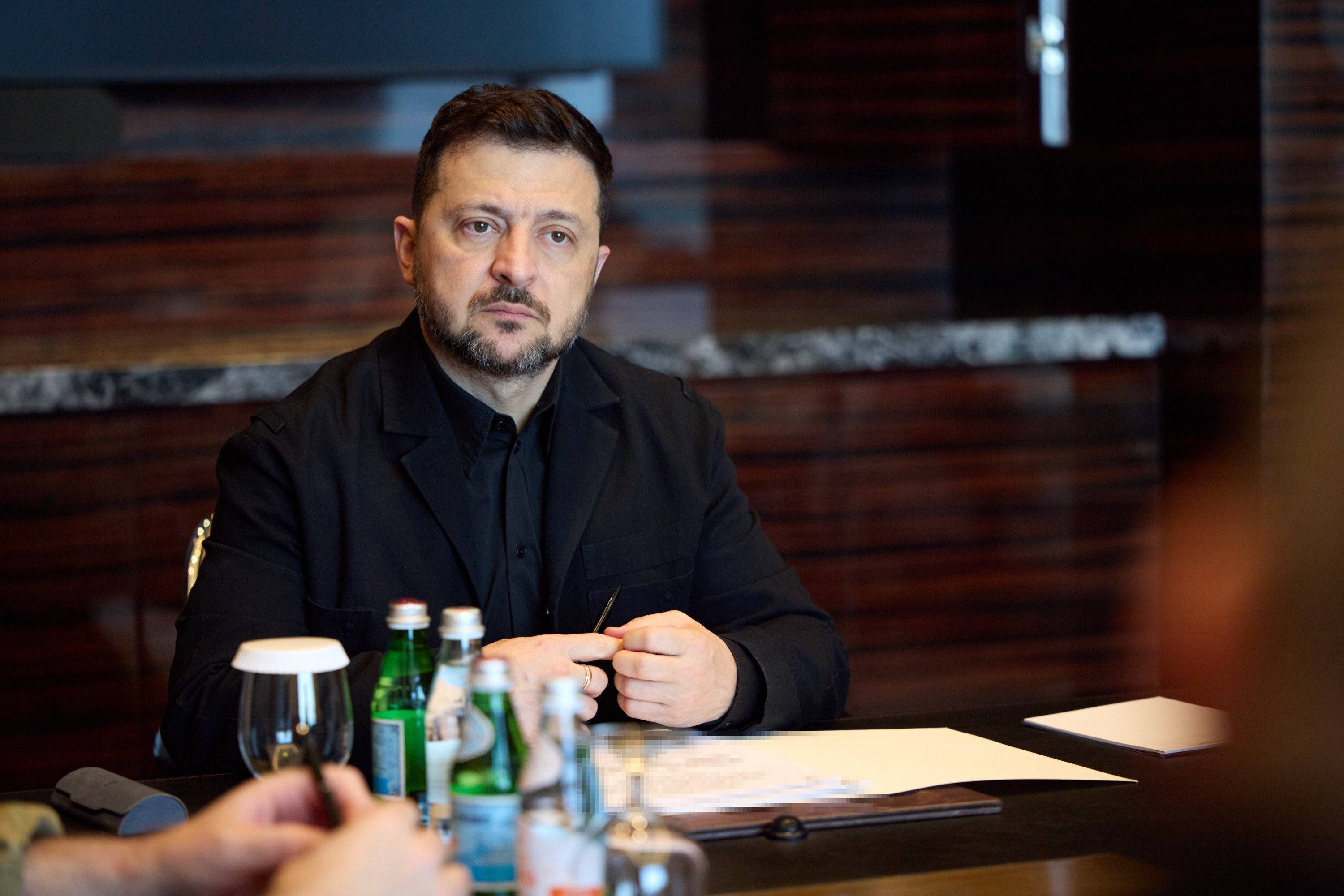
Kyiv (Diplomat.so) - Volodymyr Zelenskyy, President of Ukraine, warned representatives of Russia-aligned countries against attending Moscow's Victory Day celebrations amid escalating Ukraine-Russia tensions in Kyiv on Thursday, May 7, official statement delivered.
His remarks come as Moscow prepares for its annual 9 May military parade under heightened security conditions, while diplomatic exchanges intensify between Kyiv, Washington, and European partners over prisoner negotiations, ceasefire claims, and ongoing defense cooperation initiatives.
Ukrainian officials say the timing of foreign attendance at the commemorations carries political implications as the war continues along multiple active front lines.
Zelenskyy’s statement added new diplomatic pressure on states considering participation in Moscow’s commemorations, which Russia frames as a central national event marking the Soviet victory in World War II. Ukrainian authorities argue that the symbolism of attendance during active conflict risks legitimizing Moscow’s wartime posture.
Warnings Ahead of Moscow Victory Day
Zelensky described planned attendance by officials from Russia-aligned states as ill-timed, urging caution in light of the ongoing conflict and security risks surrounding the Russian capital’s annual parade. "We do not recommend it,” Zelensky said, according to remarks cited by Diplomat News Network. He said several foreign governments had informed Kyiv of invitations or participation intentions, though details were not independently verified.
Public reactions in Kyiv remained mixed, with residents expressing concern about continued hostilities while also noting the symbolic importance of Victory Day in regional memory politics.
Ceasefire Skepticism
Ukraine has expressed skepticism over Russia’s unilateral ceasefire announcement tied to Victory Day, arguing that previous temporary pauses in fighting have not consistently translated into reduced hostilities. Russian authorities separately warned foreign missions in Kyiv to prepare contingency evacuation plans, citing potential risks during the commemorations. Military observers have reported continued activity along multiple front-line sectors, though independent verification remains limited due to restricted access in active conflict zones.
Ukrainian officials emphasized that any ceasefire announcements would be assessed based on real-time battlefield developments rather than formal declarations alone.
Diplomatic Engagement
Zelensky outlined ongoing discussions involving Rustem Umerov, Secretary of Ukraine’s National Security and Defence Council, who is meeting U.S. envoys to advance humanitarian, diplomatic, and security priorities. He said prisoner exchanges remain a key focus alongside efforts to maintain communication channels with Washington and European partners. Zelensky also highlighted defense cooperation discussions, including drone-related agreements aimed at strengthening Ukraine’s technological capabilities.
European diplomatic sources indicate ongoing coordination efforts aimed at maintaining unified positions on sanctions policy and humanitarian aid, although no formal policy shifts were announced. Officials also noted that humanitarian coordination remains one of the few sustained channels of dialogue between Kyiv and Western partners.
Russian Security Advisories
The Kremlin has intensified security measures in Moscow ahead of the May 9 parade, which marks the 80th anniversary of the Soviet victory in World War II and is expected to draw international attention. Officials have issued warnings regarding potential escalation risks, while foreign policy observers note heightened diplomatic signalling between Moscow and Kyiv.
Crowds are expected to gather in central Moscow for rehearsals and commemorative events, with security personnel deployed across key public areas to manage attendance and traffic flow.
Escalation Risks
Analysts view the exchange of statements as part of broader information warfare efforts, where ceremonial events are leveraged for strategic messaging and alliance signalling.
Security analyst Valentina Nikolai told Diplomat News Network that both sides are using symbolic dates to influence international perception and domestic morale. The evolving diplomatic environment underscores continued uncertainty over ceasefire prospects and the broader trajectory of the conflict.
Experts note that Victory Day has increasingly become a platform for competing narratives between Russia and Western-aligned states, particularly in the context of the ongoing war in Ukraine.
Outlook
The coming days around Victory Day are expected to remain diplomatically sensitive, with both Kyiv and Moscow maintaining firm positions while international actors monitor potential shifts in military and diplomatic dynamics.
Analysts say diplomatic signalling is likely to intensify as international stakeholders assess the implications of commemorative events on broader negotiations and security dynamics across the wider region.