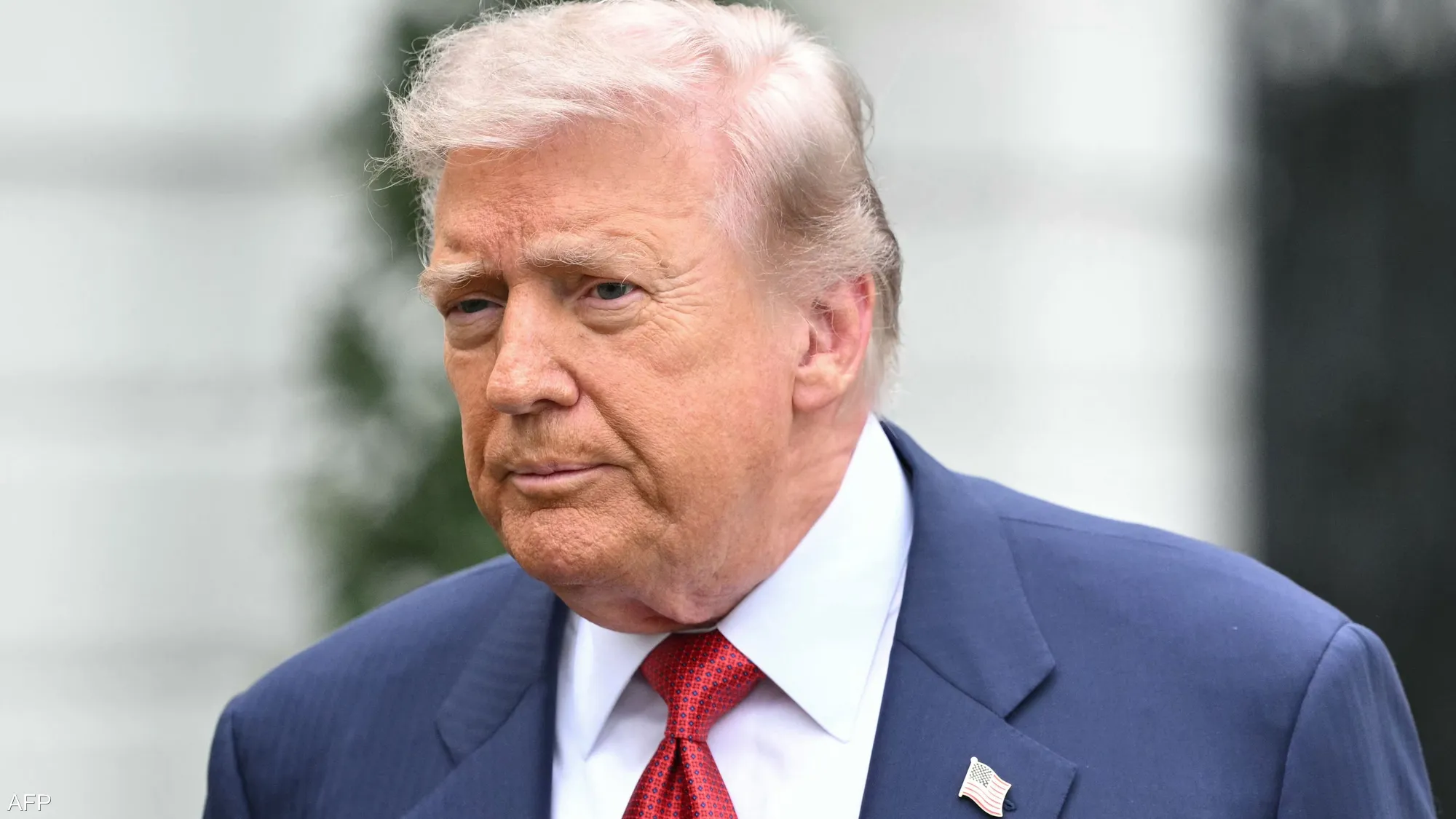
Washington, D.C. (Diplomat.so) - U.S. President Donald Trump on Sunday rejected Iran's response to a U.S.-backed proposal aimed at ending the Middle East conflict, saying the reply delivered through Pakistani mediation was "completely unacceptable" amid continuing regional tensions.
Trump wrote on his Truth Social platform that he had reviewed the Iranian position and dismissed it without elaborating on potential next steps. His comments came nearly one month after a ceasefire took effect in the conflict launched on Feb. 28 involving the United States and Israel against Iran-backed targets across the region.
Iranian state news agency IRNA confirmed Sunday that Tehran had submitted its response through Pakistan, while the semi-official ISNA agency reported that the proposal focused on ending the war and restoring maritime security in the Gulf and the Strait of Hormuz.
According to details reported by U.S. media outlets and echoed by Iranian agencies, Tehran’s proposal did not fully meet Washington’s demands regarding Iran’s nuclear program and stockpile of highly enriched uranium. The reported framework included reducing enrichment levels for part of Iran’s uranium reserves and transferring remaining stockpiles to a third country. It also proposed suspending uranium enrichment for a period of less than 20 years.
Iran’s semi-official Tasnim News Agency, citing an informed source, said Tehran’s response emphasized an immediate end to fighting "on all fronts,” the lifting of U.S. sanctions, and guarantees against future military attacks on Iranian territory. The proposal also reportedly called for the removal within 30 days of sanctions imposed by the U.S. Office of Foreign Assets Control on Iranian oil sales.
"The proposal stresses the necessity of ending the naval blockade imposed on Iran and reopening maritime routes gradually,” the source told Tasnim, according to remarks monitored by Diplomat News Network.
"The concern here is whether shipping insurance and fuel exports will normalize again,” said Amir Dariush, a shipping analyst based in Tehran. "Any instability in Hormuz immediately affects energy markets and freight costs globally.”
The Strait of Hormuz remains a critical flashpoint between Washington and Tehran because nearly a fifth of global oil shipments pass through the narrow waterway. Iranian authorities have previously introduced maritime payment mechanisms for vessels transiting the strait, prompting stronger U.S. naval measures and tighter restrictions on Iranian ports.
Security analysts say the dispute carries wider geopolitical implications for Gulf energy markets, regional shipping lanes, and ongoing negotiations surrounding Iran’s nuclear activities. Despite the current ceasefire, officials in Washington and Israel reiterated Sunday that military options remain under consideration if diplomatic efforts fail.