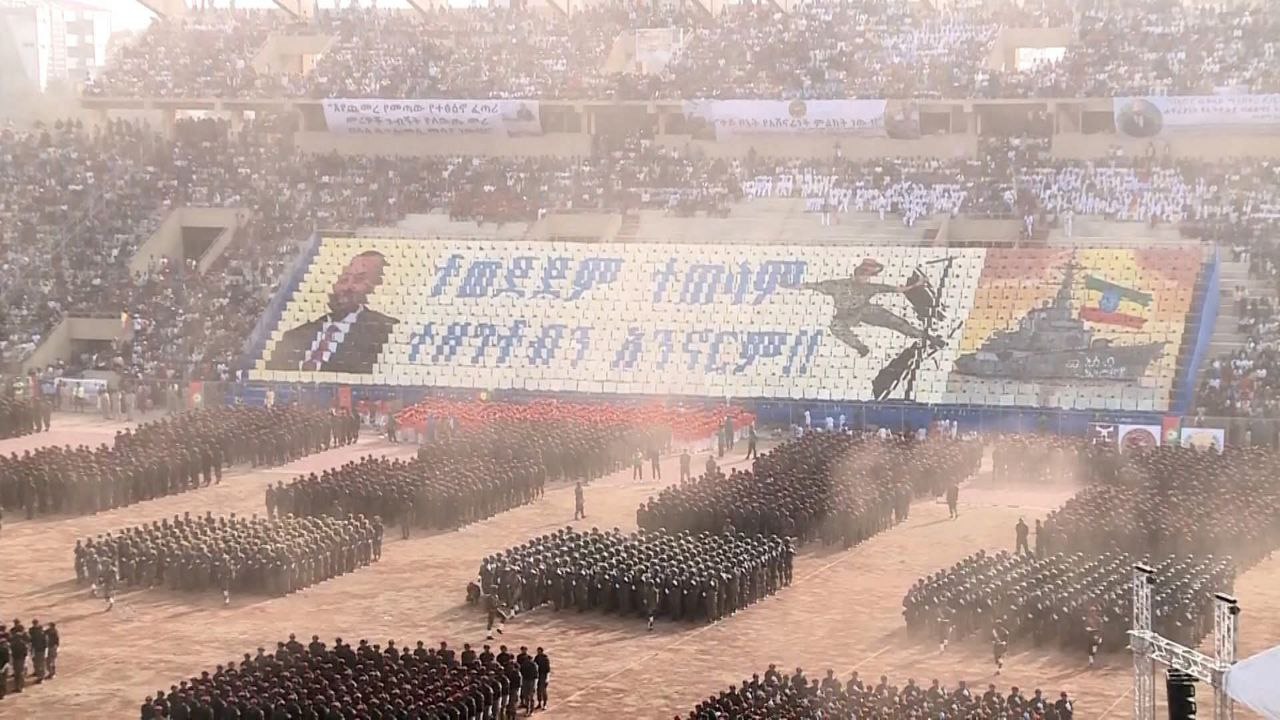
Addis Ababa (Diplomat.so) - Tensions in northern Ethiopia have entered a new and volatile phase as Ethiopia and Eritrea dispatch additional troops and heavy equipment toward the Tigray Region frontier.
Regional diplomats say the accelerating troop buildup reflects a broader approach by Prime Minister Abiy Ahmed, who is confronting mounting internal pressures while presenting Ethiopia’s pursuit of Red Sea access through Assab as essential to national unity and his own political survival. They note that the scale and urgency of the deployments show how domestic instability and external ambitions are becoming intertwined, pushing northern Ethiopia into an increasingly fragile and unpredictable period.
Officials familiar with recent ground assessments say heavily armed Ethiopian convoys have been moving north throughout February, accompanied by new defensive positions and heightened military activity around key access roads. Eritrean reinforcements have also been observed on the opposite side of the border.
Diplomats describe the combined movements as "coordinated and deliberate,” suggesting preparations that go far beyond post-ceasefire security routines.
Residents in border districts report an increased presence of Eritrean commanders inside parts of Tigray—echoing long-standing claims that sections of the region never fully returned to federal Ethiopian administration after the 2022 peace agreement. These reports have intensified public suspicion that a new confrontation may be taking shape under the surface.
Domestic pressure is also contributing to the escalating climate. Analysts say Abiy’s government is under strain as federal forces lose territory to Amhara Fano fighters, weakening Addis Ababa’s influence in parts of the Amhara region. In this environment, some regional observers believe Abiy may be presenting the Red Sea question as a unifying national mission, hoping to consolidate fragmented political blocs under a renewed narrative of external threat and historical entitlement.
At the same time, humanitarian indicators are worsening. Aid convoys carrying food and medicine into Tigray have been halted for weeks, despite federal denials of imposing a blockade. Transport unions say the army’s widespread use of civilian trucks for military logistics has disrupted commercial supply routes, creating a shortage of vehicles and driving up the cost of essential goods across northern markets.
International calls for restraint are growing. Tedros Adhanom Ghebreyesus, Director-General of the World Health Organization, appealed for an immediate return to political dialogue, warning that "the humanitarian consequences of another conflict would be severe and long-lasting.”
Diplomats caution that the crisis now intersects with broader regional tensions. Sudan continues to host Tigrayan fighters in Qadarif, while Ethiopia maintains ties with elements linked to the Rapid Support Forces. These overlapping alliances and rivalries have created an increasingly volatile environment in which a single miscalculation could ignite a regional confrontation far larger than Tigray itself.