Mogadishu (Diplomat.so) - Ministry of Defence of the Federal Republic of Somalia welcomes United Nations annual report A/80/723-S/2026/357 on Children and Armed Conflict confirming removal of Ahlusunnah wal Jamaah (ASWJ) from child recruitment list on Wednesday, June 24.
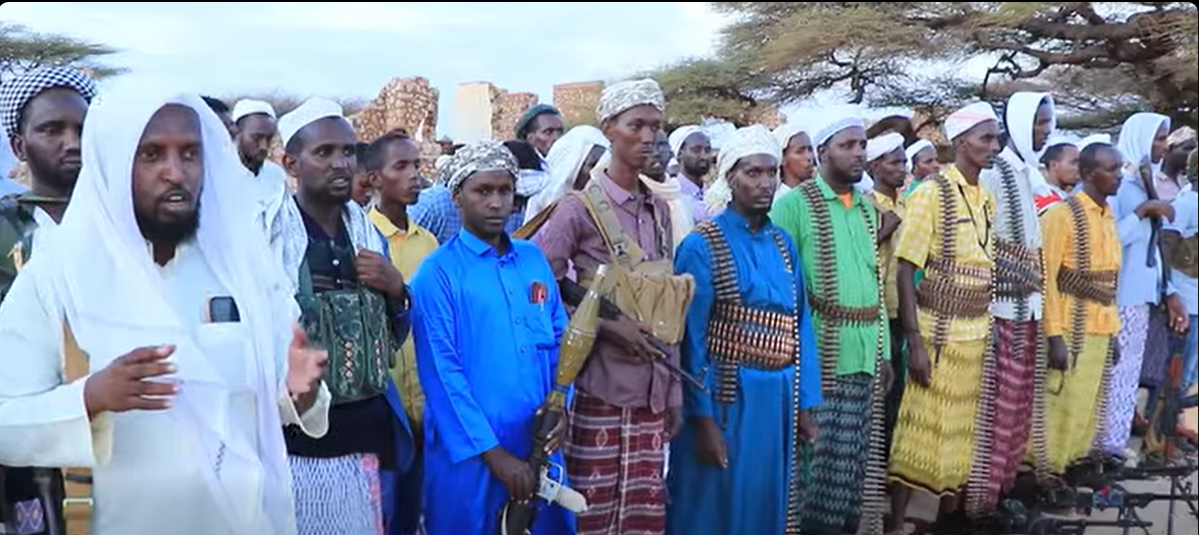
The Ministry of Defence said the UN finding reflects a formal reassessment of ASWJ’s status after concluding that the group no longer operates as an independent armed entity and its former members have been integrated into Somalia’s national security structures. Officials described the development as part of ongoing security sector reforms and child protection commitments under Somalia’s national and international obligations.
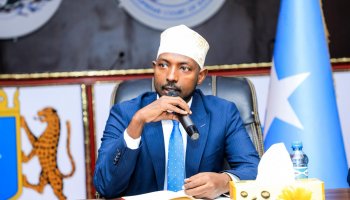
In a Press Statement, the Ministry of Defence said: "This decision demonstrates the progress made by the Federal Government of Somalia in strengthening accountable security institutions and ensuring compliance with international child protection standards.”
The statement added that cooperation with United Nations monitoring mechanisms had been central to achieving the outcome, noting that Somalia remains committed to preventing the recruitment and use of children in any form of armed activity.
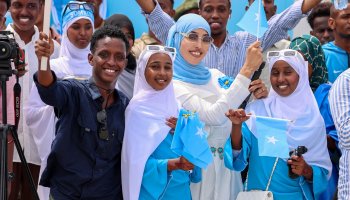
Residents in Mogadishu expressed mixed reactions, with some welcoming the announcement as evidence of improved governance. "If this means fewer children are involved in armed groups, it is good for our communities,” said local teacher Hassan Aden. A market trader in the Hamarweyne district added: "We have seen changes in recent years, but we still want lasting peace and stability.”
The UN annual report on Children and Armed Conflict, which tracks violations involving child recruitment, killing, and exploitation, previously included ASWJ in its annexed listings due to concerns raised during earlier phases of the group’s armed presence in central Somalia. However, recent verification processes concluded that ASWJ no longer meets the criteria of an active armed faction, following its absorption into state security arrangements.
Security analysts note that the decision carries broader implications for Somalia’s international standing and its ongoing security transition. A regional analyst quoted by Diplomat News Network said the delisting signals "institutional consolidation within Somalia’s security framework and improved coordination with UN monitoring bodies,” while cautioning that enforcement at local level remains essential to prevent relapse.
The development is also viewed within the wider context of Somalia’s efforts to implement its Child Rights and Protection policies, strengthen accountability mechanisms, and align national security institutions with international humanitarian law standards. Officials say continued cooperation with international partners will be key to sustaining compliance and preventing future violations.
The announcement underscores a shifting security landscape in Somalia, where armed group classifications remain closely tied to evolving political integration processes and institutional reforms across federal and regional structures.