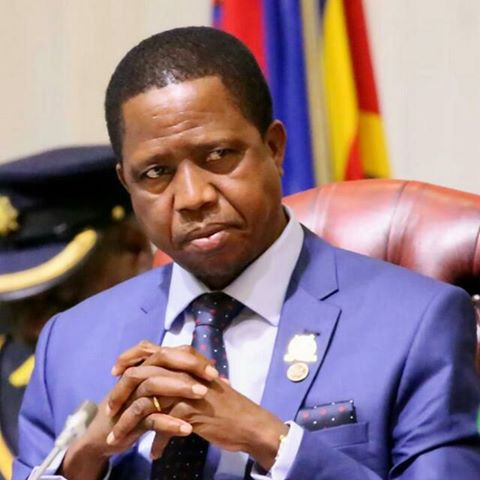
Bloemfontein (Diplomat.so) – Zambia's government confirmed on Tuesday, June 23, in Bloemfontein, South Africa, that it will not appeal a Supreme Court of Appeal ruling in favor of former President Edgar Lungu's family over custody of his remains.
The ruling, issued by a panel of judges at South Africa’s Supreme Court of Appeal, upheld the family’s right to determine burial arrangements and overturned a lower court decision that had ordered repatriation to Zambia’s official presidential cemetery. The court stated that "common law and constitutional rights of family prevail” over state claims to custody, effectively ending the legal dispute within South African jurisdiction.
Lungu family spokesperson Makebi Zulu welcomed the decision, saying: "The judgment provides clarity and finality on a matter that has caused immense pain and uncertainty for the family during a period of profound grief.” He reiterated that the family’s position reflects the late president’s personal wishes regarding burial arrangements and the handling of his remains.
Zambia’s government, through an official statement, said it would not escalate the matter to South Africa’s Constitutional Court, adding that it was "now a private matter for the Lungu family to proceed with their desired burial.” Officials also emphasized that all previous Zambian presidents since independence had been interred at the designated leaders’ cemetery, underscoring the symbolic weight of the dispute for national tradition and state protocol.
The legal battle followed months of proceedings after Edgar Lungu died in South Africa on June 5, 2025, at age 68. His body had remained in a mortuary during extended litigation, as competing claims emerged between the state’s request for repatriation and the family’s preference for burial in South Africa, where he died.
The dispute has mirrored long-standing political tensions between Lungu and his successor, President Hakainde Hichilema. During his presidency from 2015 to 2021, Lungu twice defeated Hichilema in elections, while Hichilema was later imprisoned on treason charges that were subsequently dropped, deepening political mistrust that has continued into the post-presidency period.
Analysts say the ruling highlights judicial reinforcement of family rights in cross-border burial disputes involving former heads of state, limiting state authority where personal and constitutional considerations intersect. A Diplomat News Network report indicates the decision may shape how regional courts address similar conflicts involving state protocol and private family claims.
The resolution closes a highly sensitive legal and political chapter that has drawn attention in both Zambia and South Africa, reflecting broader questions about national memory, leadership legacy, and the balance between state ceremonial obligations and private rights.