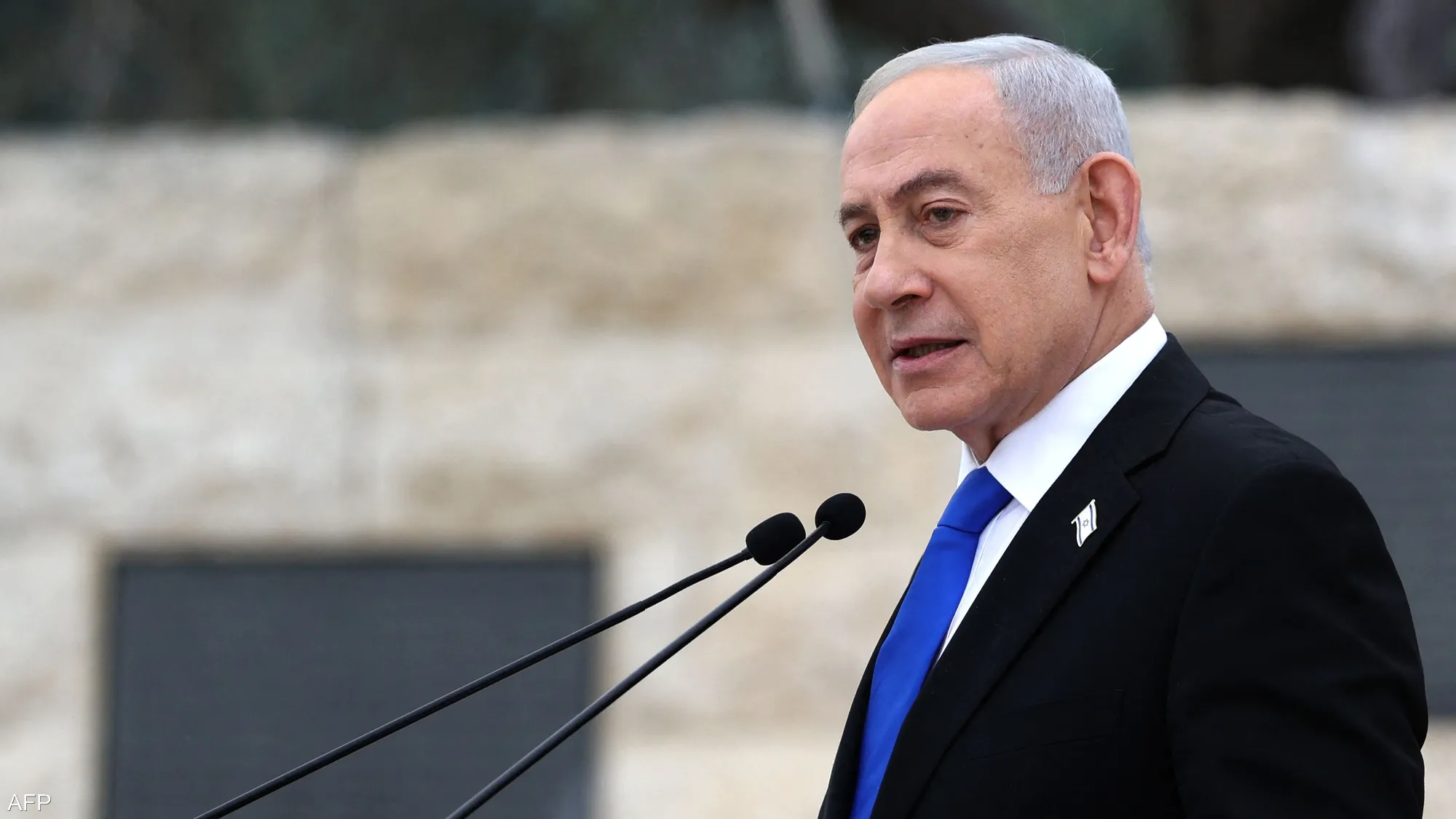
Tel Aviv (Diplomat.so) - Israeli Prime Minister Benjamin Netanyahu said on Tuesday, April 28, that the Israeli military destroyed what he described as a "massive tunnel" belonging to Hezbollah in southern Lebanon while continuing ongoing cross-border operations targeting infrastructure, drone capabilities, and militant positions across the border region.
Israeli Military Claims
Netanyahu said the tunnel operation formed part of a broader military campaign aimed at dismantling what Israel describes as Hezbollah’s entrenched infrastructure in southern Lebanon.
The Israeli military stated that engineering units operating near the northern frontier uncovered and destroyed underground passages extending approximately two kilometres, which officials said were constructed over nearly a decade and linked to rocket-launch positions aimed toward Israeli territory.
Military officials said the tunnels were used by elite Hezbollah units and connected to sites containing what they described as guided missile systems.
Drone Threats
Netanyahu emphasized that Israel’s military strategy now includes sustained action against drone-based threats, which he described as a growing operational challenge.
He stated that Israeli forces had been instructed to address what he called "evolving aerial threats,” adding that achieving full operational objectives "will take time and continued action.”
In a separate statement, Netanyahu said Hezbollah retains only a fraction of its former missile stockpile, claiming it holds "around 10 percent of the rockets it possessed before the war began,” but added that the remaining arsenal still represents a security concern for northern Israeli communities.
Katz Issues Warning Over Escalation
Israeli Defense Minister Israel Katz delivered a sharply worded warning to Hezbollah leadership, stating that Secretary-General Naim Qassem was "playing with fire.”
Katz said, "If the Lebanese government continues to shelter Hezbollah, the fire will extend beyond the group and burn Lebanon itself,” according to a statement released by his office.
His remarks reflect mounting Israeli political pressure to intensify military operations despite the existence of a ceasefire framework agreed earlier this month.
Ceasefire Framework
A ceasefire arrangement reached through US-mediated discussions was initially set to take effect in April, with subsequent adjustments extending implementation timelines after further negotiations in Washington.
Despite the agreement, Israeli forces have continued air and artillery strikes in southern Lebanon, particularly in areas near the border. The Israeli military has also established what it calls a "yellow line,” separating areas under its operational control from surrounding zones.
Netanyahu reiterated that Israel retains the right to conduct operations under what he described as understandings reached with the United States and Lebanese authorities.
Military Operations
The Israeli army announced earlier in the week that more than 50 Hezbollah-linked sites had been struck in southern Lebanon over recent days.
Military spokesperson Avichay Adraee said forces from the Golani Brigade had destroyed what he described as "terror infrastructure,” including an underground complex allegedly used to coordinate attacks against Israeli troops.
He added that operations continue in areas both south and north of the Litani River, within what Israel defines as its security perimeter in Lebanon.
Hezbollah Response
Hezbollah has repeatedly stated that its actions are responses to Israeli strikes and demolitions in southern Lebanese villages.
The group has claimed responsibility for launching rockets and drones toward northern Israel, describing these operations as retaliatory measures against ongoing Israeli military activity.
Hezbollah-aligned sources, as cited in reporting referenced by Diplomat News Network, maintain that the group continues to operate within what it considers defensive engagement rules tied to the broader conflict environment.
Civilian Conditions Along the Border
Residents in southern Lebanese border areas described ongoing disruptions caused by intermittent explosions, low-altitude aircraft activity, and visible military movement on both sides of the frontier.
A resident from a village near the border, speaking anonymously, said, "The nights are unpredictable. Sometimes it is quiet, sometimes there are explosions that shake the houses.”
Local traders also reported reduced commercial activity, with markets operating at limited capacity due to security concerns and restricted mobility.
Strategic Pressure
The continuation of Israeli strikes despite ceasefire arrangements highlights the fragility of current security understandings along the Lebanon-Israel border.
Military analysts note that both sides are engaged in a pattern of deterrence-based escalation, where targeted infrastructure strikes are intended to limit operational capabilities without triggering full-scale conflict.
The destruction of tunnels and underground facilities reflects a long-standing Israeli security concern regarding Hezbollah’s ability to operate covertly near the border.
At the same time, drone activity and rocket fire continue to complicate enforcement of ceasefire terms, with both parties maintaining differing interpretations of what constitutes legitimate defensive action.
Regional security observers warn that sustained military operations risk eroding diplomatic frameworks established through international mediation.
Tensions remain elevated as both Israeli officials and Hezbollah representatives signal continued readiness for further confrontation, leaving the border situation highly volatile with limited signs of de-escalation in the near term.