Abuja (Diplomat.so) - Governor Ahmadu Umaru Fintiri confirmed on Tuesday April 28 that at least 29 people were killed when gunmen attacked Guyaku community in Gombi Local Government Area of Adamawa State.
The attack, which lasted several hours, left homes, places of worship, and community infrastructure burned or destroyed, according to officials and residents.
The Islamic State group (IS) claimed responsibility for the attack in a statement, without specifying its motive. Nigerian authorities have not independently verified the claim.
Attack Details
State authorities said armed men stormed Guyaku village in Nigeria’s north-eastern Adamawa region and opened fire on civilians gathered at a football pitch before spreading into nearby residential areas. The assault reportedly continued for hours, with attackers setting fire to homes, motorcycles, and religious buildings.
Local government sources said the violence extended beyond the initial point of contact, forcing residents to flee into surrounding bushland for safety. Security personnel were later deployed to the area as reports of widespread destruction emerged.
Footage reviewed from nearby Sangere Mapindi, located a few kilometres from Guyaku, showed extensive damage including burned structures and destroyed motorcycles. A church building was also reported to have been severely damaged, with eyewitnesses describing signs of deliberate arson.
Officials said the scale of destruction suggested a coordinated attack, though investigations are ongoing to determine the full identity and structure of the armed group involved.
Eyewitness Accounts
Residents described a sudden and chaotic outbreak of gunfire that disrupted a community gathering. Nneka Ikechukwu, a local resident, said the attackers struck without warning as people gathered for leisure activities.
"Our people converged at a football pitch in Guyaku community… and were attacked by insurgents who entered with guns and began shooting randomly,” Nneka said.
Another resident, Ijeoma Chukwuma, said many of the victims were young people who had been watching a football match. "The dead were youths, including some ladies that were watching football. They also burnt places of worship, houses and motorcycles,” she said.
A community leader, Chibuzo Nwankwo, speaking through state channels, said the attackers operated freely for several hours. He noted that residents were unable to mount any resistance due to the speed and intensity of the assault.
A local pastor, who survived the incident, described how attackers pursued fleeing residents into nearby streets, setting fire to buildings and forcing families to abandon their homes. "We are pleading… we need security,” he said.
Official Response
Governor Ahmadu Umaru Fintiri condemned the attack during a visit to the affected community, describing it as a direct assault on civilians and national values.
"My heart breaks for the people of Guyaku,” Fintiri said. "This act of cowardice is an affront to our humanity and will not go unpunished.”
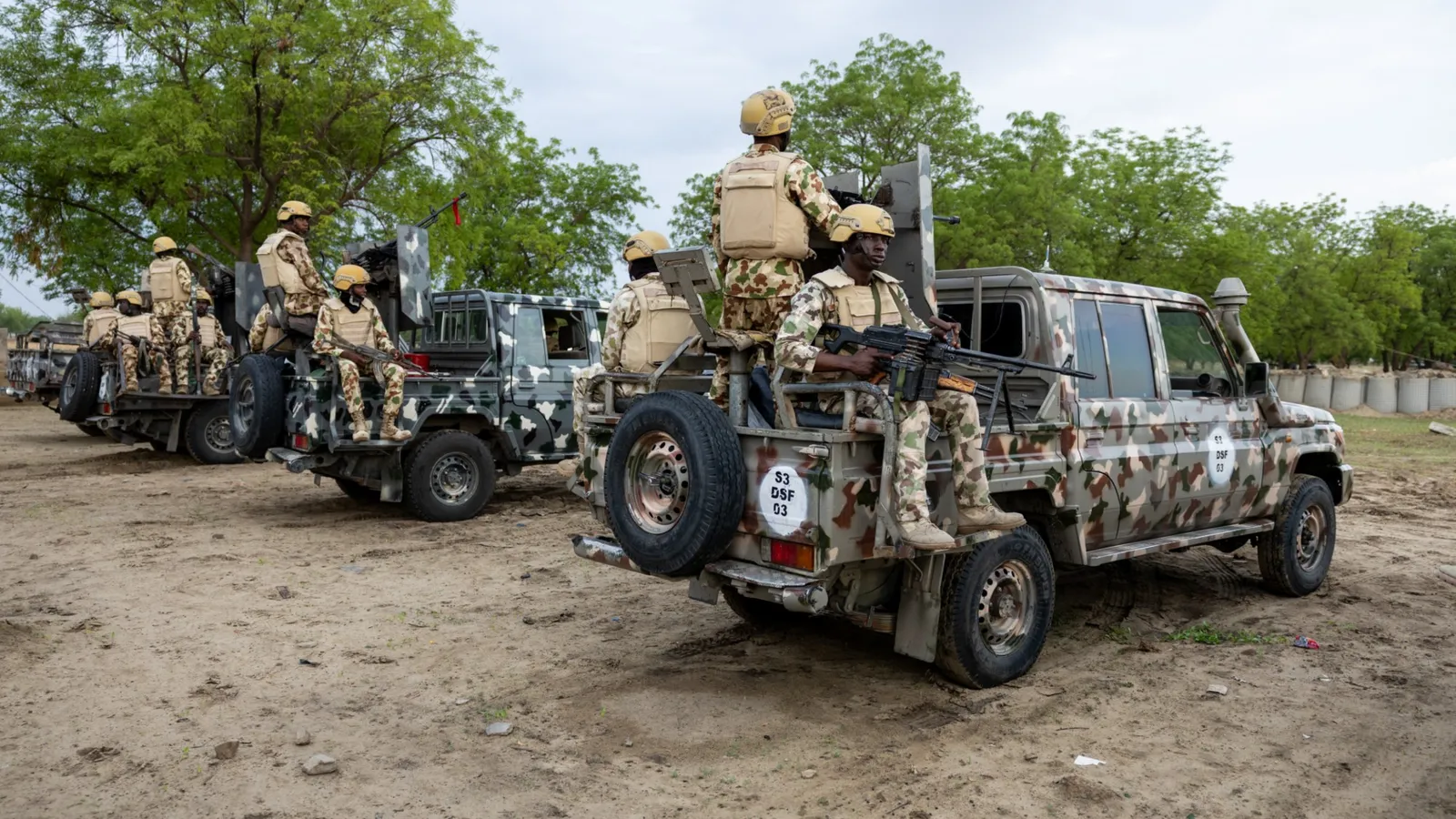
The governor confirmed that emergency security measures had been activated across affected areas, including increased military patrols and coordination with local vigilante groups.
State authorities said relief support and humanitarian assistance would be provided to displaced families, many of whom reportedly fled their homes following the attack. Officials also indicated that investigations were underway to determine the full extent of casualties and property damage.
Security Context
The attack underscores continuing insecurity in Nigeria’s north-east, a region that has faced more than a decade of violence linked to armed insurgent groups and criminal networks.
Since 2009, the insurgency led by Boko Haram and its rival faction, the Islamic State West Africa Province, has resulted in tens of thousands of deaths and the displacement of millions, according to humanitarian agencies. Rural communities remain particularly vulnerable due to limited security presence and difficult terrain.
Security analysts note that Adamawa State, which shares a border with Cameroon, has repeatedly experienced cross-border militant movement and localized armed activity. These dynamics have complicated counterinsurgency efforts by Nigerian forces.
In recent months, authorities have intensified military operations and collaborated with international partners on training and intelligence support. Diplomatic engagement has also increased amid concerns over the persistence of civilian-targeted attacks.
Diplomat News Network understands that additional deployments have been ordered in vulnerable districts following the latest violence, though officials have not disclosed operational details.
Regional Implications
The attack adds to growing pressure on Nigerian authorities as insecurity continues to affect governance, humanitarian conditions, and public confidence in rural regions.
Neighbouring countries including Niger, Chad, and Cameroon have also experienced spillover violence linked to insurgent groups operating across porous borders. Regional cooperation frameworks have been established to address shared security threats, though implementation challenges persist.
Humanitarian organisations warn that continued attacks on rural communities risk deepening displacement trends and disrupting agricultural livelihoods, particularly in farming-dependent regions such as Adamawa.
The incident also comes at a time of heightened political attention on security issues ahead of future national electoral cycles, with public demand increasing for stronger protection of civilian populations.