Washington, D.C. (Diplomat.so) - U.S. Southern Command, under direction of General Francis Donovan, conducted a military strike on a suspected drug-trafficking vessel in the Caribbean Sea on Monday, May 4, killing two individuals described by officials as members of a "designated terrorist organization" involved in narcotics trafficking.
Deadly Strike in Caribbean Waters
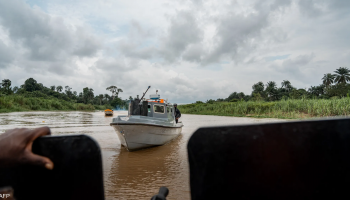
The U.S. military said the operation was carried out by Joint Task Force "Southern Spear,” targeting a vessel moving along what it described as a known narcotics smuggling route in the Caribbean. Officials stated that no U.S. personnel were harmed during the strike.
According to a statement released by U.S. Southern Command, intelligence assessments confirmed the vessel was engaged in drug trafficking activities at the time of the operation. The identities of the two individuals killed have not been released.
"The vessel was assessed to be operating in coordination with designated terrorist organizations involved in illicit drug trafficking networks,” the command said. "Two narco-terrorists were killed in the operation, and no U.S. forces were injured.”
A spokesperson speaking to Diplomat News Network on condition of attribution said the strike was part of an "expanded maritime interdiction effort aimed at disrupting transnational criminal networks operating across the Caribbean corridor.”
US Military Justification
The Pentagon has defended the operation as part of an ongoing campaign targeting what it describes as armed criminal groups linked to narcotics trafficking. Officials say these groups are increasingly being treated as hybrid threats combining elements of organized crime and militant activity.
War Secretary Pete Hegseth rejected criticism of the operation during recent congressional testimony, calling allegations of unlawful conduct "an incredible array of false accusations.”
Military officials maintain that the campaign is based on intelligence-driven targeting, though they have released limited operational detail, including the identities of those killed or the specific munitions used.
Rising Political Scrutiny in Washington
The strike comes amid growing political debate in the United States over the legality and scope of the Caribbean campaign. Several lawmakers have questioned the legal framework underpinning the operations.
Senator Jack Reed of Rhode Island described the strikes as "illegal” during a recent Senate hearing. Senator Tim Kaine of Virginia raised concerns about targeting standards, questioning whether adequate safeguards are in place to distinguish combatants from civilians.
Representative Bill Keating of Massachusetts said the operations amount to "pirating American values,” adding that they are "built on a flawed and unverified rationale that requires urgent oversight.”
The Pentagon has not directly responded to all allegations but continues to assert that the operations are conducted under existing counter-narcotics and counter-terrorism authorities.
Expanding Drone Campaign
Reporting from U.S. defense sources indicates an increased deployment of MQ-9 Reaper drones and fixed-wing aircraft operating from regional bases, including facilities in Puerto Rico and El Salvador.
A Costs of War analysis estimates that between $12 million and $50 million in munitions have been used in the campaign, with total operational expenditures exceeding $4.7 billion across related missions, including Southern Spear and Absolute Resolve operations.
The report warns that continued deployments could place sustained pressure on U.S. military logistics and funding. "Costs will continue to mount as naval assets and aircraft remain in the region,” it noted.
Legal Debate
Human rights organizations have condemned the strikes, describing them as "extrajudicial killings” carried out without judicial oversight or transparent review mechanisms. Legal experts argue that the classification of drug traffickers as terrorist actors raises unresolved questions under international law.
Critics also point to the absence of publicly available evidence identifying those targeted, arguing that the secrecy surrounding the operations undermines accountability.