Abuja (Diplomat.so) – Nigeria's National Assembly on Saturday, June 13, passed a constitutional amendment bill enabling creation of state-level police forces across the country, marking a major shift in national security governance.
The Nigerian Parliament, approved a constitutional amendment bill that seeks to decentralize policing authority by allowing individual states to establish and manage their own security forces. The legislation now moves to the 36 state assemblies for ratification, requiring approval from at least two-thirds before it can be transmitted to President Bola Ahmed Tinubu for assent.
The reform applies to Nigeria’s 36 states and the Federal Capital Territory and comes as the country, with an estimated population exceeding 230 million people, continues to grapple with persistent insecurity challenges.
Speaking to journalists after the plenary session, Deputy Speaker Benjamin Kalu defended the reform as a necessary institutional response to systemic weaknesses in federal policing. "Hope is coming. The hope of having better response time to incidents of crime is here,” Kalu said, emphasizing that consultations with security agencies and fiscal oversight bodies shaped the amendment’s framework. He added that the proposal reflects "a structured attempt to bring policing closer to communities affected by rising criminal activity.”
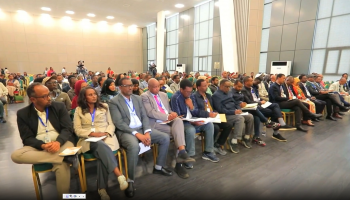
In Abuja, legislative observers described a tense but orderly atmosphere within the National Assembly complex during deliberations. Security personnel were stationed at key entry points while journalists and civil society observers monitored proceedings from designated galleries. A parliamentary aide, who requested anonymity due to lack of authorization to speak publicly, said lawmakers debated funding structures and oversight mechanisms for potential state police institutions.
Outside the legislative chamber, reactions from residents were mixed. Taxi driver Musa Abdullahi, speaking near the Three Arms Zone, said decentralization could improve emergency response times. "Sometimes incidents happen and federal police arrive too late. If states control their own police, it may reduce delays,” he said. However, trader Amina Yusuf expressed concern about political misuse. "My fear is that governors may use state police against opponents,” she said, reflecting broader public anxieties.
Nigeria’s current policing structure is centralized under the Nigeria Police Force, a federal institution responsible for nationwide law enforcement. Analysts note that rising incidents of banditry, kidnapping, and urban crime have intensified pressure for reform. The constitutional amendment represents one of the most significant security restructuring efforts in decades, requiring extensive political coordination across state legislatures.
Security analyst Chijioke Kelechi noted that implementation would depend heavily on funding and oversight clarity. "The idea is not new, but execution has always been the challenge. Without strong accountability frameworks, decentralisation could create fragmented command structures,” he said in remarks attributed to Diplomat News Network reporting.
The amendment’s progression to state assemblies now sets the stage for a politically sensitive ratification process that could shape Nigeria’s internal security architecture for years to come.