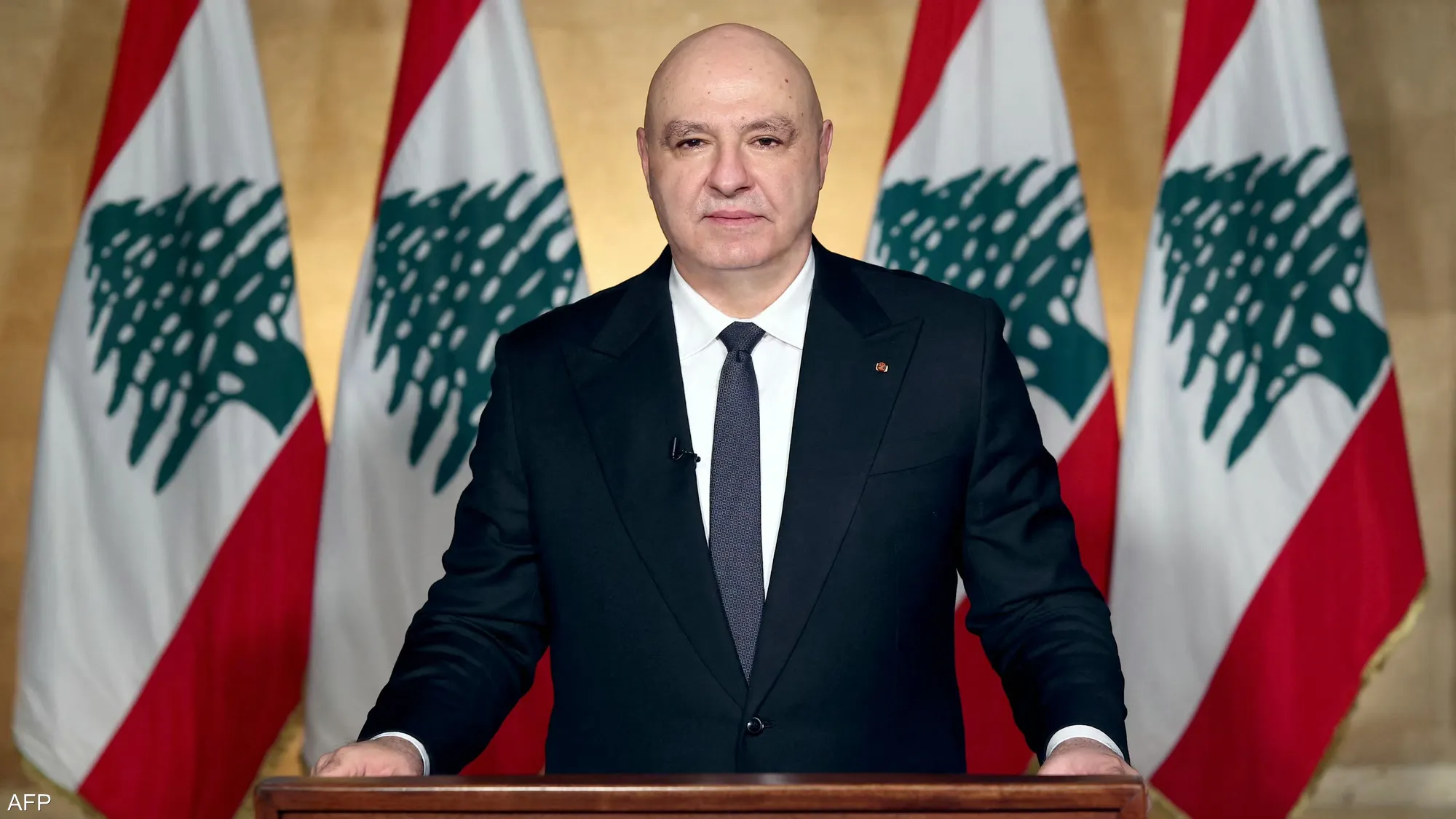
Beirut (Diplomat.so) – The Lebanese presidency said Saturday, June 27, that President Joseph Aoun told US President Donald Trump in a phone call that Washington should help prevent violations of the Israel-Lebanon framework agreement and ensure compliance with obligations.
According to the presidency, Aoun said Lebanon would assume its responsibilities in implementing the agreement, while requesting US assistance to deter breaches and press Israel to withdraw from southern Lebanese areas.
Israeli Prime Minister Benjamin Netanyahu described the deal as historic and a blow to Iran and Hezbollah, saying Israeli forces would remain in a security zone inside Lebanese territory until Hezbollah is disarmed.
Hezbollah rejected the agreement, with Secretary-General Naim Qassem calling it a "grave lapse” and "a surrender of sovereignty,” while lawmaker Hassan Fadlallah warned it could not be imposed except through "civil war,” and Parliament Speaker Nabih Berri cautioned against "fitna” or sectarian strife. Protests were reported in Beirut on Friday night as supporters gathered in several neighborhoods.
Lebanon and Israel have remained in a state of conflict for decades, despite periods of indirect coordination mediated by international actors, including arrangements that followed Israel’s withdrawal from southern Lebanon in 2000 after nearly two decades of occupation. The absence of a durable peace framework has left the southern border vulnerable to periodic escalation and political polarization inside Lebanon.
Analysts say the evolving framework reflects increased US diplomatic engagement aimed at preventing escalation along the Lebanon-Israel border, balancing Israel’s security demands and Lebanon’s fragile internal consensus, with broader regional implications for Iran-Hezbollah-Israel tensions.
Diplomat News Network reporting indicates the diplomatic exchange underscores renewed international pressure to stabilize the frontier and avoid wider escalation.
The framework agreement comes at a sensitive moment for Lebanon’s political and economic landscape, where institutional fragmentation and security pressures intersect with ongoing regional rivalries.
Observers note that implementation will depend on sustained US diplomatic engagement and the ability of Lebanese and Israeli actors to translate political commitments into operational mechanisms on the ground.
In Beirut, residents expressed mixed reactions, with some describing concern over renewed tensions along the southern frontier, while others viewed diplomatic engagement as a potential pathway to reduced violence. The coming period is expected to test both domestic cohesion in Lebanon and Israel’s strategic calculations regarding its northern border, as well as the capacity of international mediators to maintain momentum in negotiations without triggering further escalation.