Beirut (Diplomat.so) - Israel Defense Forces said on Friday, 8 May, that its forces intercepted a suspicious aerial target over southern Lebanon, evacuated wounded troops near the eastern border sector, and reviewed interception results during ongoing military operations.
Airstrikes Expand Across Southern and Eastern Lebanon
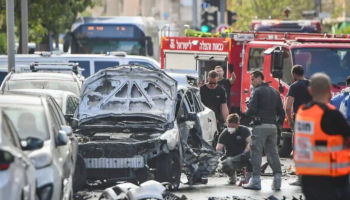
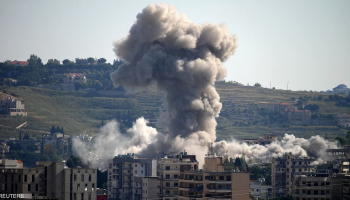
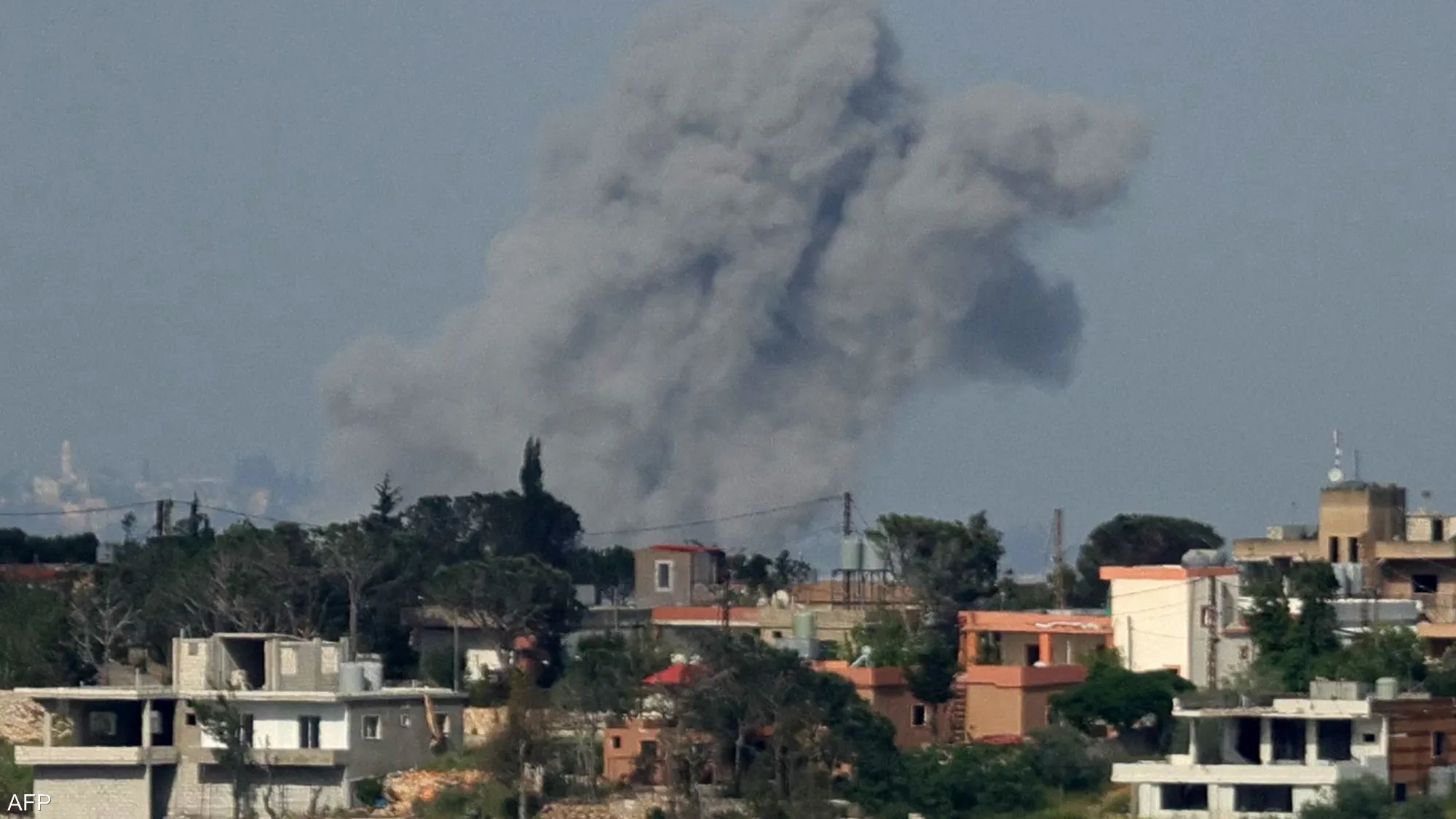
Israeli air operations intensified across southern Lebanon and the eastern Bekaa region on Friday, with multiple strikes reported in rural districts including the outskirts of Nabatieh and Tyre, as well as mountain areas around Nabi Sheet, Khreibeh, and Brital.
Local residents described repeated aerial activity and successive explosions echoing across agricultural valleys and hillside communities. Movement on secondary roads in affected areas was intermittently disrupted as air activity continued throughout the day.
Unconfirmed local reports indicated that some strikes targeted open terrain and road networks used between scattered villages, while civil defense teams assessed damage under constrained access conditions.
Cross-Border Fire
Military exchanges continued along the Lebanon–Israel border, with reports of rocket fire attributed to Hezbollah and Israeli return operations across multiple sectors.
An Israeli military spokesperson stated that "an interceptor was launched toward a suspected aerial target over southern Lebanon,” adding that "results of the interception are still under review as operational assessments continue.”
Security observers noted increased helicopter activity along the eastern border sector, with brief landings reported at secured positions before aircraft returned to operational deployment zones.
Civilian and Emergency Response Strain
Lebanon’s Civil Defense confirmed that one of its paramedics was killed in an Israeli airstrike between Rashaya and Kfar Shouba in southern Lebanon. A civil defense official, speaking on condition of attribution, said rescue teams were operating under "extremely difficult conditions due to repeated strikes and limited access to impacted areas.”
Medical personnel reported growing pressure on emergency response systems as road closures and intermittent bombardment slowed ambulance deployment.
The World Health Organization has previously verified 152 attacks on health infrastructure in Lebanon, resulting in 103 deaths and 241 injuries since the escalation began on 2 March, underscoring sustained pressure on medical services.
A field medic in southern Lebanon told reporters that "ambulances are often delayed or rerouted because roads become unsafe within minutes of alerts,” describing increasingly unpredictable conditions for emergency response teams.
Hezbollah Claims and Military Exchange
Hezbollah announced that its fighters conducted retaliatory strikes targeting Israeli military vehicle concentrations near Bint Jbeil, using rockets and artillery fire in response to what it described as attacks on Lebanese territory, including southern suburbs of Beirut.
A statement from the group said its operations were aimed at Israeli troop deployments in the area surrounding the cemetery sector of Bint Jbeil. Residents reported hearing multiple detonations and observing emergency movement following the exchanges.
A local shopkeeper in the town said, "The sound of explosions came in waves, and people immediately moved away from main streets until things calmed down,” describing heightened civilian alertness during the clashes.
Casualties and Official Figures
Lebanon’s Ministry of Public Health reported that cumulative casualties since 2 March reached 2,759 killed and 8,512 injured as of 8 May, according to official updates cited during national briefings.
Diplomat News Network reporting from Beirut indicated that authorities continue to verify casualties across multiple districts, particularly in southern and eastern regions where access remains partially restricted due to ongoing military activity.
Health authorities emphasized that figures may be updated as field verification continues in areas affected by repeated strikes and limited emergency access.
Broader Security Context
The escalation reflects sustained cross-border hostilities between Israel and Hezbollah-linked forces along the southern Lebanon frontier, which have intensified since early March amid reciprocal strikes and expanding air operations.
Security analysts note that the geographic spread of strikes into the Bekaa Valley and deeper southern districts indicates an expanded operational envelope, increasing exposure for rural infrastructure, agricultural zones, and transport routes.
A regional security analyst based in Beirut said, "The pattern of strikes suggests a widening theater of operations that is no longer confined strictly to border-adjacent zones,” adding that civilian areas remain at heightened risk due to proximity to active routes.
Lebanese officials have repeatedly warned that continued escalation places additional strain on already limited emergency and municipal services, particularly in rural districts where infrastructure is less resilient.
Diplomatic and Humanitarian Outlook
International monitoring agencies and humanitarian organizations continue to express concern over the sustained impact on civilian infrastructure and medical services across Lebanon’s southern and eastern regions.
Security developments along the border remain fluid, with both sides maintaining operational readiness amid intermittent exchanges and air activity.
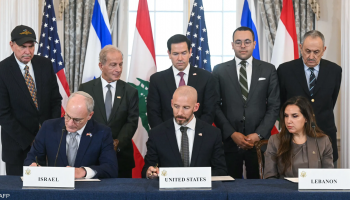
Efforts toward de-escalation remain ongoing through regional and international diplomatic channels, although no new binding framework has been publicly confirmed to halt the latest round of hostilities.
Officials involved in humanitarian coordination stress that continued access constraints for emergency teams could further complicate casualty response and medical evacuation efforts if strikes persist at current levels.
The situation remains closely monitored as military operations, civilian displacement risks, and emergency service strain converge across multiple Lebanese regions.