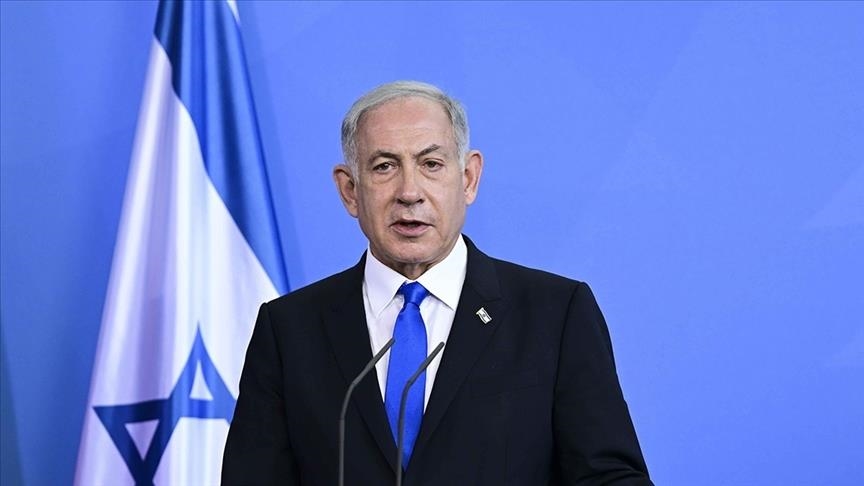
Tel Aviv (Diplomat.so) - Channel 12 reported on Saturday, 265 April, that senior Israeli right-wing figures are holding discreet talks in Tel Aviv to establish a new political framework tentatively named 'Likud B', aiming to reshape Israel's political right and potentially challenge Prime Minister Benjamin Netanyahu's leadership. The discussions, described as confidential, involve former ministers and senior party figures, according to the broadcaster.
According to the report, figures including Yuli Edelstein, Moshe Kahlon and Gilead Erdan are participating in exploratory contacts aimed at forming a new political platform that could operate outside Israel’s traditional bloc divisions. The initiative is being discussed as a medium-term project, with insiders suggesting that any formal structure could take several months to materialize as negotiations continue behind closed doors.
In central Tel Aviv, public reaction to the reports reflected a mix of skepticism and political fatigue. A café owner near Rothschild Boulevard said political reshuffling had become a recurring theme in Israeli public life. "Every few months there is talk of new parties or breakaways, but people here are more focused on the cost of living than political branding,” he said. A university student nearby added that "new alliances sound interesting, but trust in political promises is very low right now.”
A political analyst based in Tel Aviv, speaking to Diplomat News Network, said the reported initiative reflects deeper fractures within Israel’s right-wing bloc. "What we are seeing is not just a tactical disagreement, but a structural reassessment of leadership and ideological direction within the right,” the analyst said. "The question is whether such a platform can truly exist independently of Netanyahu’s political dominance.”
Background to the development lies in years of political fragmentation in Israel, where repeated elections have failed to produce stable governing coalitions. The right-wing bloc, long anchored by Likud under Netanyahu, has faced internal disputes over judicial reforms, coalition partnerships, and relations with more hardline factions. Figures such as Naftali Bennett and Gadi Eisenkot have previously been associated with alternative governing arrangements, though none have fully consolidated a lasting political alternative.
The reported "Likud B” initiative highlights growing tension between calls for ideological continuity and demands for broader coalition-building. Observers note that any attempt to exclude more extreme elements while maintaining a right-wing identity could reshape future coalition arithmetic in the Knesset. However, internal rivalry over leadership remains a central obstacle, with competing ambitions potentially delaying any formal announcement.
Political uncertainty continues to define Israel’s domestic landscape, as emerging alignments test the durability of established parties and leadership structures.