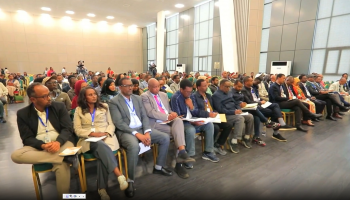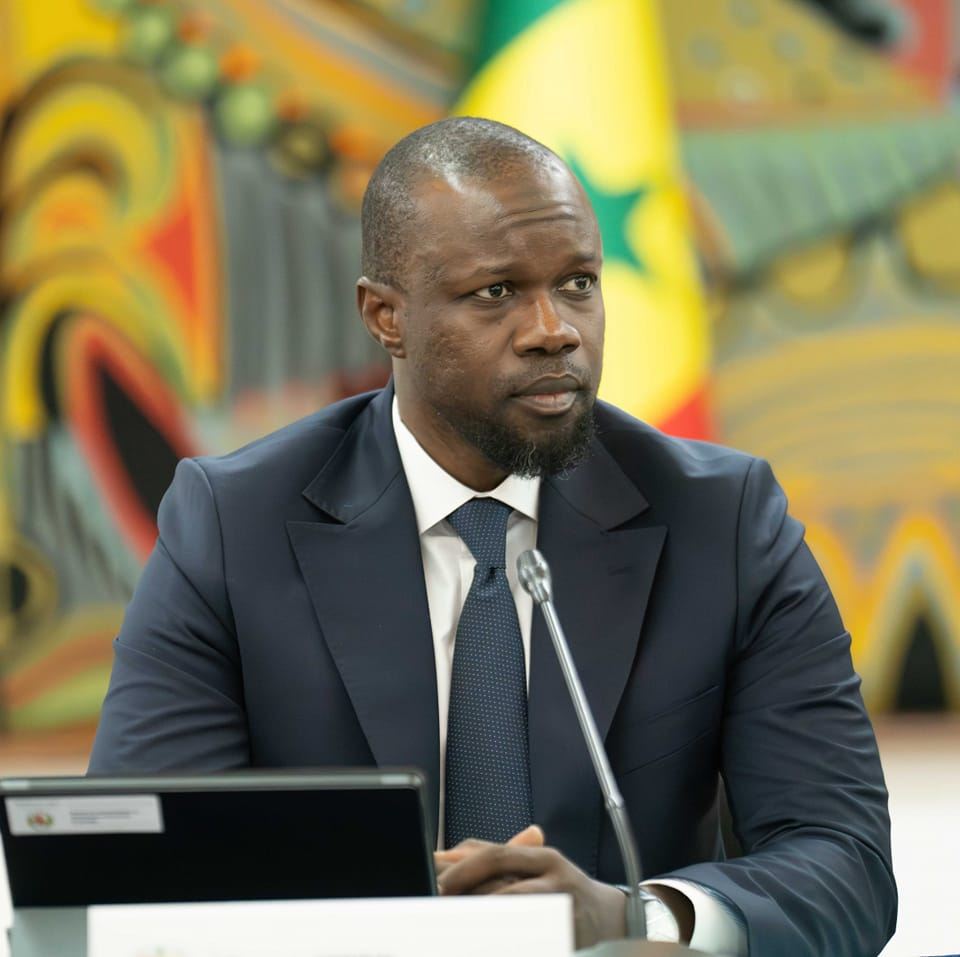
Dakar (Diplomat.so) - Senegal's National Assembly on Tuesday, April 28, overwhelmingly approved amendments to the electoral code that could clear the legal path for Prime Minister Ousmane Sonko to contest the 2029 presidential election, following a vote dominated by the ruling Pastef party.
The bill passed under an emergency procedure with 128 votes in favour, 11 against and two abstentions, parliamentary records showed. Pastef lawmakers argued the amendments were needed to correct prior eligibility restrictions affecting candidates with criminal convictions. Opposition legislators criticised the expedited process, saying it limited debate and reduced parliamentary oversight of sensitive electoral reforms.
Sonko, 51, was barred from the 2024 presidential race following a conviction that rendered him ineligible under then-existing electoral provisions. His political ally Bassirou Diomaye Faye later won the presidency, marking a shift in executive leadership. Since Faye appointed Sonko as prime minister, political discussion has intensified around a possible 2029 presidential bid, though officials have not confirmed any candidacy plans.
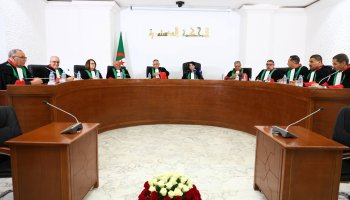
Opposition lawmakers said the reform raises concerns about fairness and institutional balance. One opposition deputy said the emergency procedure risks undermining transparency in lawmaking, while a legal analyst speaking to Diplomat News Network said any challenge before the Constitutional Council could determine the durability of the changes.
The legislation now awaits presidential assent, with the head of state expected to either sign it into law or refer it for constitutional review. Opposition parties retain the option to file a challenge before the Constitutional Council. Separately, the presidency on Monday released draft reforms covering constitutional and electoral frameworks for public consultation ahead of cabinet review.
The reforms come amid ongoing political realignment following the 2024 elections, which brought a new governing leadership and reshaped parliamentary dynamics dominated by Pastef.
Analysts say the vote underscores the ruling coalition’s capacity to reshape electoral rules, while also increasing scrutiny over the intersection of legal reform and political ambition ahead of the 2029 election cycle.