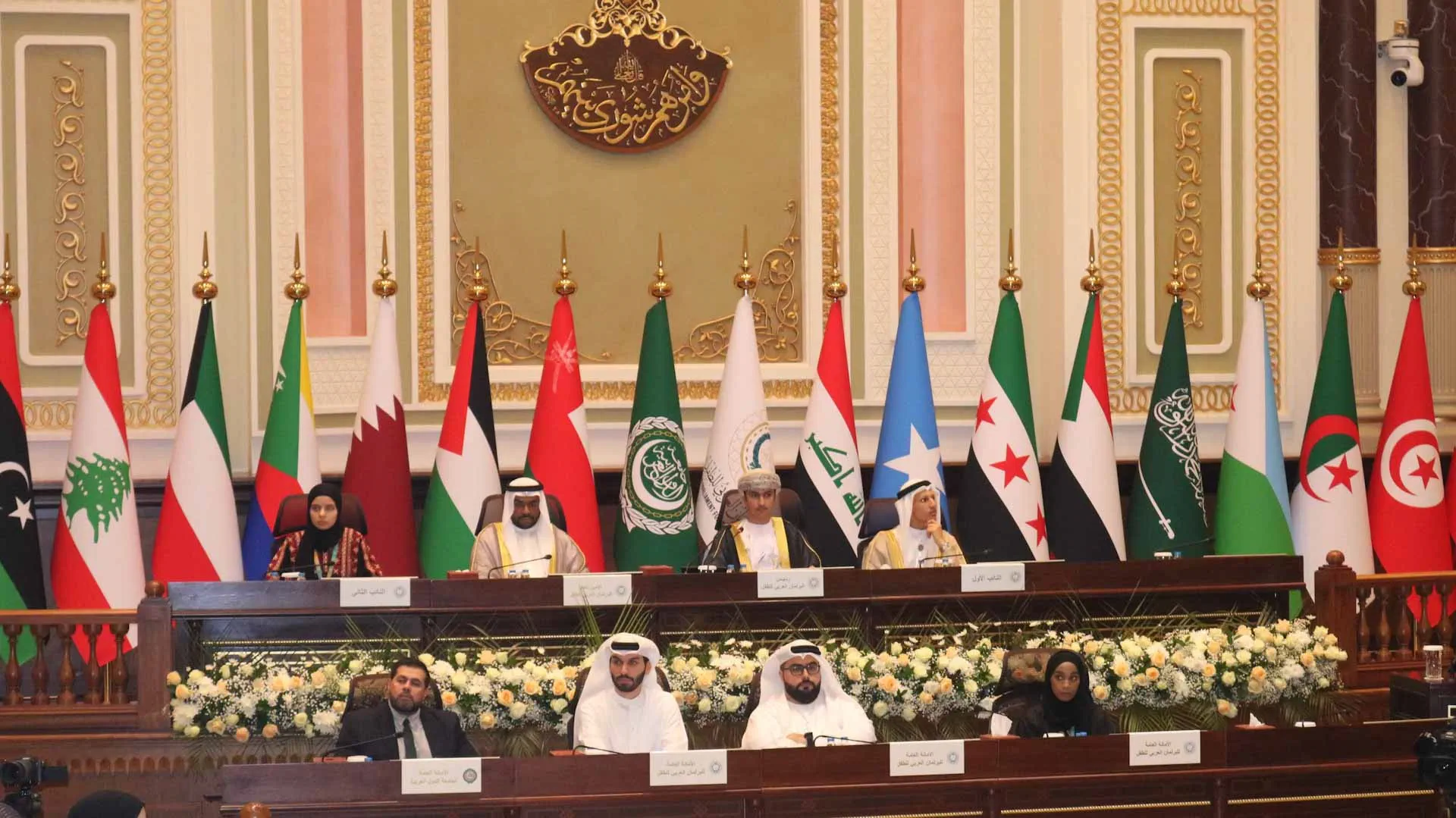
Cairo (Diplomat.so) – Arab Parliament strongly condemned the Israeli authorities' reported appointment of an envoy to the northwestern region of Somalia, referred to as the so-called "Somaliland," in a statement issued on Saturday, April 25, describing the move as a breach of international law and an infringement on Somalia's sovereignty and territorial integrity.
Strong institutional condemnation
The Arab Parliament said the appointment represents what it termed a "flagrant violation of international law and an unacceptable assault on the sovereignty of the Federal Republic of Somalia,” reiterating that it rejects any measures that could legitimize separatist entities within internationally recognized borders.
In its official statement, the parliamentary body emphasized: "We categorically reject any actions that contribute to entrenching separatist realities or imply recognition of non-legal entities within Somali territory, and we affirm our full support for Somalia in safeguarding its territorial unity and national sovereignty.”
The statement further urged the international community to take a clear and unified stance. "The global community must assume its responsibilities and clearly condemn such violations that threaten the security and stability of states and undermine their sovereignty,” it added, reaffirming adherence to the principles of international law and state sovereignty.
Status of "Somaliland" in Northwestern Somalia
The entity calling itself "Somaliland” located in the northwestern region of Somalia, declared unilateral separation from Somalia in 1991 following the collapse of the central government of Somalia. It has since established its own governing institutions and administrative structures.
Despite its internal political arrangements, it remains unrecognized by any United Nations member state. The Federal Government of Somalia continues to assert sovereignty over the entire territory of the country, including the northwestern region where the separatist administration operates.
Most international institutions maintain recognition of Somalia’s territorial integrity within its federal framework. Within the northwestern region, six major clans are widely reported to reside there, with five of them generally supporting national unity and opposing separatism, while one clan forms the primary support base of the separatist administration. Members of these communities, including those from the separatist clan, are also represented across federal institutions, including both houses of Parliament, the Judiciary, and other branches of the Federal Government of Somalia.
These institutional and social linkages reflect continued integration within Somalia’s national framework. Efforts toward unity, reconciliation, and state-building remain central to Somalia’s political process, with successive administrations emphasizing inclusive governance, power-sharing, and the strengthening of federal institutions as key pillars for long-term stability, national cohesion, and sovereignty.
Wider implications
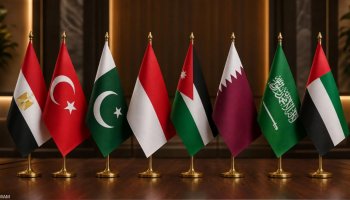
Analysts suggest the development could further complicate already delicate geopolitical dynamics in the Horn of Africa, a region shaped by overlapping security challenges, maritime interests, and shifting alliances. The coordination among Arab and non-Arab states in issuing a unified rejection signals a broader alignment on the principle of Somalia’s territorial unity.
At the same time, diplomatic observers note that renewed emphasis on Somalia’s sovereignty has reinforced international messaging around the importance of national cohesion and institutional stability. Calls for respect for territorial integrity are increasingly being linked by regional actors to long-term stability objectives, including strengthening governance frameworks and supporting state institutions.
Political analysts also underline that sustaining Somalia’s unity is closely tied to ongoing reconciliation and peacebuilding efforts within the country. They point out that external diplomatic positions emphasizing sovereignty can complement domestic initiatives aimed at fostering dialogue, rebuilding trust among communities, and advancing inclusive political processes that reduce fragmentation and strengthen national consensus.