Yaoundé (Diplomat.so) – Cameroon's Parliament is debating a constitutional amendment to restore the post of Vice President, abolished in 1972, in a move that would allow an appointed official to complete a presidential term in cases of death, resignation, or permanent incapacity while restricting them from altering the constitution or running for office.
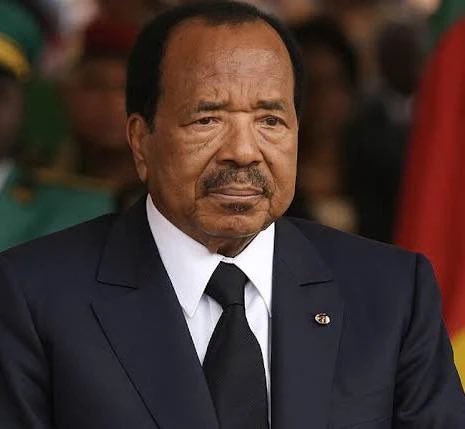
The measure, presented on Thursday, April 2, comes amid ongoing concerns about succession as President Paul Biya, 93, remains in power after more than 40 years, with the ruling Cameroon People’s Democratic Movement (CPDM) holding a legislative majority likely to ensure passage.
The proposal is part of broader constitutional revisions affecting Articles 5, 6, 7, 10, 53, and 66. Article 5 (3) now explicitly allows the President of the Republic to be assisted by a Vice President, while Articles 6 and 10 outline the selection, functions, and executive role of the position. Lawmakers argue the measure aims to clarify executive hierarchy and strengthen governance continuity.
On the ground in Yaoundé, parliamentary observers noted heightened security and large crowds of political party representatives attending the sessions.
Several citizens expressed cautious optimism. "It seems like a way to modernize governance, but we need transparency in appointments,” said Jean Abessolo, a local civil society activist. Another resident, Marie Nkeng, highlighted public concern over presidential longevity: "People want assurance that the country can manage a leadership transition smoothly.”
The constitutional amendment marks a return to a dual executive structure, reversing the 1984 revision that replaced the Vice Presidency with the office of Prime Minister. Analysts note the change also impacts broader governance frameworks, including management of presidential vacancies and executive operations.
Article 53 continues to assign the High Court of Justice authority to judge the President, while Article 66 expands asset declaration obligations to several senior officials, reinforcing accountability.
Political analyst Tchoua Dieudonné told Diplomat News Network that the amendment signals both institutional consolidation and the ruling party’s intention to control succession: "By limiting the Vice President’s political ambitions, the government can ensure continuity without risking internal power shifts.”
Observers suggest that the amendment could have regional and diplomatic implications, affecting Cameroon’s political stability and governance perception in Central Africa. While procedural approval appears likely, discussions are expected to extend over several weeks as lawmakers debate technical details and potential impacts on civil oversight mechanisms.