New York (Diplomat.so) – The United Nations said Tuesday, April 22, that incidents of violence in the Gaza Strip increased sharply during the past week, marking the highest level recorded since the ceasefire took effect in October.
United Nations spokesperson Stéphane Dujarric told reporters at a daily briefing in New York that the number of violent incidents—including gunfire, shelling, and attacks—rose by 46 percent between April 12 and April 18 compared with the previous week. He described the figure as the highest weekly total since the truce began.
"The Secretary-General is deeply concerned by the rising number of incidents,” Dujarric said, referring to António Guterres. He urged all parties to exercise restraint and uphold their commitments under the ceasefire agreement.
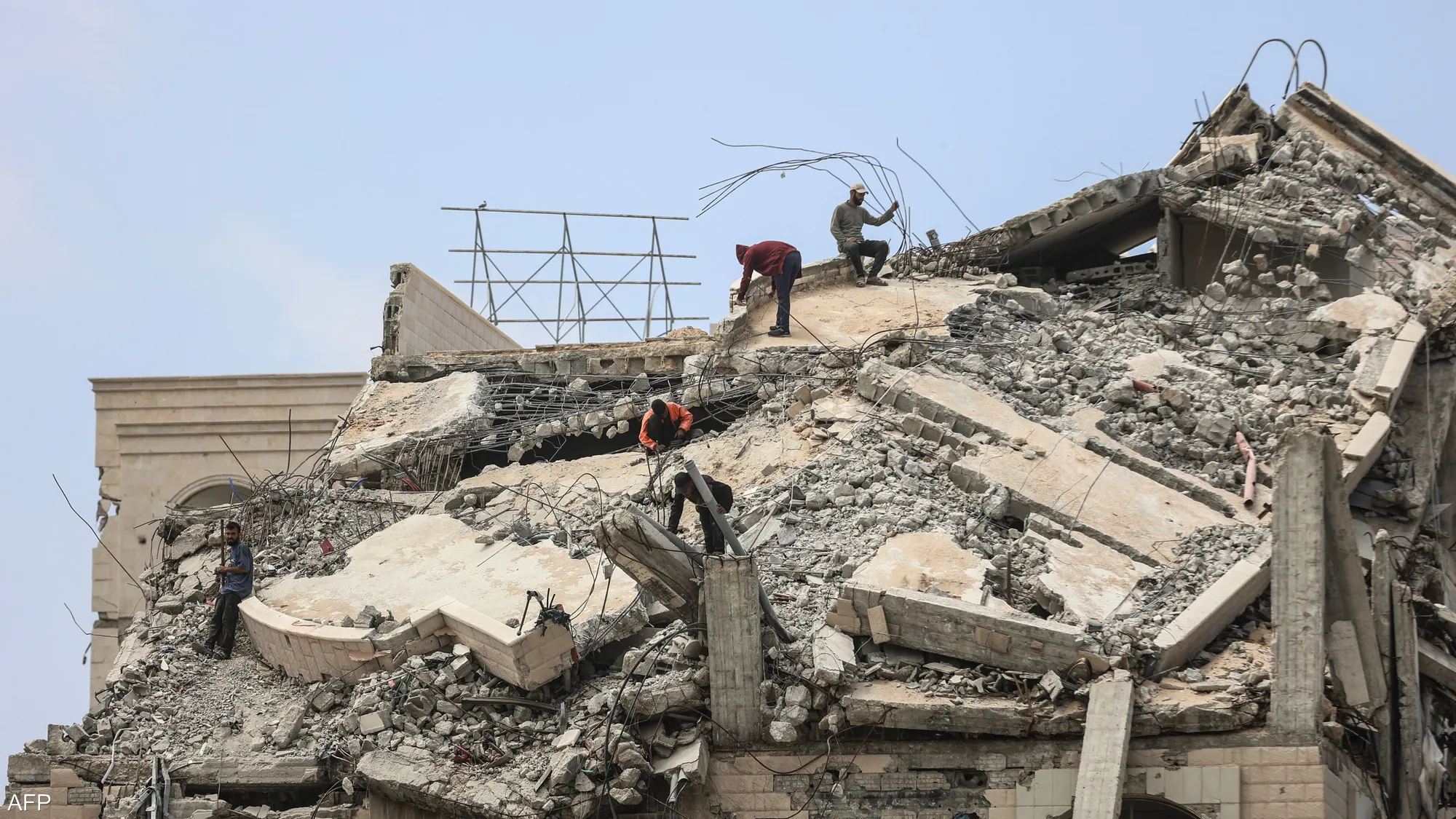
On the ground in Gaza, residents reported renewed tension and sporadic violence. According to the Palestinian News Agency, four Palestinians were killed on Tuesday in separate incidents involving Israeli shelling and gunfire in both the northern and southern parts of the territory. Witnesses in the northern town of Beit Lahia described hearing naval fire overnight, with one resident stating that "the sound of gunboats was constant and forced families indoors.”
Local health officials confirmed that a Palestinian woman was killed by Israeli naval fire west of Beit Lahia. Medical workers at a nearby clinic, speaking to Diplomat News Network, said emergency teams faced difficulties reaching affected areas due to ongoing security risks and damaged roads.
The Israeli military has not issued an immediate statement on the latest incidents but maintains that its operations target militant threats. Israeli officials have previously stated that security control remains necessary in parts of Gaza to prevent attacks.
According to Gaza’s Health Ministry, more than 760 Palestinians have been killed since the ceasefire began in October 2025. In contrast, the Israeli military reported that five of its soldiers were killed in the same period.
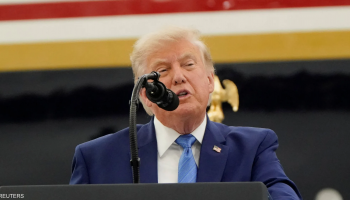
Hamas reiterated calls for Israel to halt military actions and allow increased humanitarian aid before advancing to the second phase of a proposed peace plan put forward by Donald Trump. A Hamas spokesperson said in a statement that "any progress toward a lasting agreement depends on full adherence to humanitarian commitments.”
The ceasefire, initially aimed at reducing hostilities and facilitating aid delivery, has faced repeated strain amid mutual accusations of violations. Analysts say the recent spike in violence underscores the fragility of the agreement and raises concerns about the sustainability of ongoing diplomatic efforts.
The developments highlight mounting challenges for mediators seeking to stabilize the situation, as continued incidents risk undermining confidence between the parties and delaying broader negotiations.