Kigali (Diplomat.so) – Rwanda's export sector recorded a significant shift in April 2026 as China emerged as one of the country's leading export destinations, with exports reaching US$47.74 million, narrowly behind the Democratic Republic of the Congo (DRC) at US$48.28 million, according to data released by the National Institute of Statistics of Rwanda (NISR).
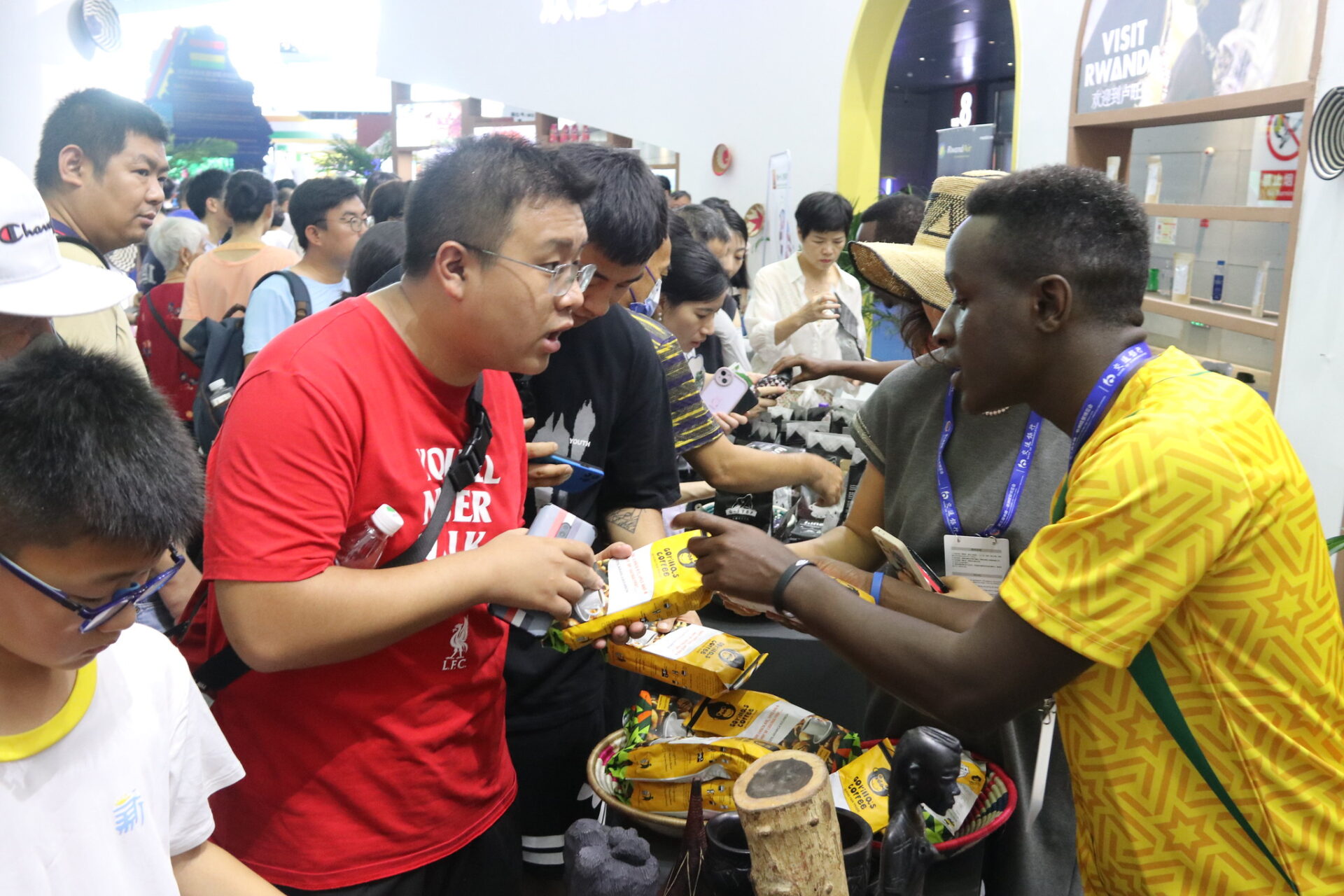
The figures highlight a rapid transformation in Rwanda’s trade landscape. China’s share of Rwanda’s exports has expanded sharply since Beijing granted 100 percent tariff-free access to products from Rwanda and other least-developed countries in December 2024. The policy has improved access for Rwandan goods including coffee, tea, chili, gemstones and mineral products entering one of the world’s largest consumer markets.
Rwanda earned US$165.86 million from exports in April 2026, compared with US$105.42 million during the same month a year earlier, representing growth of 57.3 percent. Trade officials said expanding market access and stronger regional demand have contributed to the increase.
"The preferential access arrangement has enhanced the competitiveness of Rwandan products in China and opened opportunities for exporters seeking diversification,” a trade official familiar with Rwanda’s export promotion strategy told Diplomat News Network.
The development comes as Rwanda’s mineral exports face heightened international scrutiny. A recent investigation by Global Witness alleged that large quantities of coltan originating from conflict-affected areas in eastern DRC have been smuggled into Rwanda and subsequently entered international supply chains. The report claimed that more than 2,000 tonnes of coltan from the Rubaya mining area, a region that produces an estimated 15 percent of the world’s tantalum supply, were transferred through illicit channels.
According to the investigation, armed groups operating in eastern DRC, including M23, have generated significant revenue from mineral taxation and trading activities in territories under their control. The report further alleged that some mineral exports entering Rwanda may have originated from conflict zones despite existing traceability and due diligence mechanisms designed to prevent conflict minerals from reaching global markets.
At the busy Gatuna border crossing between Rwanda and Uganda and along major commercial routes linking Kigali with eastern DRC, freight traffic remained steady this week, with trucks carrying consumer goods, agricultural products and industrial materials moving through regional supply corridors. Traders and logistics operators described growing commercial activity tied to both regional and international markets.
"The demand from eastern Congo remains strong, and exporters are also looking increasingly toward Asian markets,” said Samuel Habimana, a Kigali-based logistics consultant.
The changing export picture reflects two parallel developments: Rwanda’s growing role as a regional trade hub serving eastern DRC and expanding economic engagement with China. Analysts say the trend could reshape Rwanda’s trade priorities in coming years, although questions surrounding mineral sourcing, supply-chain transparency and regional security are likely to remain central issues for policymakers, investors and international trading partners.