Khartoum (Diplomat.so) – The Sudan Founding Alliance, backed by the paramilitary Rapid Support Forces (RSF), has accelerated the creation of parallel monetary institutions in Sudan, prompting economists and banking specialists to warn that the country's financial system faces increasing fragmentation amid the ongoing conflict that began in April 2023.
The alliance’s parallel administration established a "Transitional Currency Council” on 11 May 2026 and appointed former Central Bank of Sudan governor Hussein Yahya Jangoul as governor of a parallel central bank in Nyala on 21 May. The council says it is responsible for overseeing currency circulation, banking regulation, and monetary stabilization in territories under its control.
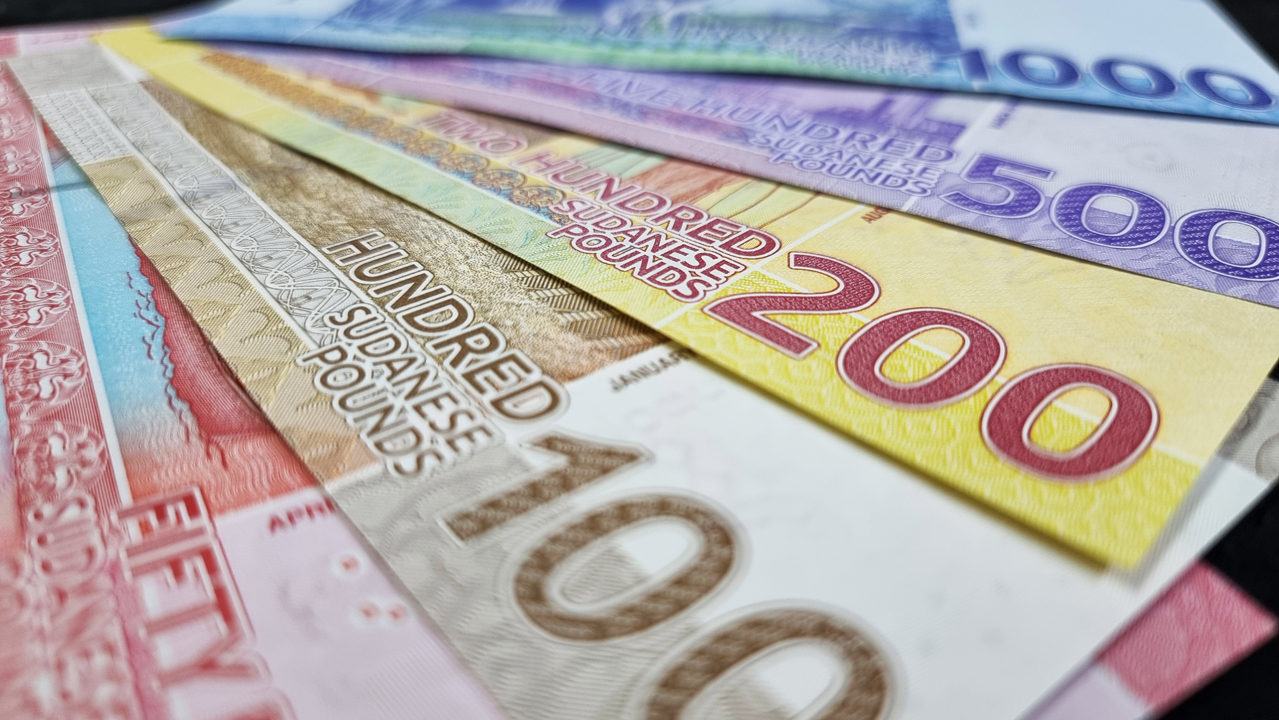
Reports from traders and residents in South Darfur indicate that 500- and 1,000-Sudanese-pound notes bearing Jangoul’s signature have appeared in local markets. In Nyala’s commercial districts, merchants reported increased circulation of the notes during routine transactions, with some businesses accepting them and others expressing uncertainty about their legal status.
"The central bank is the only institution authorized to issue currency and manage monetary policy,” economist Abdul-Khaliq Mahjoub said in public remarks cited by local observers. He warned that dividing this sovereign function could undermine confidence in the national economy and generate significant market instability.
Banking specialist Mohamed Mustafa echoed those concerns, arguing that currency circulating outside official oversight lacks broad domestic and regional recognition. "Different exchange rates could emerge between rival areas of control, complicating trade, transfers, and investment activity,” he said.
The Central Bank of Sudan has rejected the legitimacy of any currency issued or circulated outside the official banking system. Sudanese authorities previously implemented a currency replacement program and changed signatures on banknotes as part of efforts to control circulation and limit the use of withdrawn notes.
Economic analyst Abdulhafeez Nour warned that institutions operating in RSF-controlled territory could evolve into the foundation of a parallel banking structure. He argued that large-scale cash injections without corresponding economic production risk accelerating inflation and reducing purchasing power in already vulnerable communities.
Speaking to Diplomat News Network, a trader in western Sudan who identified himself as Bakheet Hussein described growing difficulties in conducting business across conflict lines. "Merchants are struggling with transfers, pricing, and deciding which payment methods will be accepted in different regions,” he said. "Many large transactions are increasingly being conducted in U.S. dollars because of uncertainty surrounding the Sudanese pound.”
The developments come as Sudan’s war continues to reshape state institutions and economic activity. Analysts say the emergence of competing monetary authorities could further complicate financial governance, deepen regional economic divisions, and increase pressure on households already facing inflation, disrupted banking services, and reduced access to formal financial networks.