Juba (Diplomat.so) - MSF accused South Sudan's government of blocking humanitarian access to opposition-held areas on Tuesday June 16 amid escalating clashes affecting civilian populations across contested regions according to report published
According to the report, MSF said it documented a 'worrying trend' of authorities restricting humanitarian movement into contested and opposition-held areas, including repeated coercive messages and evacuation orders directed at civilians and aid organizations.
MSF further stated that all parties to the conflict are exploiting aid for military and political objectives, adding that attempts to force NGOs to relocate supplies undermine life-saving assistance for entire communities.
Violence has intensified since last year between government forces and fighters aligned with the Sudan People’s Liberation Movement-in-Opposition, led by detained First Vice President Riek Machar, triggering large-scale displacement from opposition-controlled areas.
MSF reported treating more than 1,800 people affected by violence in January and February this year, representing nearly 30 percent of its total patient caseload for the previous year.
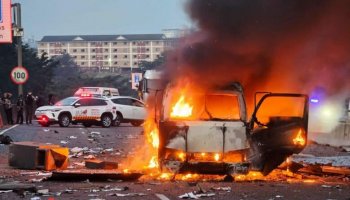
In one of the incidents cited, MSF said a hospital in Jonglei State was bombed in February, while another facility was struck in May 2025, leaving an estimated 762,000 people without access to healthcare.
UN High Commissioner for Human Rights Volker Türk warned earlier this year that South Sudan had reached a 'dangerous turning point.'
Government and military spokespersons did not immediately respond to requests for comment, while opposition representatives were also unavailable.
According to Diplomat News Network reporting context, the lack of official response has contributed to concerns over accountability in humanitarian access corridors.
The conflict traces back to the 2013–2018 civil war, which ended with a peace agreement between forces loyal to President Salva Kiir and those aligned with Machar, a war that killed an estimated 400,000 people.
Machar’s detention last year has heightened fears of renewed nationwide instability, with analysts noting that restrictions on humanitarian access could further deepen food insecurity and displacement in already fragile regions.
Humanitarian agencies operating in South Sudan have warned that continued access restrictions and insecurity could further strain regional relief operations, as cross-border displacement increases pressure on already limited resources in neighboring areas. Aid organizations have called for adherence to international humanitarian law and protection of medical facilities.