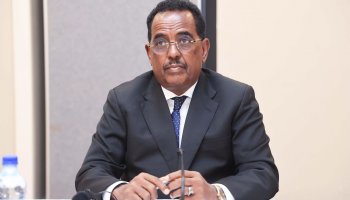
Khartoum (Diplomat.so) – Dr. Jibril Ibrahim, Sudan's Minister of Finance and Economic Planning, said on Thursday, 25 June, that the government is closely monitoring foreign exchange stability across national markets following recent fluctuations and policy interventions coordinated with the Central Bank of Sudan.
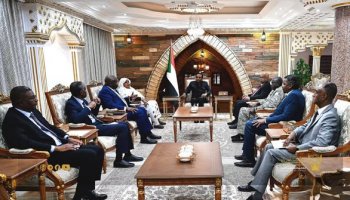
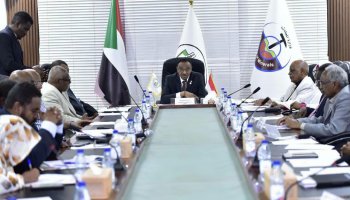
Speaking after a meeting of the economic sector within the Council of Ministers in Khartoum, Ibrahim said state measures introduced in coordination with monetary authorities had begun to show measurable effects in stabilizing currency trading.
He noted that exchange rates for foreign currencies had recorded a decline over the past two days, attributing the trend to tightened fiscal controls and regulatory actions. "The situation in the foreign exchange market is improving, and the steps taken by the state are starting to reflect on pricing behavior,” he said in remarks.
Ibrahim emphasized that the government is continuing efforts to stabilize essential commodity prices, including fuel and strategic imports, through combined fiscal and monetary coordination. He also urged citizens to rely on official information channels, warning against reacting to unverified reports that could trigger unnecessary market volatility. "We call on the public not to engage with rumours that may distort market expectations or create artificial pressure on prices,” he added.
In a separate administrative development, the Ministry of Production and Economic Resources launched the "Eisali” electronic payment and revenue collection system as part of a broader national strategy to digitize public financial management and improve transparency in government revenue flows.
Eng. Nour al-Din Daoud Musa, Director General of the ministry, said the system would be integrated across all departmental transactions to strengthen oversight and reduce revenue leakage. "We are committed to applying the electronic collection system in all financial operations to improve efficiency and ensure accountability,” he stated during the launch event, held at the ministry’s headquarters with participation from government officials and technical teams overseeing implementation.
A representative of the Central Unified Collection Agency in Sennar said the rollout follows federal directives mandating nationwide adoption of electronic payment platforms. The official explained that the system channels government revenues directly into the unified treasury account through banking institutions and digital applications, strengthening fiscal control mechanisms.
He added that the platform is designed to reduce manual cash handling, limit administrative discrepancies, and improve data accuracy in revenue reporting, calling on institutions to comply fully with implementation requirements.
The developments come amid wider efforts by Sudanese authorities to address currency volatility and improve fiscal governance through structural reforms and digital transformation initiatives.
Officials argue that linking monetary stabilization measures with electronic revenue systems could enhance state capacity to manage financial pressures and improve institutional transparency.
The combined policy direction reflects an attempt to reinforce confidence in economic management at a time of continued fiscal constraints, with authorities seeking to stabilize markets while modernizing revenue collection frameworks across federal and state institutions.