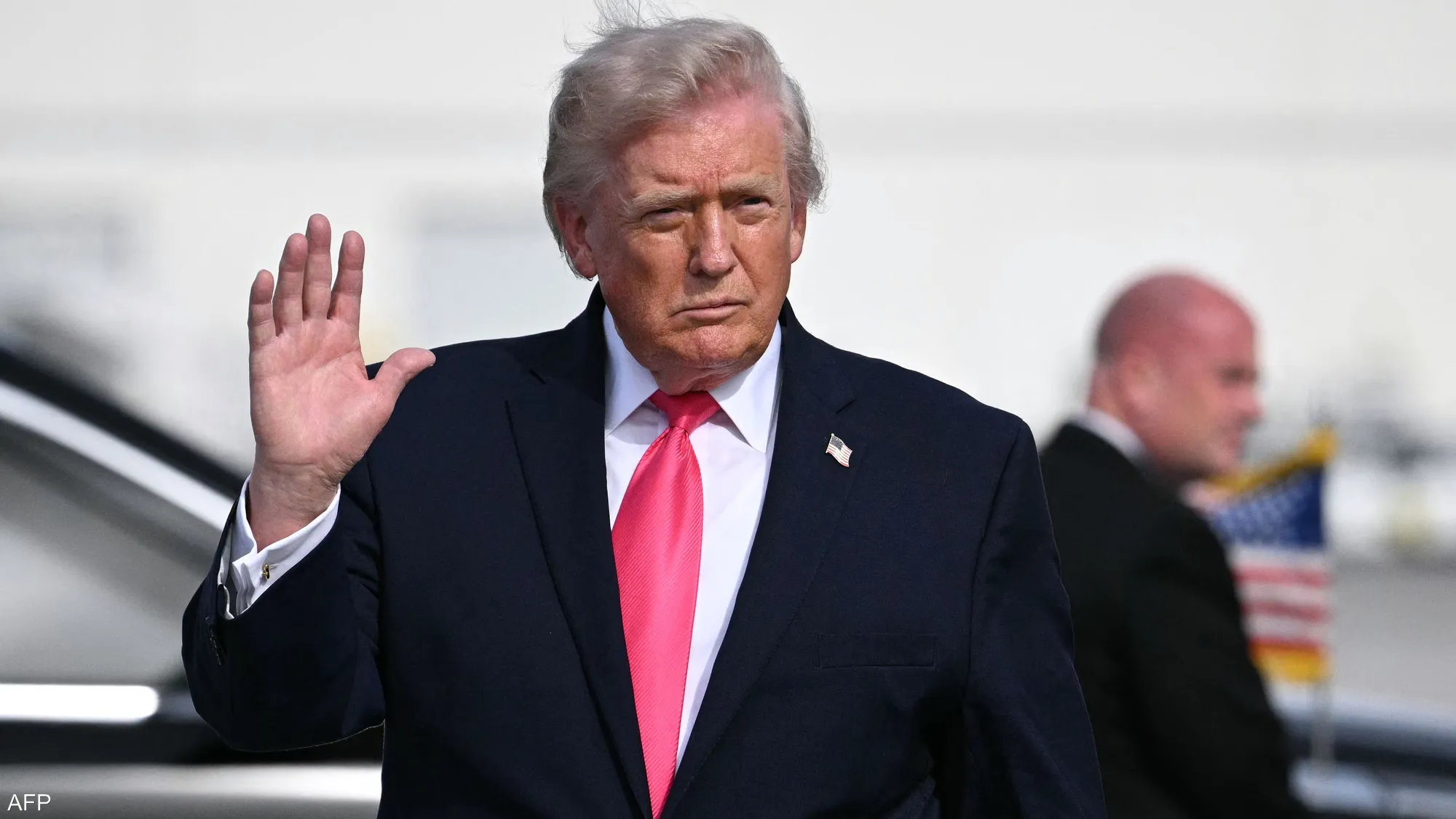
Washington, D.C. (Diplomat.so) - US President Donald Trump said Friday, from Washington that the United States will work with Iran to retrieve buried enriched uranium.
Trump outlines uranium recovery cooperation
Trump stated during a telephone interview with Reuters that the planned cooperation would involve technical operations to recover material he described as "buried enriched uranium" following previous strikes on Iranian nuclear facilities. He said, "We will start working with Iran at a calm pace, and we will begin digging using large machines, and we will bring it to the United States," according to his remarks.
The US president also rejected reports suggesting Washington was considering a $20 billion arrangement linked to Iranian nuclear material. "That is absolutely not true. There is no payment of any money," Trump said, emphasizing that any arrangement would not involve financial transfers.
Iran rejects transfer claims
Iranian officials firmly dismissed the possibility of transferring enriched uranium abroad. Ismail Baqai, spokesperson for Iran's Ministry of Foreign Affairs, said in comments broadcast on state television, "Iranian enriched uranium will not be transferred anywhere. Transferring uranium to the United States is not an option for us."
US officials estimate that approximately 400 kilograms of uranium enriched to up to 60 percent remains under Iranian control, though the claim has not been independently verified. Iranian authorities, however, maintain that their uranium enrichment activities are fully aligned with the needs of peaceful energy production.
Negotiation framework
According to reporting from Axios citing unnamed sources, US and Iranian negotiators are discussing a broader framework that could include the release of up to $20 billion in frozen Iranian assets in exchange for steps limiting Iran’s enriched uranium stockpile. The report indicated proposals include transferring portions of highly enriched uranium to third countries under international monitoring.
The Axios report also noted discussions on reducing enrichment levels of remaining stockpiles under supervision, alongside Iran’s push for reintegration into global financial systems. However, Iranian negotiators are reported to resist any full dismantling of their nuclear capabilities or reduction of regional political influence.
Regional diplomacy and strategic stakes
Trump suggested that diplomatic momentum is being supported by multiple intermediaries, including Pakistan and Gulf allies, while criticizing NATO’s role in regional security discussions. He said Iran had agreed not to close the Strait of Hormuz, a critical global oil shipping route, stating, "Iran has agreed it will never again use the Strait of Hormuz as a weapon against the world."
He also claimed that Iran has been cooperating in clearing naval mines from the Strait with assistance from US coordination efforts, while maintaining that American sanctions on Iranian ports would remain in place until a final agreement is reached.
Analysis of diplomatic implications
The evolving negotiations highlight persistent tensions over nuclear transparency, regional security, and economic sanctions relief. Analysts note that any agreement involving enriched uranium management would require robust verification mechanisms from international nuclear inspectors to prevent escalation risks.
Diplomatic observers emphasize that the Strait of Hormuz remains a strategic pressure point for global energy markets, and any shift in Iran’s posture could influence oil prices and shipping stability. Diplomatic sources, speaking to Diplomat News Network, describe the current phase as "fragile but active,” with multiple channels of communication remaining open despite unresolved disputes.
Outlook for continued negotiations
Trump indicated that most issues under discussion have been addressed and suggested that a final round of talks could take place in Islamabad, with potential for a signing ceremony if agreement terms are finalized. Iranian officials have not confirmed participation in any upcoming meeting schedule.
While both sides publicly maintain divergent positions on uranium transfer, diplomatic engagement continues through intermediaries. The coming weeks are expected to determine whether technical proposals can be converted into a formal agreement framework acceptable to both Washington and Tehran.