Geneva (Diplomat.so) – UN Women reported on Friday, that an average of 47 women and girls were killed daily in the Gaza war between October 2023 and December 2025.
Sophia Kaltorp, UN Women humanitarian affairs official, told journalists, in Geneva that women and girls accounted for a proportion of fatalities far higher than in previous conflicts in Gaza. "They were individuals with lives and dreams,” she said, emphasizing the human dimension behind the figures presented in the agency’s latest assessment.
UN Women data indicated that more than 38,000 women and girls were killed during the reporting period, while warning that fatalities may have continued even after a fragile ceasefire announced in October. The agency noted that the absence of comprehensive gender-disaggregated data continues to limit precise tracking of casualties in the post-ceasefire period.
The United Nations Children’s Fund (UNICEF) separately reported that at least 214 children were killed in Gaza over the past six months, with injuries continuing to rise at what it described as alarming levels.
The World Health Organization estimated that more than 500,000 women in Gaza remain without access to essential health services, including maternal and postnatal care and treatment for infectious diseases.
The report comes amid a fragile ceasefire that halted nearly two years of full-scale conflict. Despite the truce, Israeli forces continue to control large uninhabited areas that exceed half of Gaza’s territory, while Hamas administers a narrow coastal strip.
Medical workers and local health authorities report more than 750 Palestinian deaths since the ceasefire period began, while Israeli officials say four soldiers have been killed in the same period. Both sides continue to accuse each other of violations, contributing to instability across the enclave and complicating humanitarian operations and data verification efforts.
The findings highlight persistent challenges in civilian protection and humanitarian access in densely populated conflict zones.
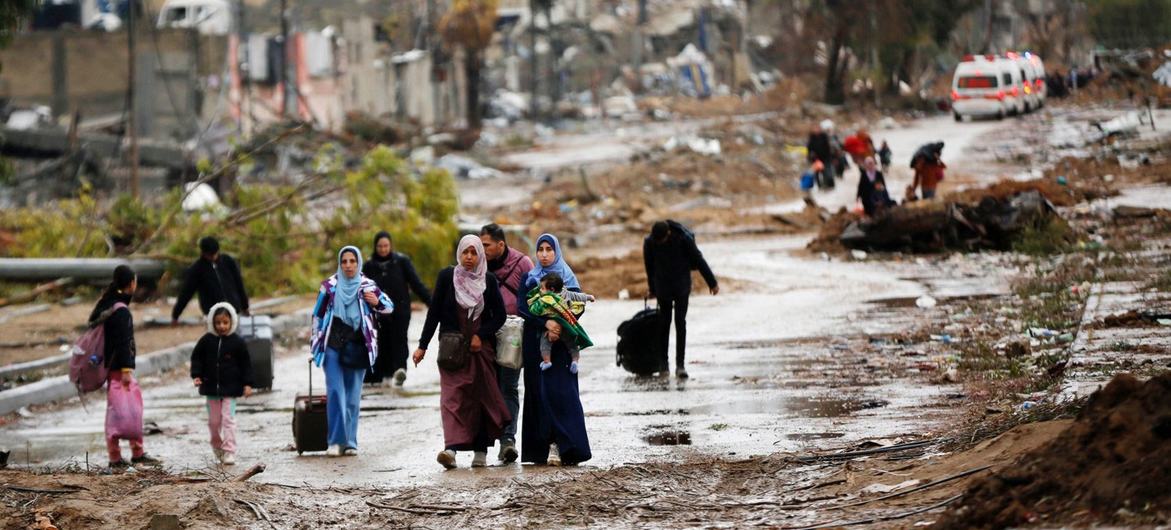
Approximately one million women and girls remain displaced, according to UN Women, many living in overcrowded shelters with limited access to clean water, healthcare, and sanitation. Aid agencies say damaged infrastructure has severely constrained the delivery of essential services, particularly for maternal health and child protection programs.
The scale of reported casualties underscores the difficulty of maintaining accurate monitoring systems during prolonged hostilities, especially when administrative and medical reporting structures are disrupted. International organizations continue to warn that the long-term social and demographic effects of the conflict may reshape Gaza’s civilian population for years to come.