Washington, D.C. (Diplomat.so) – US President Donald Trump welcomed Iran's announcement that the Strait of Hormuz has been reopened to commercial navigation on Friday, April 17, while stating that US maritime pressure on Tehran will remain in place until a broader political settlement is reached, as global attention turns to the strategic Gulf waterway.
Iran Declares Strait Reopened for Commercial Shipping
Iranian Foreign Minister Abbas Araghchi announced that the Strait of Hormuz is now "completely open” to commercial vessels under a ceasefire arrangement in the Middle East, signaling a shift in Tehran’s approach to the key global shipping route.
The declaration, reported through Iranian diplomatic channels and cited by regional media, suggested that vessels may resume transit through the waterway under coordinated navigation arrangements. Iranian officials indicated that commercial traffic would be permitted while military-related restrictions and security coordination measures remain in place.
Maritime observers in the Gulf reported cautious movement returning to sections of the strait, although shipping companies continue to assess security conditions, particularly concerning naval mine risks and inspection protocols.
A regional shipping operator, speaking to Diplomat News Network on condition of anonymity due to commercial sensitivity, said vessels remain cautious despite the announcement.
"There is renewed movement, but risk assessments have not changed overnight. Operators are waiting for clearer security guarantees before fully resuming normal routes,” the operator said.
US President Welcomes Opening
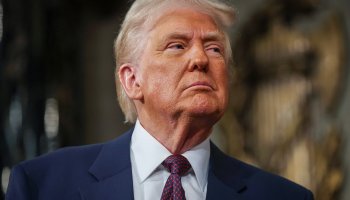
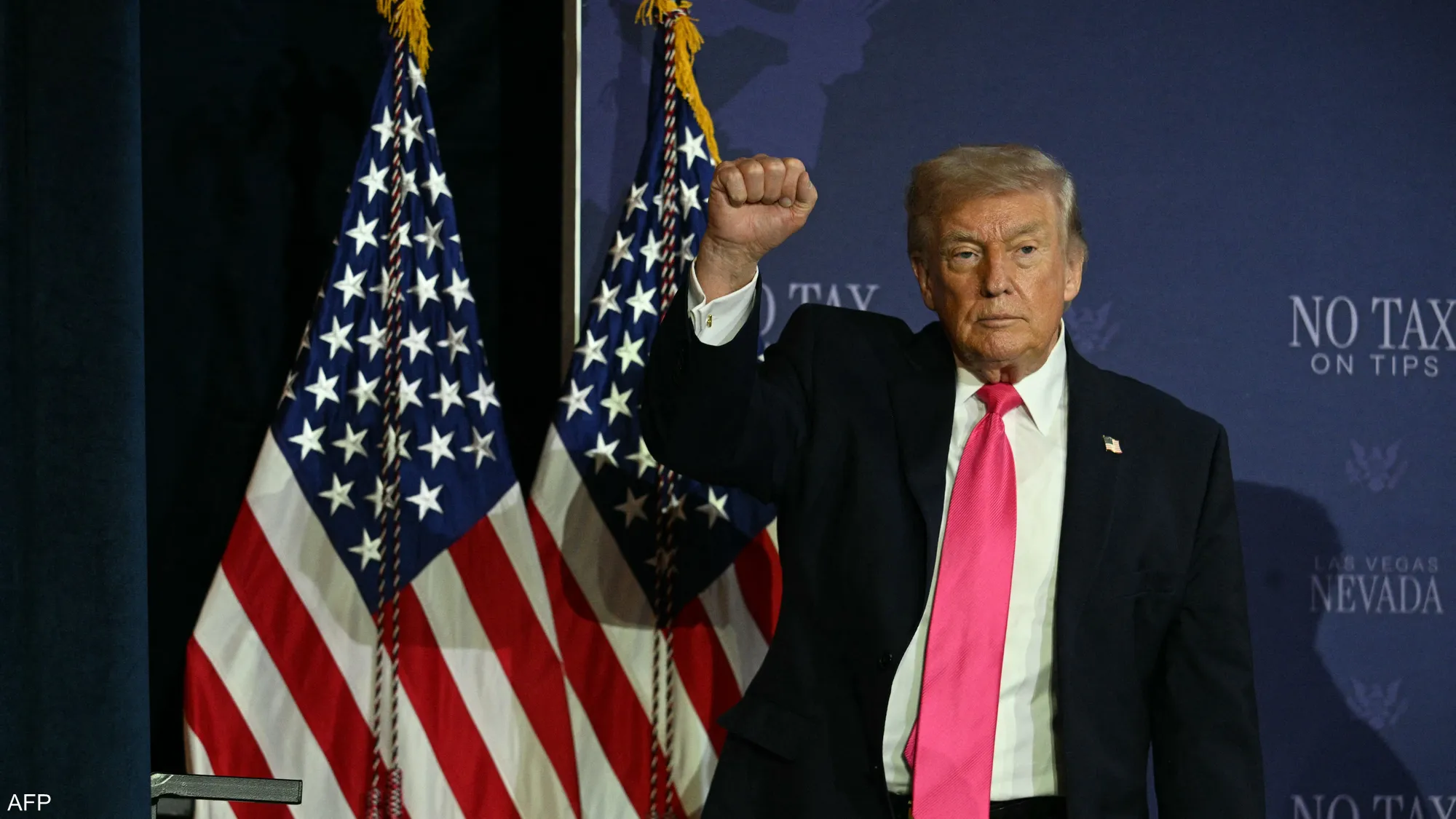
US President Donald Trump welcomed Iran’s move, describing it as a positive step toward restoring freedom of navigation in one of the world’s most critical maritime corridors.
"Strait of Hormuz is fully open and ready for business and full passage,” Trump wrote on Truth Social, while emphasizing that US measures targeting Iran will remain active until broader negotiations are completed.
He said Iran had agreed not to close the strait again or use it as a geopolitical tool, describing the development as part of a wider diplomatic process that has already advanced on several points.
A senior US administration official, speaking on condition of attribution, said the United States views the reopening as a "constructive signal,” but confirmed that maritime enforcement measures involving US forces remain unchanged.
"The operational posture remains in place. We continue to monitor compliance and security conditions in the region,” the official said.
The US Navy separately issued a security advisory noting that the risk of naval mines in parts of the strait remains uncertain and urging commercial vessels to exercise caution until further assessments are completed.
Shipping Conditions
Maritime traffic through the Strait of Hormuz showed early signs of resumption following Iran’s announcement, though movement remained uneven and highly controlled in some areas.
Ship tracking analysts and regional operators reported that vessels are being routed through specific corridors under heightened coordination procedures. Environmental conditions in the Gulf remained stable, but security protocols continue to influence transit decisions.
A port logistics worker in Oman, observing traffic near the maritime corridor, described increased monitoring activity.
"There are more patrol movements and communication checks than usual. Ships are visible again, but everything is slow and controlled,” the worker said.
International shipping firms have not yet issued a unified operational shift, with many waiting for formal clearance from insurers and maritime security bodies before restoring full-scale operations.
Strategic Importance of the Strait
The Strait of Hormuz is one of the world’s most critical energy chokepoints, with a significant share of global oil and liquefied natural gas shipments passing through the narrow passage between Iran and Oman.
Any disruption to the strait has historically triggered volatility in global energy markets, increased shipping insurance premiums, and rerouted commercial traffic through longer and more costly alternatives.
The latest developments follow weeks of heightened tensions in the Gulf region, where military activity and competing political declarations have repeatedly disrupted shipping confidence. Previous restrictions and intermittent closures had already reduced vessel traffic, according to maritime monitoring data cited by industry analysts.
Experts note that even partial reopening can significantly ease pressure on global supply chains, but full stabilization depends on sustained political agreement and verified security guarantees.
Analysis
Iran’s announcement and the US response reflect a coordinated but cautious shift toward de-escalation in a strategically sensitive maritime corridor. While the reopening has been welcomed by Washington, the continuation of US maritime pressure measures indicates that trust between the two sides remains incomplete and conditional.
The coexistence of reopening declarations and security warnings underscores a fragmented transition rather than a full normalization of maritime operations.
Energy market analysts expect short-term stabilization in oil prices if shipping flows continue without disruption, but warn that any renewed escalation or security incident could quickly reverse gains.
Diplomatic engagement is expected to continue in parallel with military monitoring operations, as regional actors attempt to balance commercial recovery with unresolved security and political disputes in the Gulf.