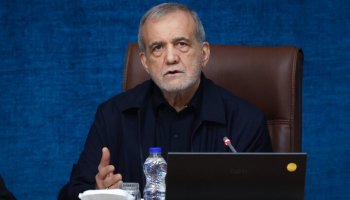
Tehran (Diplomat.so) - A senior Iranian official said on Thursday, April 16, that the visit of Pakistan's army chief to Tehran helped narrow differences in ongoing US–Iran discussions and increased prospects for a second round of negotiations.
The senior Iranian official, speaking to Reuters, said the engagement had "increased hopes after this visit for extending the ceasefire understanding and holding a second round of talks,” while noting that diplomatic momentum has slightly improved following recent regional contacts involving Pakistan as a facilitator.
The Iranian official noted that despite limited progress, fundamental disagreements remain unresolved over Iran’s nuclear program. The official said that "the fate of highly enriched uranium inside Iran and the duration of nuclear restrictions have not yet been settled,” underscoring persistent gaps in negotiating positions.
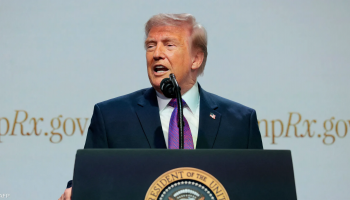
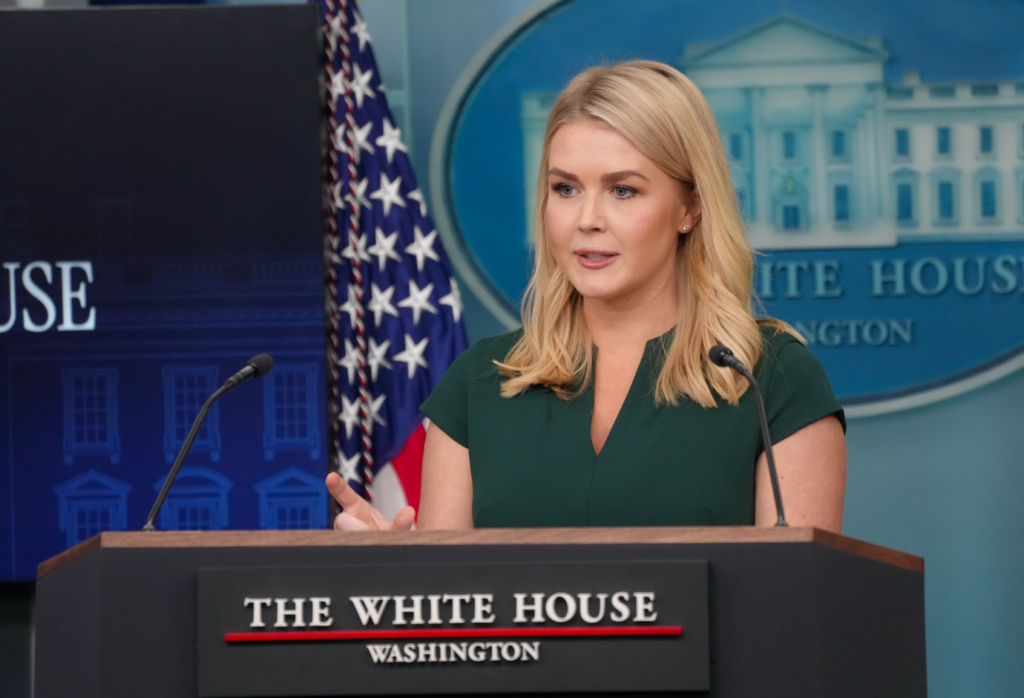
In Washington, White House Press Secretary Karoline Leavitt said the US administration remains optimistic about reaching an agreement that would prevent Iran from acquiring nuclear weapons. "We are optimistic about the prospects of reaching a deal,” Leavitt said on Thursday. "The President has clearly outlined his red lines in these negotiations, and it is in Iran’s interest to respond to our demands. We continue to monitor the progress of these talks,” she added.
Leavitt further stated that the issue remains part of a broader US strategic objective, saying Washington seeks to ensure that Iran does not obtain nuclear weapons capability, describing the situation as central to regional and international security concerns.
Separately, Pakistan’s Foreign Ministry spokesperson said earlier on the same day that no date has yet been finalized for a second round of US–Iran discussions. The spokesperson added that the nuclear issue remains among the key topics under discussion between the two sides, highlighting Islamabad’s continuing diplomatic engagement in facilitating communication channels.
Diplomatic observers note that Pakistan’s engagement comes amid renewed international attention on Iran’s nuclear program and efforts to manage tensions following years of stalled negotiations since the collapse of earlier nuclear frameworks. The broader context includes ongoing disputes over uranium enrichment levels, sanctions relief, and verification mechanisms.
The developments carry regional significance as Gulf security dynamics remain sensitive to any escalation involving Iran and Western powers. Analysts suggest that incremental diplomatic steps, including third-party facilitation, may help maintain dialogue momentum, though substantive gaps continue to challenge any near-term breakthrough.